



Fast, Reliable Emergency Water Heater Installation in Flossmoor
Unexpected loss of hot water or a leaking water heater can halt daily routines and create immediate risk to your home; fast, reliable emergency plumbing response minimizes damage and restores comfort. This article explains what qualifies as an emergency plumbing situation in Flossmoor, how rapid intervention limits water damage and mold, and what homeowners should expect during a water heater installation or replacement. You will learn how to recognize urgent water heater failure signs in Orland Park, compare tank, tankless, and heat pump options, and follow clear next steps for emergency repair versus scheduled replacement. The guide also outlines practical homeowner actions during a plumbing emergency and presents the service features that matter when choosing a local emergency plumbing provider. Throughout, targeted terms like emergency plumbing services Flossmoor, water heater installation Flossmoor, and tankless water heater installation Flossmoor are woven into clear, actionable guidance to help you act quickly and choose a qualified installer.
What Defines an Emergency Plumbing Service in Flossmoor?
An emergency plumbing service responds immediately to plumbing failures that threaten property, health, or safety by applying rapid containment, temporary or permanent repairs, and direct mitigation to prevent escalation. Emergency plumbing covers burst pipes, major leaks, sewer backups, and complete loss of hot water that endangers occupants or risks structural damage. The core benefit is time-sensitive intervention that limits water intrusion, reduces mold risk, and preserves building systems until full repairs or replacements are completed. Homeowners should expect 24/7 availability, faster response times than routine service, and technicians prepared to stabilize the situation on first arrival.
For homeowners in Flossmoor needing urgent help, R.C. Szabo Plumbing & Sewer provides local 24/7 emergency plumbing response with fast turnaround to stabilize water heater failures and major leaks. Contacting a local emergency provider quickly reduces repair scope and potential restoration costs by stopping active water intrusion. Keep your main water shutoff location known and call a qualified emergency plumber if you suspect structural flooding or gas-related issues.
Which Plumbing Issues Require Immediate Attention?
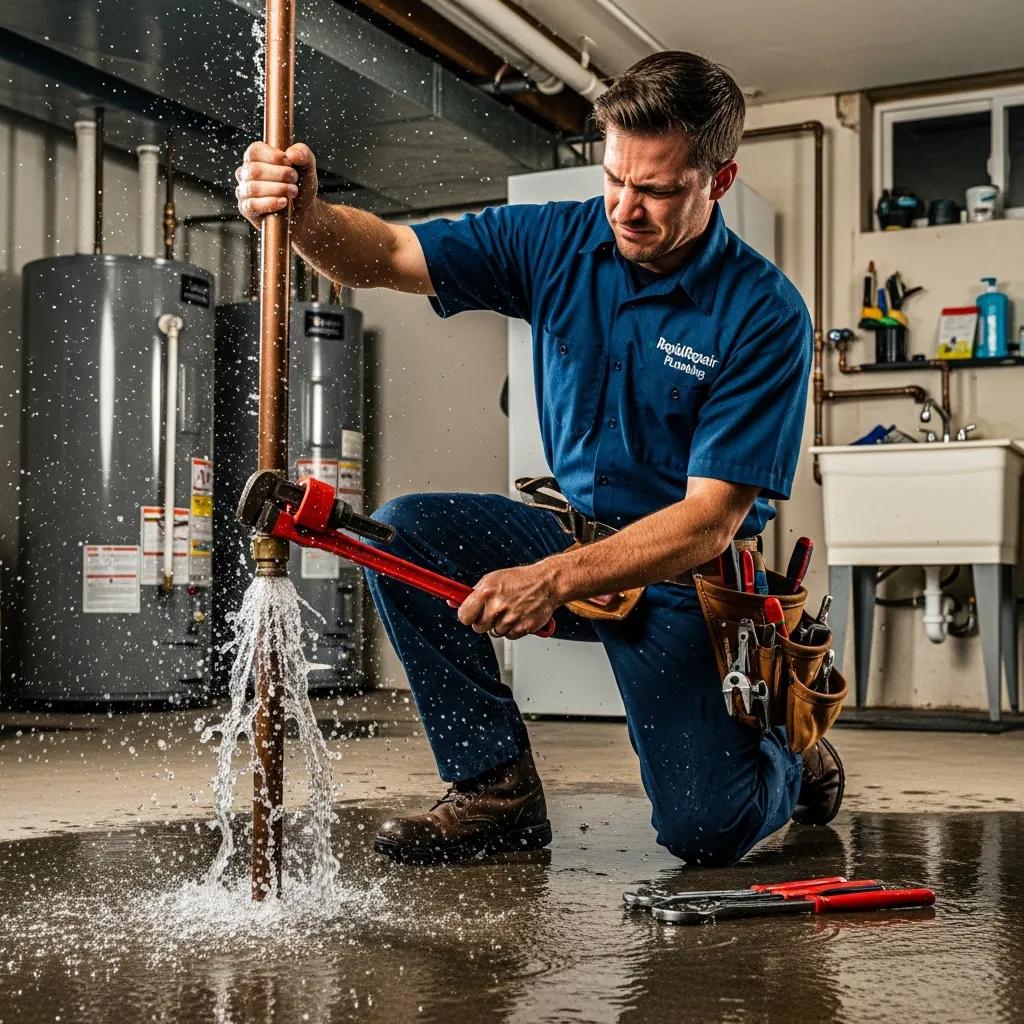
Certain plumbing failures require immediate action to prevent severe damage and hazards, and homeowners should follow simple safety steps until professional help arrives. If a pipe bursts or a water heater is actively leaking, shut off the main water supply if safe to do so, isolate electricity to affected appliances, and move valuables out of the wet area. For sewer backups, avoid using drains and toilets, seal off the affected area to prevent contamination spread, and call emergency services for containment. In cases of complete loss of hot water during freezing weather or suspected imminent heater rupture, evacuate the area if you notice strong odors or hissing and call a licensed emergency plumber.
- Burst Pipe: Shut off main water, remove people from flooded areas, call an emergency plumber.
- Active Heater Leak: Turn off power/gas to the heater if safe, contain water spread, call for immediate service.
- Sewer Backup: Avoid contact, close affected fixtures, and request emergency containment.
These immediate steps protect occupants and limit secondary damage while waiting for professional mitigation; next we examine how fast intervention prevents mold and structural issues.
How Does Emergency Plumbing Prevent Water Damage and Mold?
Rapid emergency plumbing reduces the volume and duration of water exposure, which directly lowers the likelihood of structural weakening and mold colonization by interrupting the moisture source. Technicians perform containment, temporary shutoffs or bypasses, and coordinate with water-removal or restoration services when required to dry affected assemblies quickly. Temporary fixes can include emergency patches, drain reroutes, and installation of isolation valves to prevent reoccurrence until a permanent replacement or full repair is scheduled. Acting within hours rather than days typically reduces restoration costs and limits the need for extensive demolition or mold remediation.
- Containment: Immediate sealing or isolation stops further migration of water.
- Mitigation: Quick coordination with drying services reduces mold growth windows.
- Stabilization: Temporary repairs prevent recurring leaks until full replacement.
Prompt emergency response therefore minimizes long-term repair needs and preserves homeowners’ options for repair versus replacement.
Why Choose R.C. Szabo Plumbing for Water Heater Installation in Flossmoor?
R.C. Szabo Plumbing & Sewer is a family-owned, local provider serving Flossmoor and nearby communities with a focus on hot water heater installations and 24/7 emergency response. Their service model emphasizes transparent flat-rate pricing with no hidden fees, a No Mess Guarantee, and a 100 percent satisfaction guarantee that reduces homeowner uncertainty during replacement decisions. Highly trained technicians offer quick estimating and the fastest turnaround times for installations and emergency hot water restoration, which matters when a failed heater disrupts daily living. Choosing a local, family-operated team provides accessible communication and a workforce prepared for both emergency stabilization and permanent water heater installation projects.
- Family-Owned Local Service: Local knowledge and community-focused care improve responsiveness.
- Transparent Flat-Rate Pricing: Clear estimates limit surprise costs and simplify decision-making.
- Guarantees and No Mess Promise: Strong post-service assurances protect homeowner interests.
These service features combine to deliver reliable installations and emergency repairs while reducing stress for homeowners; the next subsection details the practical benefits of round-the-clock availability.
What Are the Benefits of 24/7 Availability and Rapid Response?
Around-the-clock emergency availability drastically reduces the time water remains unchecked, decreasing the chance of structural damage, electrical hazards, or mold growth that result from prolonged exposure. Rapid-response technicians can supply temporary fixes or complete replacements after hours, restoring hot water and preventing weekend or holiday interruptions that otherwise amplify repair costs. Homeowners gain peace of mind knowing certified technicians are reachable at any hour and can prioritize safety actions such as shutoffs or isolation before full repairs occur. Faster arrival and on-site diagnosis also accelerate claim documentation if homeowners file insurance for water damage.
- Reduced property damage and lower restoration costs through quicker containment.
- Faster restoration of hot water and daily routines with emergency installation options.
- Access to certified technicians and documented assessments for insurance purposes.
These advantages show why 24/7 service is a high-value feature when selecting an emergency plumbing provider.
How Does Transparent Pricing and Satisfaction Guarantee Build Trust?
Transparent flat-rate pricing and a documented satisfaction guarantee reduce buyer anxiety by clarifying scope, cost, and expected outcomes before any work begins, which is especially important during emergency situations. A clear estimating process—rapid assessment, written flat-rate quote, and explanation of what the quote covers—lets homeowners compare options and authorize work confidently. Guarantees like a No Mess Promise and a 100 percent satisfaction commitment create accountability for both installation quality and site cleanup. When combined, these practices promote trust and simplify post-service follow-up if adjustments are needed.
- Flat-rate estimates prevent surprise charges and promote fair comparison.
- Satisfaction and No Mess guarantees protect homeowner investment and property condition.
- Clear documentation reduces disputes and speeds final sign-off after installation.
These trust signals complement technical competence and help homeowners move from emergency response to long-term reliability.
What Types of Water Heaters Are Installed by Emergency Plumbers in Flossmoor?
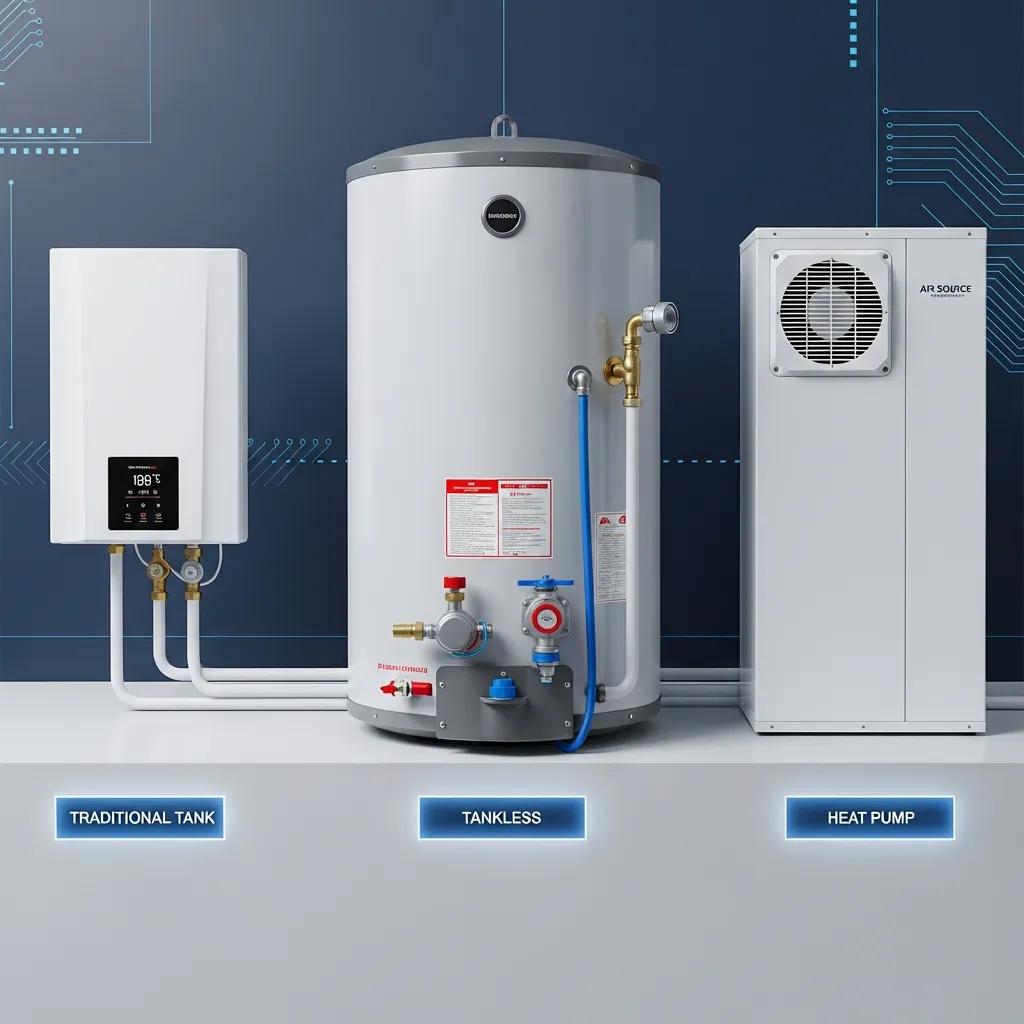
Emergency plumbers install a range of systems to meet household needs: traditional storage tanks, tankless on-demand units, and energy-efficient heat pump water heaters, each chosen based on space, demand, and budget considerations. The key mechanism distinguishing them is how heat is generated and stored—tanks maintain a reservoir of hot water, tankless units heat on-demand through a heat exchanger, and heat pumps transfer ambient heat to water for higher efficiency. Proper selection balances upfront cost, operating efficiency, and expected lifespan to deliver reliable hot water while aligning with modern energy goals. Installers check site constraints, fuel availability, and homeowner priorities to recommend the most suitable option.
Before the comparison table, here’s a quick comparison summary in list form:
- Traditional Tank: Lower upfront cost, simple installation, standby heat loss.
- Tankless (On-Demand): Higher installation cost, greater efficiency, compact footprint.
- Heat Pump: Best energy efficiency in suitable climates and spaces, higher upfront cost.
This overview leads into a compact comparison table that clarifies efficiency, cost range, lifespan, and best-fit applications for each type.
| Water Heater Type | Efficiency | Typical Cost Range | Lifespan | Best For |
|---|---|---|---|---|
| Traditional Tank | Moderate (standby loss) | $500–$1,500 | 8–12 years | Homes with lower upfront budget |
| Tankless (On-demand) | High (no standby loss) | $1,000–$3,000 | 15–20 years | Space-limited homes, high-efficiency goals |
| Heat Pump Water Heater | Very high (20–50% energy savings) | $1,200–$3,500 | 10–15 years | Energy-conscious homeowners with space for unit |
This comparison highlights trade-offs so homeowners can prioritize efficiency, budget, or footprint when choosing a replacement.
R.C. Szabo’s technicians are experienced installing tankless, traditional, and heat pump systems and can assess local rebate or efficiency trends to recommend the right fit while ensuring rapid emergency replacement when needed. For installations that also aim to improve long-term energy use, professional assessment of space and system compatibility is essential.
How Do Tankless and Traditional Water Heaters Compare?
Tankless heaters heat water on-demand using a heat exchanger, eliminating standby losses and providing continuous hot water for properly sized units, while traditional tanks store hot water ready for immediate use but incur standby heat loss. The mechanism results in tankless units offering higher operational efficiency and a smaller footprint, yet they demand higher initial installation costs and sometimes upgraded fuel or electrical capacity. Traditional tanks are simpler to install and repair, with lower upfront expense but shorter average lifespan and greater energy loss over time. Homeowners should weigh usage patterns—continuous high-demand households may require larger tankless units or parallel systems for consistent flow.
- Efficiency: Tankless reduces wasted heat, tank systems lose heat during standby.
- Cost: Tankless has higher install costs but lower operating costs long-term.
- Maintenance: Both require periodic maintenance; tankless needs descaling in hard-water areas.
Choosing between them depends on budget, flow demands, and space constraints—a professional site assessment clarifies the optimal choice.
What Are the Advantages of Energy-Efficient Heat Pump Water Heaters?
Heat pump water heaters move heat from surrounding air into water rather than generating heat directly, delivering significantly higher efficiency and potential energy savings in appropriate climates and locations. The mechanism yields industry-cited efficiency improvements—often in the 20–50% range compared with conventional electric resistance heating—making heat pumps attractive where operating cost reduction is a priority. Considerations include required space for the unit and ventilated installation area, higher upfront cost, and eligibility for energy incentives or rebates that can improve payback. When installed and sized correctly, heat pump water heaters lower household energy consumption and fit well in energy-efficiency upgrade plans.
- Energy savings potential drives long-term operational cost reductions.
- Proper siting and professional installation are essential for optimal performance.
- Incentives and rebates may improve upfront payback and overall value.
Given these advantages, homeowners wanting to reduce energy bills should evaluate heat pump options with a licensed installer.
How to Recognize Signs You Need Water Heater Repair or Replacement in Orland Park?
Recognizing failure signs early lets homeowners decide between repair and replacement before leaks or ruptures become emergencies; common symptoms include unusual noises, inconsistent temperatures, discolored water, or visible leaks. The reason these signs matter is that they map to underlying issues—sediment buildup, corroded tanks, failed heating elements, or malfunctioning valves—that progressively worsen if left untreated. Early diagnostic steps include visual inspection for rust or pooling, listening for rumbling sounds during heating cycles, and noting age or service history. Knowing severity cues helps determine whether immediate emergency service is warranted or whether scheduling a replacement is sufficient.
| Symptom | Likely Cause | Recommended Action |
|---|---|---|
| Rumbling or popping noises | Sediment buildup | Schedule prompt flush/repair; if severe, consider replacement |
| Rust-colored or discolored water | Corrosion inside tank | Test water and consult plumber; replacement often recommended |
| Visible leaks or pooling | Tank rupture or failed connections | Call emergency plumber immediately |
| Inconsistent hot water | Faulty thermostat or heating element | Troubleshoot and schedule repair; emergency only if total loss |
This mapping helps prioritize homeowner actions from routine maintenance to emergency intervention and clarifies when professional diagnostics are needed.
What Common Problems Indicate Water Heater Failure?
Several mechanical and performance symptoms reliably indicate advancing water heater failure, with causes ranging from sediment accumulation to corrosion and component wear. Loud rumbling typically signals long-term sediment buildup that reduces heating efficiency and can accelerate tank damage; fluctuating temperatures often point to thermostat or element failure. Rust-colored water suggests internal corrosion that compromises tank integrity and water quality, while visible leaks indicate compromised seals or tank rupture that require immediate attention. Homeowners should periodically inspect around the tank for moisture, check pressure relief valve operation, and track the unit’s performance to catch issues early.
- Strange noises: Often sediment—schedule flushing or service.
- Discolored water: Possible corrosion—seek professional inspection.
- Visible leaks: Sign of urgent failure—call emergency service immediately.
Regular maintenance and attention to these symptoms extend equipment life and prevent emergency scenarios.
When Should You Call an Emergency Plumber for Water Heater Issues?
Call an emergency plumber immediately if you observe active leaks, significant pooling, hissing or unusual smells indicating possible failure, or if a heater shows signs of imminent rupture, since these conditions pose immediate property and safety risks. Loss of hot water during freezing weather or a complete system failure that affects essential domestic functions can also be treated as high priority to avoid secondary damage or health risks. For non-urgent performance issues—intermittent temperature swings or reduced capacity—schedule a prompt service visit but reserve emergency calls for active leaks, contamination, or safety hazards. When in doubt, shut off water and power to the appliance and request emergency assessment.
- Active leak/flooding: Call emergency plumber now.
- Suspected tank rupture or gas odor: Evacuate and request immediate emergency service.
- Minor performance decline: Book a scheduled repair promptly.
If you need emergency assistance or a fast installation estimate, contact R.C. Szabo Plumbing & Sewer at 708-601-2347 to discuss 24/7 emergency response and installation options.