


Expert Water Heater Installation: Types, Costs & Guidance
Water heater installation is a crucial aspect of home comfort, ensuring that you have access to hot water for daily needs such as bathing, cooking, and cleaning. This comprehensive guide will explore the various types of water heaters available for residential installation, the costs associated with their installation, and the importance of professional services. Many homeowners face challenges when selecting the right water heater, understanding installation processes, and maintaining their systems effectively. This article aims to provide valuable insights into these topics, helping you make informed decisions about your water heater needs. We will cover the main types of water heaters, the installation process for gas water heaters, factors influencing installation costs, the importance of professional installation, maintenance tips, and guidance on repair versus replacement decisions.
What Are the Main Types of Water Heaters for Residential Installation?
When considering water heater installation, it’s essential to understand the different types available. The main types of water heaters include tank water heaters, tankless water heaters, electric water heaters, gas water heaters, and heat pump water heaters. Each type has its unique features, benefits, and considerations that can significantly impact your home’s energy efficiency and hot water availability.
How Do Tankless Water Heaters Offer Energy Efficiency and Endless Hot Water?
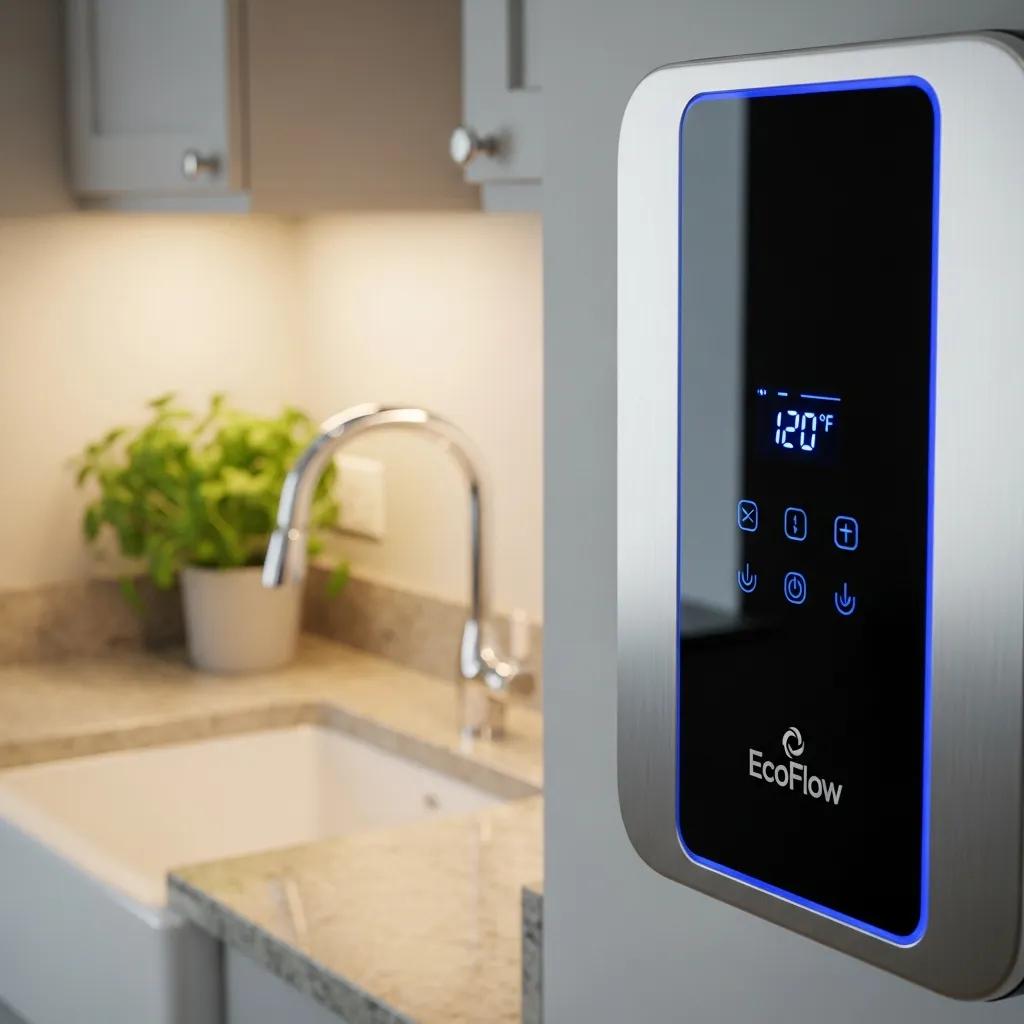
Tankless water heaters, also known as on-demand water heaters, provide hot water only when needed, eliminating the need for a storage tank. This design allows for energy savings, as they do not incur standby heat loss associated with traditional tank systems. Additionally, tankless models can deliver a continuous supply of hot water, making them ideal for larger households or homes with high hot water demands. Their compact size also allows for flexible installation options, further enhancing their appeal.
What Are the Benefits and Considerations of Electric Water Heater Installation?
Electric water heaters are popular for their ease of installation and lower upfront costs compared to gas models. They are generally more straightforward to maintain and can be installed in various locations within the home. However, electric water heaters may have higher operational costs, depending on local electricity rates. Homeowners should consider their hot water usage patterns and energy costs when deciding on an electric water heater installation.
How Does Gas Water Heater Replacement Work and What Safety Guidelines Should Homeowners Follow?
Replacing a gas water heater involves several critical steps to ensure safety and compliance with local regulations. Homeowners must first disconnect the existing unit, which includes shutting off the gas supply and draining the tank. Proper ventilation is essential during installation to prevent gas buildup and ensure safe operation. Following local plumbing codes and safety regulations is crucial to avoid potential hazards.
What Are Local Regulations and Permit Requirements for Gas Water Heater Installation?
Local regulations often require permits for gas water heater installations to ensure compliance with safety standards. Homeowners should check with their local building department to understand the specific requirements in their area. This may include inspections and adherence to specific installation codes that govern gas line connections and venting systems.
When Is Gas Water Heater Replacement Necessary Compared to Repair?
Determining whether to replace or repair a gas water heater depends on several factors, including the age of the unit, the extent of the damage, and the cost of repairs. If the water heater is over 8-12 years old and experiencing frequent issues, replacement may be the more cost-effective option. Homeowners should consult with a professional to assess the condition of their unit and make an informed decision.
What Factors Influence Water Heater Installation Cost for Your Home?
The cost of water heater installation can vary significantly based on several factors, including the type and size of the water heater, labor costs, and any additional fees associated with permits or disposal of the old unit. Understanding these factors can help homeowners budget effectively for their installation project.
How Do Water Heater Type and Size Affect Installation Pricing?
Different types of water heaters come with varying price points. For instance, tankless water heaters typically have a higher upfront cost compared to traditional tank models. Additionally, the size of the unit can impact installation costs, as larger units may require more extensive plumbing and electrical work. Homeowners should consider both the initial purchase price and the long-term operational costs when selecting a water heater.
What Additional Costs Should Homeowners Expect, Including Permits and Disposal Fees?
In addition to the purchase price of the water heater, homeowners should budget for additional costs such as permits, which may be required for installation, and disposal fees for the old unit. These costs can add up, so it’s essential to factor them into the overall budget for the project. Homeowners should also inquire about any potential hidden costs that may arise during installation.
Why Is Professional Water Heater Installation Crucial for Home Safety and Warranty Compliance?
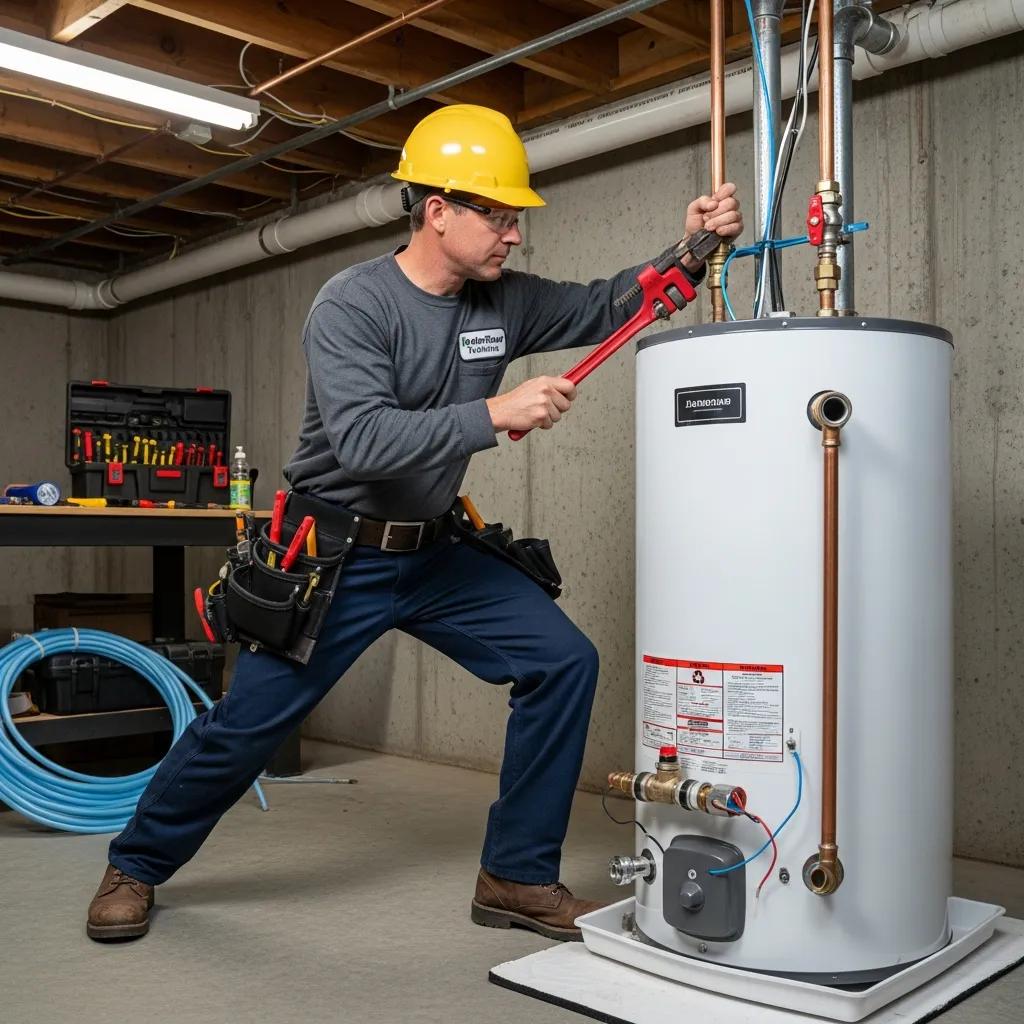
Professional installation of water heaters is vital for ensuring safety and compliance with local building codes. Licensed plumbers have the expertise to install water heaters correctly, minimizing the risk of leaks, gas leaks, and other hazards. Additionally, many manufacturers require professional installation to maintain warranty coverage, making it essential for homeowners to hire qualified professionals.
The relationship between plumbers and consumers in the decision-making process for water heater selection and installation has been a subject of economic study.
Plumber’s Role in Water Heater Choice & Installation
In the case of water heaters, the plumber advising a consumer on their choice of water heater will most likely also install the appliance. Because of the information asymmetry there is potentially a strategic element in the transmission of information from expert to consumer. This paper reports on an econometric investigation of the factors that determine the choices made by consumers and the recommendations made by plumbers and the extent to which plumbers act in the best interests of their customers.
Consumers and experts: an econometric analysis of the demand for water heaters, R Bartels, 2006
How Does Licensed Plumbing Expertise Ensure Code Compliance and Reliable Performance?
Licensed plumbers are trained to understand local plumbing codes and regulations, ensuring that installations meet safety standards. Their expertise helps prevent common installation mistakes that could lead to costly repairs or safety issues down the line. By hiring a licensed professional, homeowners can have peace of mind knowing that their water heater is installed correctly and safely.
What Are the Risks of DIY Installation and How Does Professional Service Protect Your Home?
While some homeowners may consider DIY installation to save costs, this approach can lead to significant risks. Improper installation can result in leaks, gas leaks, and even fire hazards. Professional services not only ensure safe installation but also provide warranties and ongoing support, protecting homeowners from potential issues that may arise from DIY efforts.
How Can Homeowners Maintain Their Water Heaters to Extend Lifespan and Efficiency?
Regular maintenance is essential for extending the lifespan and efficiency of water heaters. Homeowners should perform routine checks and maintenance tasks to ensure their systems operate optimally. This includes flushing the tank, inspecting the anode rod, and checking for leaks.
What Are Essential Maintenance Tasks Like Flushing and Anode Rod Inspection?
Flushing the water heater tank at least once a year helps remove sediment buildup, which can affect efficiency and lead to corrosion. Additionally, inspecting the anode rod, which prevents tank corrosion, is crucial for maintaining the unit’s longevity. Replacing the anode rod when necessary can significantly extend the life of the water heater.
How Does Regular Maintenance Impact Energy Efficiency and Repair Needs?
Regular maintenance not only improves the efficiency of water heaters but also reduces the likelihood of unexpected repairs. A well-maintained system operates more efficiently, leading to lower energy bills and a reduced risk of breakdowns. Homeowners who prioritize maintenance can enjoy consistent hot water availability and peace of mind.
How Do Home Water Heater Services Address Repair Versus Replacement Decisions?
When faced with issues related to their water heater, homeowners often grapple with the decision to repair or replace the unit. Understanding the signs that indicate a need for replacement can help guide this decision.
What Signs Indicate It’s Time to Replace Rather Than Repair Your Water Heater?
Several signs may indicate that a water heater needs replacement rather than repair. These include persistent leaks, inconsistent water temperature, and unusual noises coming from the unit. If the water heater is over 8-12 years old and experiencing these issues, replacement is often the more cost-effective solution.
How Do Professional Assessments Guide Homeowners in Making Cost-Effective Choices?
Professional assessments can provide homeowners with valuable insights into the condition of their water heater. Licensed plumbers can evaluate the unit’s performance, identify potential issues, and recommend whether repair or replacement is the best course of action. This guidance can help homeowners make informed decisions that align with their budget and long-term needs.
| Water Heater Type | Average Cost | Installation Complexity |
|---|---|---|
| Tank Water Heater | $300 – $1,500 | Moderate |
| Tankless Water Heater | $1,000 – $3,000 | High |
| Electric Water Heater | $400 – $1,200 | Low |
| Gas Water Heater | $500 – $1,800 | Moderate |
| Heat Pump Water Heater | $1,200 – $3,500 | High |
This table illustrates the average costs and installation complexities associated with different types of water heaters, helping homeowners understand their options better.
Homeowners should consider these factors when planning for water heater installation, ensuring they choose the right type for their needs and budget. By understanding the costs and complexities involved, they can make informed decisions that enhance their home’s comfort and efficiency.