
Spring Plumbing Checklist for South Chicagoland Homeowners: Essential Inspections Before Warm Weather Arrives
As the winter chill fades and spring approaches, homeowners in South Chicagoland must prioritize plumbing maintenance to ensure their systems are ready for the warmer months. This comprehensive checklist will guide you through essential inspections and maintenance tasks that can prevent costly repairs and enhance the efficiency of your plumbing system. By understanding the importance of spring plumbing maintenance, you can avoid potential issues that arise from seasonal changes, such as leaks and clogs. This article will cover the critical components to inspect, the benefits of timely inspections, and practical tips for effective DIY checks.
Why Is Spring Plumbing Maintenance Crucial for South Chicagoland Homes?
Spring plumbing maintenance is vital for homeowners in South Chicagoland to prevent water damage and costly repairs. As temperatures rise, the risk of plumbing issues increases, particularly from the thawing of frozen pipes and the onset of spring rains. Regular inspections help identify potential problems early, allowing for timely repairs that can enhance the efficiency and lifespan of plumbing systems. By prioritizing maintenance, homeowners can ensure their plumbing operates smoothly throughout the warmer months.
RC Szabo Plumbing emphasizes the importance of seasonal plumbing checkups, offering tailored services to address the unique needs of South Chicagoland homeowners. Their expertise in plumbing repairs and inspections ensures that your home is well-prepared for the spring season.
How Does Seasonal Change Affect Plumbing Systems?
Seasonal changes significantly impact plumbing systems, particularly in regions like South Chicagoland where winters can be harsh. During winter, pipes can freeze, leading to potential cracks and leaks when they thaw. As temperatures rise in spring, the risk of these issues becoming apparent increases, making it essential to conduct thorough inspections. Additionally, spring rains can exacerbate existing plumbing problems, such as leaks or drainage issues, if not addressed promptly.
Regular seasonal inspections are crucial for maintaining the integrity of plumbing systems. Homeowners should be vigilant about checking for signs of wear and tear, ensuring that their plumbing remains functional and efficient.
What Are the Benefits of Timely Spring Plumbing Inspections?
Timely spring plumbing inspections offer several key benefits that can save homeowners money and stress in the long run. These benefits include:
- Early Detection of Issues: Regular inspections help identify potential problems before they escalate into costly repairs.
- Cost Savings: By addressing minor issues early, homeowners can avoid major plumbing emergencies that require expensive repairs.
- Enhanced Efficiency: Inspections ensure that plumbing systems operate at peak efficiency, reducing water waste and lowering utility bills.
| Benefit | Description | Impact Level |
|---|---|---|
| Early Detection | Identifies issues before they escalate | High |
| Cost Savings | Prevents major repairs and emergencies | High |
| Enhanced Efficiency | Reduces water waste and lowers bills | Medium |
These benefits highlight the importance of scheduling regular plumbing inspections, particularly in the spring when systems are most vulnerable.
Which Plumbing System Components Should Homeowners Inspect in Spring?
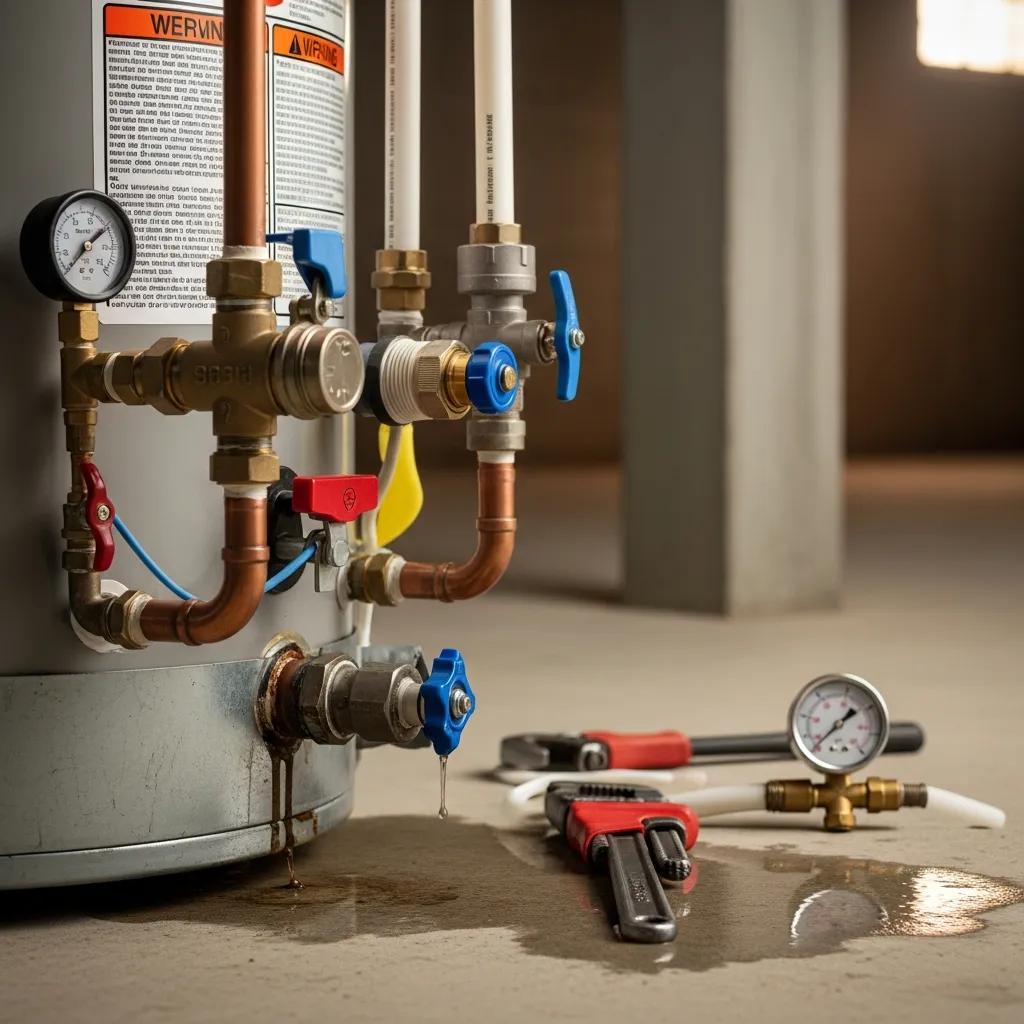
Homeowners should focus on several key components during their spring plumbing inspections to ensure everything is functioning correctly. Important areas to check include:
- Pipes and Fixtures: Look for leaks around faucets, toilets, and under sinks.
- Sump Pumps: Ensure that sump pumps are functioning properly to prevent flooding during heavy rains.
- Outdoor Plumbing: Inspect hoses, irrigation systems, and outdoor faucets for any signs of damage or leaks.
By systematically checking these components, homeowners can identify and address issues before they lead to more significant problems.
What Are the Key Areas to Check: Pipes, Valves, and Water Heaters?
When inspecting plumbing systems, several critical areas require attention:
- Pipes: Check for leaks, corrosion, and signs of wear. Pay special attention to areas that may have been affected by freezing temperatures.
- Valves: Ensure that all shut-off valves are operational and not leaking. This is crucial for emergency situations.
- Water Heaters: Inspect for rust, sediment buildup, and leaks. Regular maintenance can extend the lifespan of your water heater.
By focusing on these key areas, homeowners can maintain a reliable plumbing system that meets their needs throughout the spring and beyond.
How to Identify Signs of Winter Damage in Plumbing Components?
Recognizing signs of winter damage in plumbing components is essential for preventing further issues. Homeowners should look for:
- Decrease in Water Flow: A sudden drop in water pressure may indicate a blockage or leak.
- Strange Noises: Sounds such as banging or gurgling can signal issues within the plumbing system.
- Visible Frost on Pipes: Frost on exposed pipes can indicate that they are at risk of freezing again.
Identifying these signs early allows homeowners to take action before more severe damage occurs.
How Can Homeowners Perform Effective DIY Plumbing Checks This Spring?
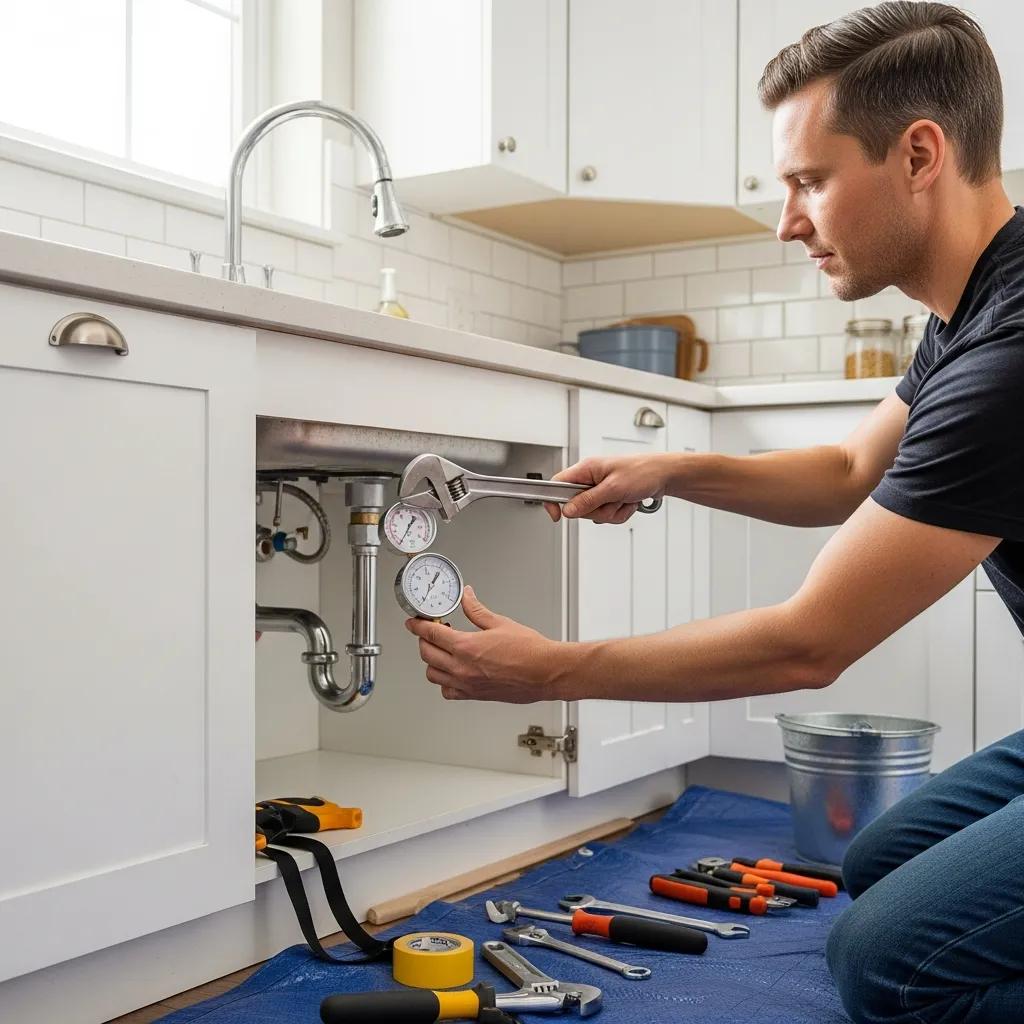
Homeowners can conduct effective DIY plumbing checks by following these steps:
- Inspect for Leaks: Check under sinks and around fixtures for any signs of water accumulation.
- Clean Drains: Use a mixture of baking soda and vinegar to clear minor clogs and maintain drain health.
- Test Sump Pumps: Pour water into the sump pit to ensure the pump activates and functions correctly.
By performing these checks, homeowners can maintain their plumbing systems and address minor issues before they escalate.
What Step-by-Step Inspections Can Prevent Leaks and Clogs?
To prevent leaks and clogs, homeowners should follow these step-by-step inspections:
- Check Faucets and Pipes: Look for any visible leaks or signs of corrosion.
- Monitor Water Pressure: Use a pressure gauge to ensure water pressure is within the normal range.
- Inspect Caulking: Check the caulking around sinks and tubs for cracks or deterioration.
These proactive measures can help maintain a healthy plumbing system and prevent costly repairs.
Which Tools and Safety Measures Are Recommended for DIY Checks?
When performing DIY plumbing checks, homeowners should have the following tools and safety measures on hand:
- Recommended Tools: Adjustable wrenches, pliers, and a pressure gauge are essential for basic plumbing tasks.
- Safety Measures: Always turn off the water supply before starting any inspection or repair work. Wear gloves and safety goggles to protect against potential hazards.
- Importance of Using Correct Tools: Using the right tools ensures that tasks are completed efficiently and safely, reducing the risk of damage.
By being prepared and cautious, homeowners can effectively manage their plumbing maintenance.
What Are Common Spring Plumbing Issues and How Can They Be Prevented?
Common spring plumbing issues include:
- Leaks from Winter Damage: Addressing any leaks caused by frozen pipes is crucial.
- Clogged Drains from Debris: Regular cleaning can prevent clogs from leaves and other debris.
- Sump Pump Issues During Heavy Rains: Ensure that sump pumps are functioning correctly to handle increased water flow.
Preventive measures, such as regular inspections and maintenance, can significantly reduce the likelihood of these issues.
How to Recognize and Address Pipe Freezing and Thawing Damage?
Recognizing and addressing pipe freezing and thawing damage involves:
- Emergency Steps for Frozen Pipes: If pipes freeze, turn off the water supply and apply heat to the affected area gradually.
- Checking for Leaks After Thawing: Inspect pipes for leaks once they have thawed, as they may have developed cracks.
- Preventive Measures for Future Issues: Insulate exposed pipes to prevent future freezing.
By taking these steps, homeowners can mitigate the risks associated with freezing temperatures.
What Preventive Measures Reduce Emergency Repairs in Spring?
To reduce the need for emergency repairs in spring, homeowners should:
- Inspect Outdoor Plumbing: Regularly check hoses and irrigation systems for leaks.
- Check for Leaks: Conduct routine inspections of all plumbing fixtures.
- Maintain Sump Pumps: Ensure that sump pumps are clean and operational.
Implementing these preventive measures can help maintain a reliable plumbing system.
When Should South Chicagoland Homeowners Call Professional Plumbing Services?
Homeowners should consider calling professional plumbing services when they notice:
- Persistent Leaks: If leaks continue despite DIY efforts, professional help may be necessary.
- Unusual Noises from Pipes: Strange sounds can indicate underlying issues that require expert attention.
- Water Stains on Walls or Ceilings: These stains can signal hidden leaks that need to be addressed promptly.
Professional plumbers can provide the expertise needed to resolve complex plumbing issues effectively.
What Are the Signs That Require Expert Plumbing Repair or Maintenance?
Signs that indicate the need for expert plumbing repair or maintenance include:
- Low Water Pressure: A significant drop in water pressure can indicate a serious issue.
- Slow Drains or Frequent Clogs: Persistent drainage problems may require professional intervention.
- Discoloration of Water: Brown or rusty water can signal pipe corrosion or contamination.
Recognizing these signs early can help homeowners avoid more significant plumbing problems.
How Does RC Szabo Plumbing Support Spring Maintenance Needs Locally?
RC Szabo Plumbing offers a range of services to support spring maintenance needs for homeowners in South Chicagoland. Their offerings include:
- Routine Inspections: Comprehensive plumbing inspections to identify potential issues.
- Drain Cleaning Services: Professional cleaning to prevent clogs and maintain drainage systems.
- Water Heater Maintenance: Ensuring that water heaters operate efficiently and safely.
By utilizing these services, homeowners can ensure their plumbing systems are well-maintained and ready for the spring season.
What Are Typical Costs and Scheduling Tips for Spring Plumbing Maintenance?
Understanding the costs associated with spring plumbing maintenance can help homeowners budget effectively. Typical costs may vary based on the services required, but routine inspections generally range from $100 to $300. Scheduling these inspections early in the season can help avoid the rush and ensure timely service.
Homeowners should also consider setting reminders for annual inspections to maintain their plumbing systems proactively.
How to Plan and Budget for Seasonal Plumbing Inspections and Repairs?
Planning and budgeting for seasonal plumbing inspections and repairs involves:
- Creating a Seasonal Plumbing Checklist: Outline key tasks and inspections needed each spring.
- Allocating Funds for Repairs: Set aside a budget for unexpected repairs that may arise.
- Monitoring Water Usage: Keep track of water bills to identify any unusual spikes that may indicate plumbing issues.
By being proactive, homeowners can effectively manage their plumbing maintenance needs.
What Is the Recommended Frequency for Spring Plumbing Checkups?
The recommended frequency for spring plumbing checkups is at least once a year. Annual inspections help ensure that plumbing systems remain in good condition and can identify potential issues before they become serious. Additionally, seasonal checks are essential for monitoring the health of plumbing systems and addressing any concerns promptly.
By adhering to this schedule, homeowners can maintain a reliable plumbing system that meets their needs throughout the year.
