Clogged Drain Solutions Every Homeowner Should Know: Effective DIY Methods, Professional Services, and Prevention
Clogged drains are a common issue that can lead to significant plumbing problems if not addressed promptly. Homeowners often face the challenge of maintaining clear drainage systems, which can be exacerbated by improper disposal practices. This article will explore effective solutions for clogged drains, including DIY methods, when to call a professional plumber, and preventive measures to avoid future issues. By understanding the common causes and signs of clogged drains, homeowners can take proactive steps to maintain their plumbing systems. We will also discuss the role of professional services in addressing more complex problems and the costs associated with these services.
What Are the Common Causes and Signs of Clogged Drains?
Clogged drains can arise from various factors, primarily due to improper disposal practices. Common causes include pouring grease down sinks and disposing of leftover food, as even small bits can accumulate and cause blockages. Signs of clogged drains may include slow drainage, gurgling sounds, or water backing up in sinks or toilets. Recognizing these signs early can help prevent more severe plumbing issues.
Which Substances and Objects Typically Cause Drain Blockages?
Several substances and objects are notorious for causing drain blockages. Grease is a primary culprit, as it solidifies in pipes and traps other debris. Leftover food particles, hair, and soap scum can also accumulate over time, leading to clogs. To prevent these issues, it is recommended to scrape plates of all food particles and dispose of them in the trash bin rather than washing them down the sink.
What Are the Early Symptoms of a Clogged Drain?
Identifying the early symptoms of a clogged drain can save homeowners from more significant plumbing issues. Common symptoms include:
- Slow Drainage: Water takes longer than usual to drain from sinks or tubs.
- Gurgling Sounds: Unusual noises from the drain indicate air trapped in the pipes.
- Water Backups: Water backing up into sinks or toilets is a clear sign of a blockage.
Being aware of these symptoms allows homeowners to take action before the problem escalates.
How Can Homeowners Unclog Drains Naturally Using DIY Methods?
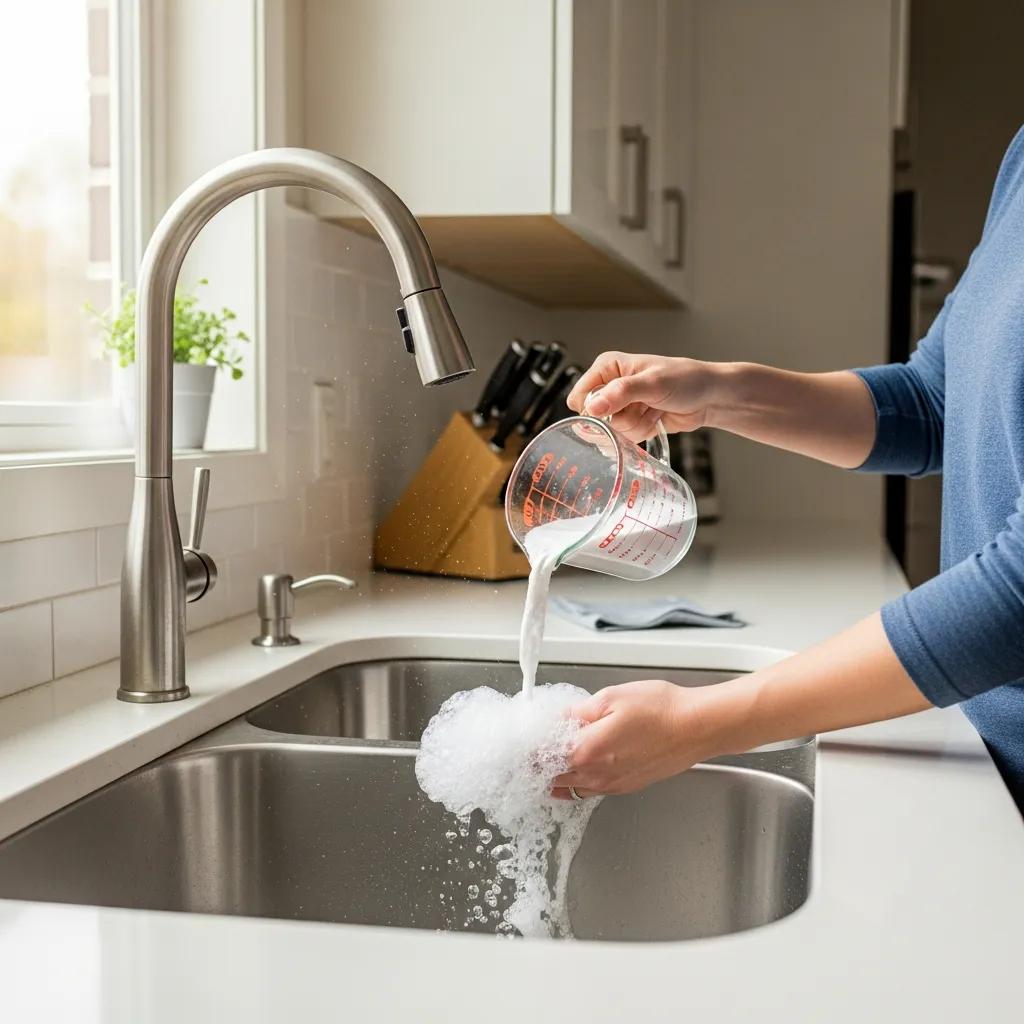
Homeowners can unclog drains naturally using several effective DIY methods. These methods not only help clear existing clogs but also prevent future blockages.
- Preventive Measures: Avoid pouring grease and leftover food down the sinks, as these can accumulate and cause clogs. Scrape plates of food particles before washing.
- Hot Water: Pouring hot (but not boiling) water down the drain can help dissolve grease and other buildup.
- Baking Soda and Vinegar: A mixture of baking soda followed by vinegar can create a natural reaction that helps break down clogs.
- Plunger: Using a plunger can help dislodge minor clogs.
- Soaking Towels: For frozen pipes, soaking towels in hot water and wrapping them around the pipes can help thaw them.
These methods can help maintain clear drains and prevent clogs from forming.
What Is the Step-by-Step Process for Using Baking Soda and Vinegar to Clear Drains?
To effectively use the baking soda and vinegar method for clearing drains, follow these steps:
- Pour Baking Soda: Start by pouring about half a cup of baking soda directly into the drain.
- Add Vinegar: Follow the baking soda with half a cup of vinegar. The mixture will fizz and bubble, which helps to break down clogs.
- Wait: Allow the mixture to sit for about 30 minutes to an hour.
- Flush with Hot Water: Finally, flush the drain with hot water to clear any remaining debris.
This method is effective for minor clogs and can be repeated as needed.
How to Use Plungers and Manual Drain Snakes Safely and Effectively?
Using plungers and manual drain snakes can be effective for unclogging drains. Here’s how to use them safely:
- Plunger: Ensure there is enough water in the sink or tub to cover the plunger’s cup. Create a tight seal and push down firmly, then pull up quickly to create suction. Repeat several times until the clog is dislodged.
- Manual Drain Snake: Insert the snake into the drain and turn the handle to break up the clog. Pull the snake out periodically to remove debris. Be gentle to avoid damaging the pipes.
These tools can be very effective for minor clogs and are essential for any homeowner’s toolkit.
When Should You Call a Professional Plumber for Drain Cleaning?
Homeowners should call a professional plumber for drain cleaning when they experience a plumbing emergency, such as a sewage system backup or a significant leak that could lead to flooding. If the situation is not an emergency, it is advisable to call a plumber promptly rather than waiting, as delaying can worsen the problem. Additionally, if you are unsure how to handle a situation, such as a frozen pipe with breaks, it is best to call an expert plumber.
How to Identify Stubborn or Recurring Clogs That Need Expert Attention?
To identify stubborn or recurring clogs that need expert attention, consider the following signs:
- Frequent Clogs: If you find yourself unclogging drains repeatedly, it may indicate a deeper issue that requires professional help.
- Ineffective DIY Solutions: When plungers or natural remedies fail to resolve the clog, it’s a sign that the problem may be more complex.
- Slow Draining: If water drains slowly even after unclogging attempts, it could suggest a persistent blockage or buildup in the pipes.
- Multiple Fixtures Affected: If more than one sink or toilet is experiencing clogs simultaneously, it may indicate a larger plumbing issue.
- Unpleasant Odors: Foul smells coming from drains can signal a blockage that needs professional assessment.
- Water Backups: If water backs up into other fixtures when using a sink or toilet, it’s a clear indication of a serious clog that requires expert intervention.
If you notice any of these signs, it’s advisable to call a plumber to prevent further damage and ensure proper repairs.
What Are the Signs of a Main Sewer Line Clog and Its Risks?
- Multiple Fixture Clogs: If several fixtures are clogged at once, it may indicate a blockage in the main line.
- Sewage Backups: Backups of sewage into sinks or toilets are a clear sign of a serious problem.
- Unpleasant Odors: Foul smells around the property can indicate a sewer line issue.
Ignoring these signs can lead to significant damage and costly repairs.
What Professional Drain Cleaning Services Are Available and How Do They Work?
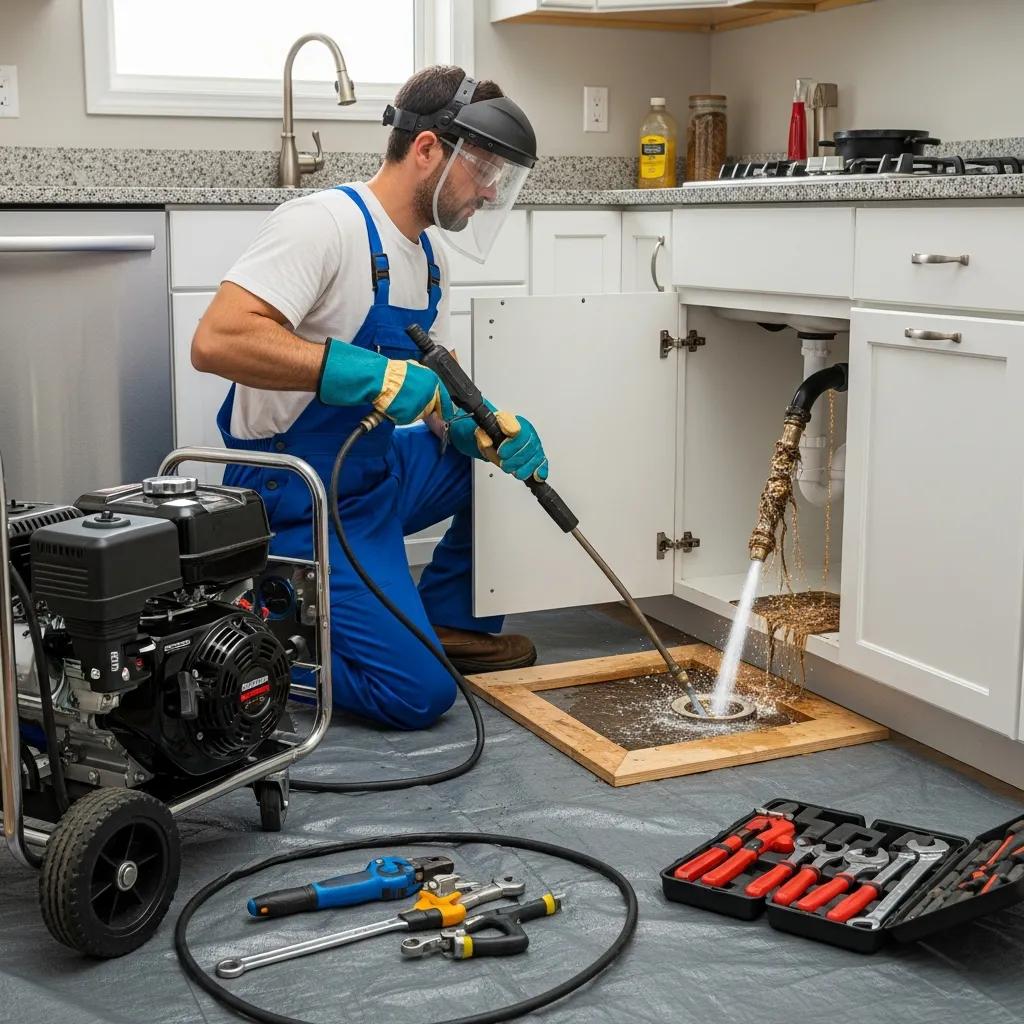
- Getting Your Drains Unblocked: Professionals use various methods to clear blockages effectively.
- Cleaning Drains and Pipes: Regular cleaning helps maintain the plumbing system’s health.
- High-Pressure Jetting (Hydro-Jetting): This method uses powerful water jets to clear stubborn clogs.
- Rodding: A mechanical tool is used to break up and remove blockages.
- Drain Surveys Using CCTV Cameras: Professionals can visually inspect the inside of pipes to determine the root cause of problems.
These services work by utilizing specialized tools and techniques to identify and resolve issues within the plumbing system efficiently.
How Does Hydro-Jetting Remove Deep and Stubborn Clogs?
Hydro-jetting is a highly effective method for removing deep and stubborn clogs. This process involves using high-pressure water jets to clear blockages and clean the interior of pipes. The powerful water stream can dislodge debris, grease, and other buildup that traditional methods may not effectively remove. Hydro-jetting is particularly useful for maintaining the long-term health of plumbing systems, as it not only clears existing clogs but also prevents future blockages.
What Is the Role of Drain Camera Inspections in Diagnosing Clogs?
Drain camera inspections play a crucial role in diagnosing clogs and other plumbing issues. By using a small camera attached to a flexible rod, plumbers can visually inspect the inside of pipes. This technology allows them to identify the exact location and cause of a blockage, whether it be tree roots, grease buildup, or damaged pipes. Drain camera inspections provide valuable insights that help plumbers determine the most effective course of action for repairs.
How Can Homeowners Prevent Future Drain Clogs Effectively?
- Avoid Trash Disposal: Do not use sinks and toilets for disposing of trash. Grease and leftover food should not be poured down the sinks, as even small bits can accumulate and cause clogs.
- Proper Food Disposal: Scrape plates of all food particles and dispose of them in the trash bin. Teach children this responsibility early to prevent clogs.
- Pipe Insulation: Insulate outdoor pipes to prevent freezing, which can lead to burst pipes. Use foam insulation or keep taps trickling to maintain water movement.
- Regular Maintenance: Have plumbing systems checked regularly by professionals to catch issues before they escalate.
By implementing these measures, homeowners can significantly reduce the risk of drain clogs and other plumbing issues.
What Are the Best Practices for Regular Drain Maintenance?
- Avoid using sinks and toilets for trash disposal: This prevents unnecessary buildup in pipes.
- Do not pour grease down the sinks: Grease can solidify and cause blockages.
- Scrape plates of all food particles and dispose of them in the trash bin: This reduces the amount of debris entering the plumbing system.
- Teach children the importance of proper disposal to prevent clogs: Educating the family can help maintain clear drains.
- Insulate outdoor pipes to prevent freezing in severe cold: This protects pipes from potential damage.
- Consider rerouting exposed pipes through plumbing repairs if they are vulnerable to freezing: This can prevent future issues.
- Keep both hot and cold water taps trickling during extreme cold to prevent freezing: This maintains water movement in the pipes.
- If pipes freeze, take steps to warm them and consider calling a plumber for emergency fixes: Prompt action can prevent further damage.
These practices can help prevent clogs and other plumbing issues.
What Should You Avoid Putting Down Your Drains to Reduce Blockages?
To reduce blockages, you should avoid putting grease and leftover food down your drains. Plates should be scraped of all food particles and disposed of in the trash bin. Additionally, avoid flushing items like wipes, paper towels, and feminine hygiene products, as these can cause significant clogs in the plumbing system.
What Are the Typical Costs and Benefits of Professional Drain Cleaning?
Professional drain cleaning services can vary in cost depending on the complexity of the job and the methods used. Generally, homeowners can expect to pay between $100 to $500 for professional drain cleaning services. While this may seem high compared to DIY methods, the benefits often outweigh the costs.
How Does Professional Drain Cleaning Compare to DIY Methods in Cost and Effectiveness?
Professional drain cleaning is generally more effective than DIY methods, especially for complex plumbing issues. While DIY methods can be useful for minor repairs, they may not address underlying problems and can sometimes worsen the situation. Professional plumbers have the right tools, experience, and skills to quickly identify and resolve issues, reducing the risk of further damage. However, the cost of hiring professionals can be higher compared to DIY methods, which may seem more economical initially. Ultimately, for serious plumbing problems, professional services are recommended for a lasting solution.
What Are the Long-Term Advantages of Hiring Certified Plumbers for Drain Services?
- Expertise: Certified plumbers are well-versed in the latest technological innovations and possess the necessary qualifications, ensuring high-quality service.
- Legitimacy: Hiring licensed plumbers guarantees that they are legitimate professionals, reducing the risk of poor workmanship.
- Experience: Experienced plumbers can quickly diagnose and resolve issues, providing effective solutions that prevent future problems.
- Quality of Service: Certified plumbers often use advanced tools and techniques, which enhances the quality of their work.
- Value for Money: While their services may come at a higher cost, the long-term savings from avoiding repeated repairs and ensuring proper installations can provide better overall value.
- Reliability: Certified plumbers are more likely to deliver consistent and dependable service, which is crucial for maintaining plumbing systems over time.
By understanding the costs and benefits of professional drain cleaning, homeowners can make informed decisions about their plumbing needs.