
Common Plumbing Problems Every Homeowner Faces: How to Identify, Fix, and When to Call a Plumber
Common plumbing problems homeowners face include leaking pipes and clogged toilets. To identify these issues, homeowners should be attentive to signs like increased water bills, water damage, or persistent clogs. Fixing minor issues may be possible with DIY methods if the homeowner has some knowledge, but many plumbing problems require professional help. It’s advisable to call a plumber when the problem is beyond simple repairs, as procrastination can lead to more significant issues, such as burst pipes. For plumbing needs, it’s important to hire a reputable plumber with good referrals and a solid track record.
This sentiment is echoed by research highlighting the financial benefits of promptly addressing plumbing issues.
Residential Plumbing Defects: Identification & Repair Costs
PurposeMost residential building owners often report problems associated with the plumbing systems. If identified at the early stages, plumbing-related defects can be easily repaired. However, if unnoticed for a long period of time, they could lead to major damages and incur a significant cost to repair.
Plumbing defects in residential buildings: analysis of anomalies and their causes, A Gurmu, 2023
What Are the Most Common Plumbing Problems Homeowners Encounter?
Homeowners often encounter several common plumbing problems that can disrupt daily life. Understanding these issues is crucial for timely intervention and effective solutions. The most prevalent plumbing problems include:
- Leaky Faucets and Pipes: These can lead to increased water bills and potential water damage.
- Clogged Drains: Slow drainage or backups can indicate blockages in the plumbing system.
- Low Water Pressure: This can be caused by various factors, including clogs or leaks.
- Running Toilets: A running toilet can waste a significant amount of water.
- Water Heater Issues: Problems with water heaters can lead to insufficient hot water supply.
Identifying these problems early can save homeowners from costly repairs and extensive damage.
Which Signs Indicate a Leaky Faucet or Pipe?
Signs that indicate a leaky faucet or pipe include:
- Water dripping from a faucet or pipe.
- Water gushing from a broken pipeline.
- Wet spots on ceilings or walls, indicating potential leaks behind them.
- A sudden increase in water utility bills, suggesting hidden leaks.
- A lack of water flow from faucets, which may indicate frozen pipes.
If you notice any of these signs, it may be time to call a plumber.
How to Recognize Clogged Drain and Sewer Line Blockages?
To recognize clogged drain and sewer line blockages, look for the following signs:
- Slow drainage in sinks, tubs, or toilets.
- Gurgling sounds from drains.
- Unpleasant odors coming from drains.
- Water backing up in sinks or toilets.
- A sudden increase in water utility bills, which may indicate leaks or blockages.
If you notice no water coming out when you turn on taps, it may indicate frozen pipes, which also requires immediate attention.
How Can You Troubleshoot and Fix Leaky Faucets and Pipes?
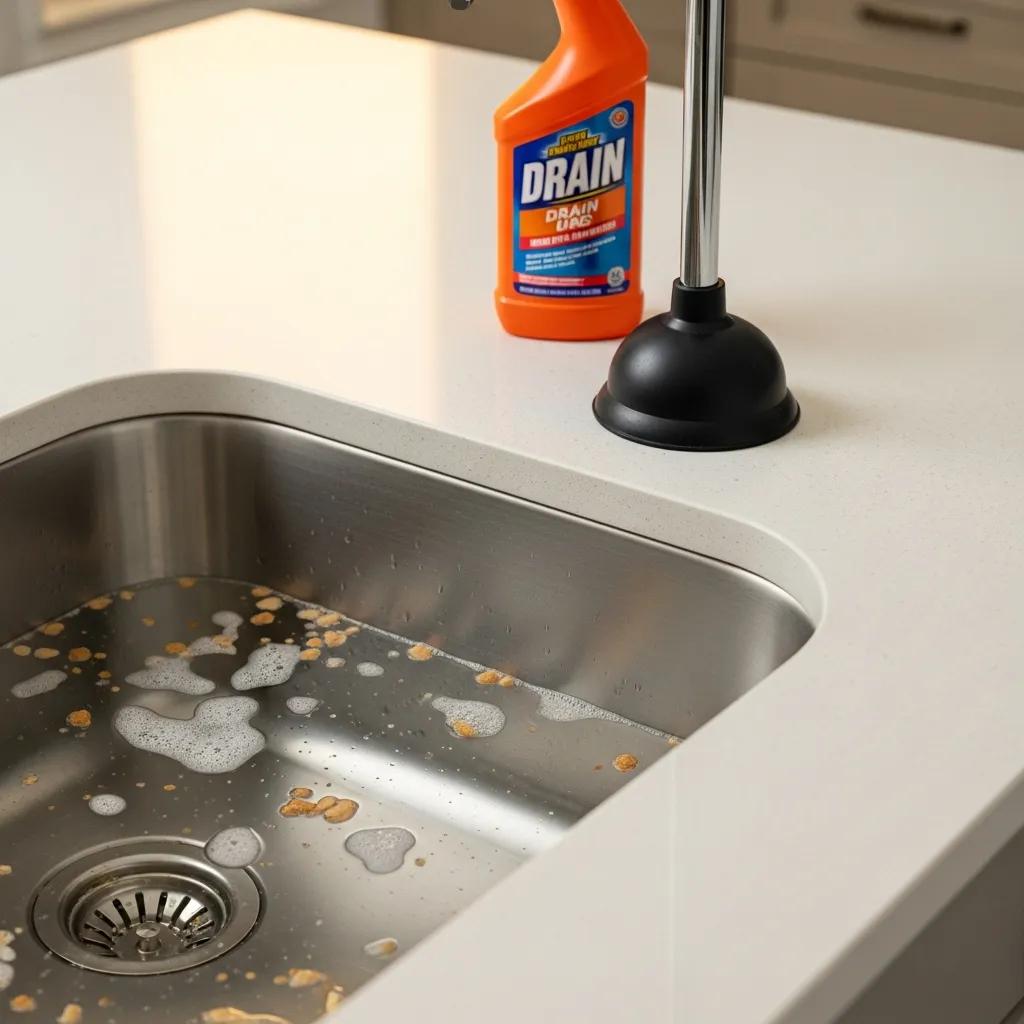
To troubleshoot and fix leaky faucets and pipes, follow these steps:
- Evaluate the Situation: Determine if the leak is dripping or gushing. If it’s gushing due to a broken pipeline, turn off the main water supply valve immediately to stop the flow.
- Temporary Solutions:For a dripping leak, place a basin to catch the drips as a temporary fix and wait for a plumber.If you cannot turn off the main valve or are unsure how to do it, call emergency plumbers to prevent flooding.
- Frozen Pipes: If no water is flowing due to frozen pipes, thaw them using a hair dryer or blower. Avoid thawing if there are visible breaks in the pipe; instead, call a plumber.
- Regular Maintenance: To prevent emergencies, have your plumbing system checked regularly, especially before winter.
- Call a Professional: If the problem persists or if you are not comfortable with DIY repairs, contact a licensed plumber for assistance.
What Are Simple Steps for Leaky Faucet Repair?
- Evaluate the situation: Check if the leak is dripping or gushing.
- If gushing, turn off the main water supply valve immediately to stop the flow.
- Drain the water and plan to call a plumber the next day if it’s not an emergency.
- If it’s just dripping, place a basin to catch the drips and wait for the plumber.
- If unsure how to turn off the main valve, call emergency plumbers to avoid flooding.
- For frozen pipes, thaw them using a hair dryer or blower, but avoid thawing if there are breaks in the pipe; call a plumber instead.
When Should You Call a Plumber for Leak Repairs?
- Gushing Water: If water is gushing from a broken pipeline, turn off the main water supply immediately and call a plumber as soon as possible.
- Sewage Backup: If your sewage system backs up, call an emergency plumber for sanitation reasons.
- Frozen Pipes: If there is no water flowing due to frozen pipes and you notice breaks, call a plumber instead of attempting to thaw them yourself.
- Boiler Issues: If something goes wrong with your boiler during winter, call a boiler repairman immediately.
For non-emergency situations, such as a dripping pipe, you can wait until the next day to call a plumber.
What Are Effective Solutions for Clogged Drains and Sewer Line Blockages?
Effective solutions for clogged drains and sewer line blockages include:
- Preventive Measures: Avoid using sinks and toilets for trash disposal. Do not pour grease down the sinks or dispose of leftover food in them. Scrape plates of food particles before washing.
- Regular Maintenance: Have plumbing systems checked regularly by professionals to prevent issues from escalating.
- Professional Help: If clogs persist, it is advisable to call a plumber, as they have the right tools and experience to address the problem effectively.
- DIY Techniques: For minor clogs, homeowners can attempt to use a plunger or liquid solutions, but these may not always be effective.
- Emergency Fixes: In cases of frozen pipes, keep them warm to prevent bursting, and if necessary, call a plumber for emergency repairs.
How to Unclog Drains: DIY Methods and Tools
To unclog drains, avoid pouring grease and leftover food down sinks, as these can accumulate and cause clogs. Scrape plates of food particles and dispose of them in the trash. If you encounter a clog, DIY methods may be useful if you have some understanding of plumbing. For severe issues, such as burst pipes or persistent clogs, it’s advisable to call a licensed plumber. Regular maintenance and proper disposal practices can help prevent clogs and plumbing problems.
What Causes Sewer Line Blockages and How Are They Fixed?
Sewer line blockages can be caused by several factors, including the accumulation of grease and leftover food, which should not be poured down sinks. Additionally, tree root intrusion and pipe damage are common causes of blockages. Burst pipes due to severe cold can also lead to blockages or leaks. To fix these issues, homeowners can scrape plates of food before disposal, ensure proper insulation of outdoor pipes, and call a plumber for emergency repairs if pipes freeze or burst. For minor clogs, DIY measures may be attempted, but professional help is recommended for more complex problems.
How to Troubleshoot and Fix Water Heater Problems?
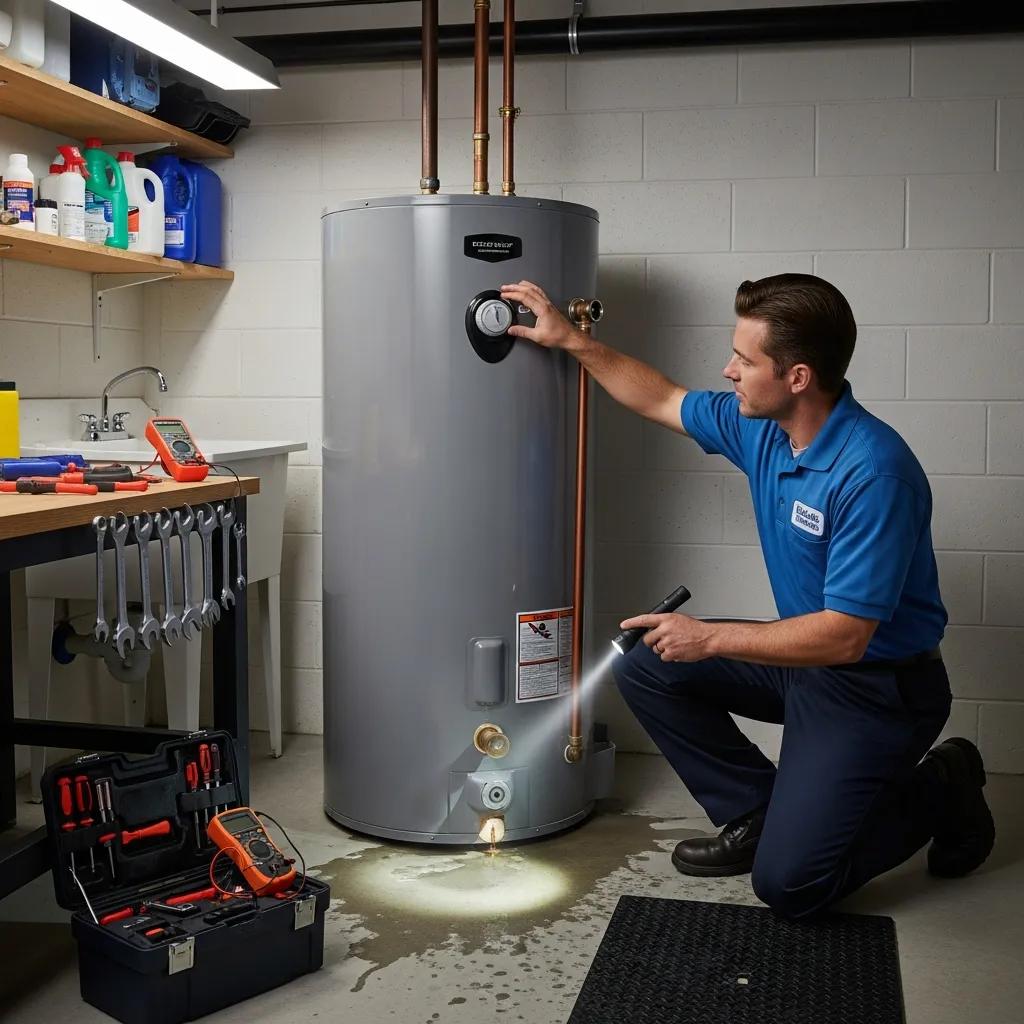
To troubleshoot and fix water heater problems, consider the following steps:
- Evaluate the Situation: Determine if the issue is an emergency. If there is a leak, check if it is dripping or gushing. For a gushing leak, turn off the main water supply immediately.
- Maintenance: Regular maintenance is crucial to avoid expensive repairs. You can either perform maintenance yourself or hire a licensed plumber.
- Check for Common Issues: If there is no hot water, check the thermostat settings, power supply, or gas supply (for gas heaters).
- Frozen Pipes: If water is not flowing due to frozen pipes, thaw them gently using a hair dryer or blower. Avoid thawing if there are visible breaks in the pipe; call a plumber instead.
- Call a Professional: If you are unsure about the repairs or if the problem persists, it is advisable to contact a qualified plumber to handle the situation.
- Preventive Measures: Regularly check and maintain your water heater to prevent future issues. Consider having it inspected annually.
What Are Common Water Heater Troubleshooting Steps?
- Check the thermostat settings to ensure they are set correctly.
- Inspect the power supply for electric heaters or the gas supply for gas heaters.
- Look for leaks around the water heater that may indicate a problem.
- Flush the tank periodically to remove sediment buildup.
- Test the pressure relief valve to ensure it is functioning properly.
When Is Water Heater Replacement Necessary?
Water heater replacement is necessary when the water heater is no longer functioning efficiently, requires frequent repairs, or has reached the end of its typical lifespan (usually 8-12 years for tank water heaters). Additionally, if you are considering upgrading to a more energy-efficient model, such as a tankless water heater, replacement may be warranted. Regular maintenance can help prolong the life of a water heater, but if it is consistently causing issues or is outdated, replacement is advisable.
What Causes Low Water Pressure and How Can You Fix It?
Low water pressure can be caused by several factors, including frozen pipes, clogs, or leaks. To fix low water pressure due to frozen pipes, you can try thawing the pipes using a hair dryer or heat lamp, but avoid open flames. If the pipes are already burst, it’s essential to call a plumber immediately to prevent further damage. Additionally, to prevent freezing, you can insulate pipes, let faucets trickle during cold weather, and ensure that outdoor pipes are protected. For clogs, avoid pouring grease or food down the sink, and regularly maintain your plumbing to prevent buildup.
What Are the Main Causes of Low Water Pressure in Homes?
- Clogs: Accumulation of debris in pipes can restrict water flow.
- Leaking Pipes: Leaks can divert water away from its intended path, reducing pressure.
- Faulty Pressure Regulators: Malfunctioning regulators can lead to inconsistent pressure levels.
- Municipal Supply Issues: Sometimes, low pressure can stem from the water supply system itself.
How to Increase Water Pressure: DIY and Professional Options
To increase water pressure, homeowners can try several methods:
- Check for Leaks: Repair any leaks in the plumbing system to restore pressure.
- Clean Aerators and Showerheads: Remove mineral buildup that can restrict flow.
- Adjust Pressure Regulators: If applicable, adjust the settings on pressure regulators.
- Install a Water Pressure Booster: For persistent issues, consider installing a booster pump.
How to Prevent Plumbing Problems and Maintain Your Home’s Plumbing System?
To prevent plumbing problems and maintain your home’s plumbing system, follow these steps:
- Avoid Trash Disposal in Sinks and Toilets: Do not pour grease or leftover food down the sinks. Scrape plates of food particles and dispose of them in the trash to prevent clogs.
- Teach Responsibility: Educate children about proper disposal methods to avoid plumbing issues.
- Insulate Pipes: Protect outdoor pipes from severe cold by insulating them. Use foam insulation or reroute exposed pipes to prevent freezing.
- Keep Water Flowing: In cold weather, let both hot and cold water taps trickle to keep water moving and prevent pipes from freezing.
- Address Frozen Pipes Promptly: If pipes freeze, take steps to warm them to prevent bursting. If you cannot fix it yourself, call a plumber.
- Regular Maintenance: Have your plumbing system checked regularly by professionals to catch minor issues before they become major problems.
- Choose Reliable Plumbing Services: Research and select a reputable plumbing service to ensure quality repairs and maintenance.
What Are Essential Preventative Maintenance Tips for Homeowners?
- Proper Waste Disposal: Avoid pouring grease and leftover food down sinks. Scrape plates clean and dispose of food waste in the trash to prevent clogs.
- Pipe Insulation: Insulate outdoor pipes to prevent freezing in severe cold. Consider rerouting exposed pipes and wrapping them with foam insulation.
- Trickle Water: In cold weather, let both hot and cold water taps trickle to keep water moving and prevent pipes from freezing.
- Emergency Preparedness: Have a reliable plumber on hand for emergencies. Regularly check your plumbing system to identify potential issues early.
- Water Heater Maintenance: Regularly maintain your water heater to avoid costly repairs. Consider hiring a licensed plumber for professional maintenance.
- Educate Family Members: Teach children about proper waste disposal and plumbing care to prevent future issues.
How Can Regular Plumbing Inspections Save You Money?
Regular plumbing inspections can save you money by identifying and addressing potential issues before they escalate into more serious and costly problems, such as burst pipes or extensive water damage. By catching these issues early, homeowners can avoid emergency repairs, which are typically more expensive. Additionally, maintaining plumbing systems can help prevent inconveniences like clogged drainages that may affect the home’s value in the real estate market. Regular checks can also reduce the risk of mold and structural damage, further protecting your investment.
