When selecting a water heater, it's essential to consider your household's hot water needs, energy efficiency ratings, and available fuel sources. Different types of water heaters, such as tankless, solar, and traditional storage models, offer various benefits that cater to specific requirements.
For instance, tankless water heaters provide hot water on demand, which can be ideal for smaller homes or those looking to save on energy costs. In contrast, traditional tank water heaters may be more suitable for larger families with higher hot water consumption. Understanding these differences will help you make an informed decision that aligns with your lifestyle and budget.
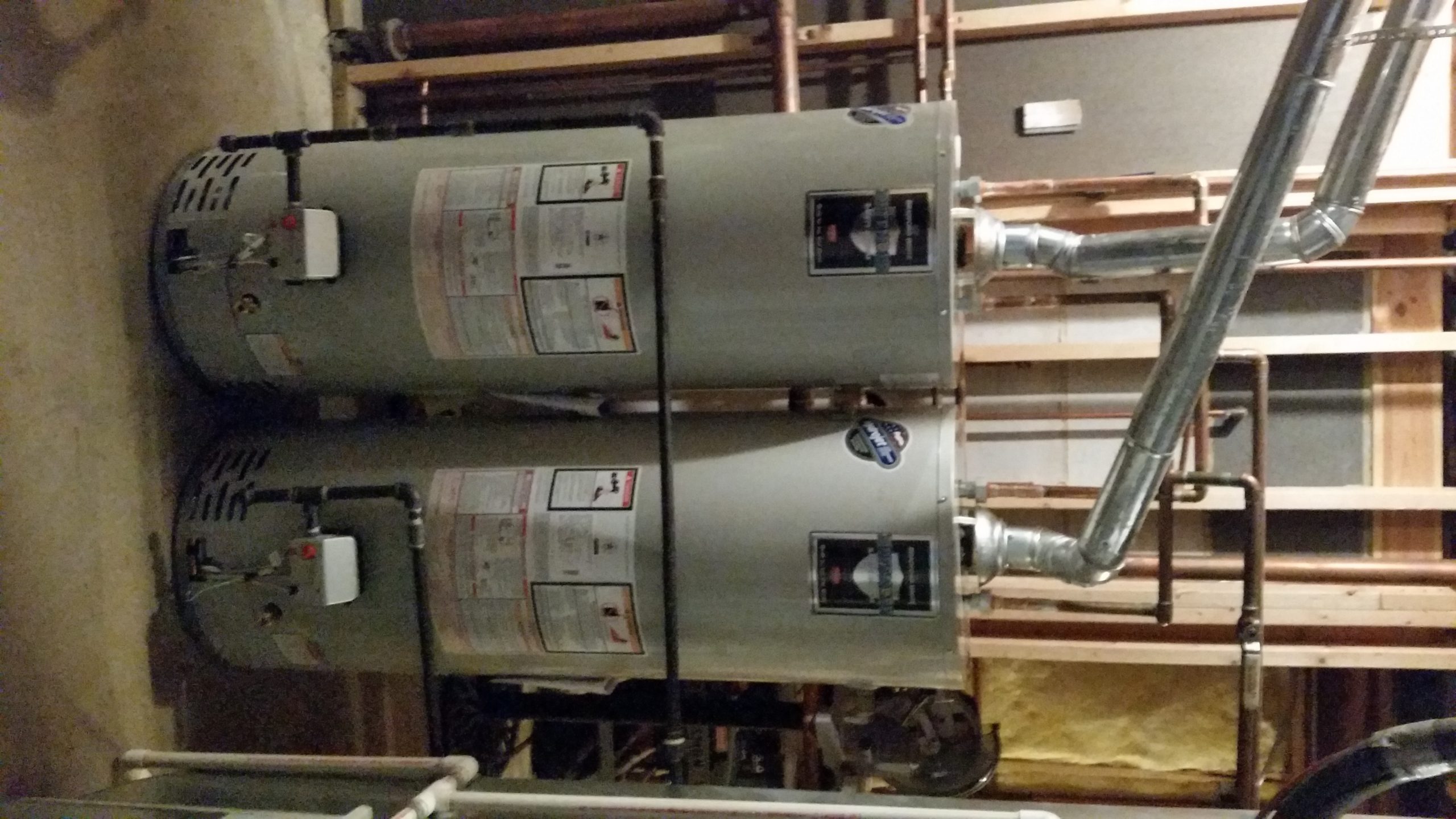
Improper installation of a water heater can lead to inefficiencies, leaks, and even safety hazards. One common mistake is neglecting to follow local building codes and regulations, which can result in fines or the need for costly adjustments later on.
Another frequent error is underestimating the importance of proper venting, which is crucial for gas water heaters. Without adequate ventilation, harmful gases can accumulate, posing serious health risks. Ensuring that your installation is handled by professionals can help avoid these pitfalls and ensure your water heater operates safely and efficiently.
Many homeowners have questions about the water heater installation process, including how long it takes, the costs involved, and whether permits are necessary. Typically, a standard installation can be completed in a few hours, but factors such as existing plumbing conditions can affect this timeline.
Costs can vary widely based on the type of water heater chosen and the complexity of the installation. Additionally, most municipalities require permits for water heater installations to ensure compliance with safety standards. Consulting with a licensed plumber can provide clarity on these aspects and help streamline the process.
Investing in a new water heater can lead to significant energy savings, especially if you upgrade from an older, less efficient model. Modern water heaters are designed to use less energy while providing the same amount of hot water, which can reduce your monthly utility bills.
Additionally, many energy-efficient models qualify for rebates or tax incentives, making them a financially smart choice. By choosing a high-efficiency water heater, you not only save money but also contribute to a more sustainable environment by reducing your carbon footprint.