 Skip to content

How To Unclog A Drain Fast: Effective Drain Cleaning Techniques for Quick Results
Clogged drains can be a frustrating and inconvenient issue for homeowners and businesses alike. Understanding effective drain cleaning techniques can help you tackle these problems quickly and efficiently. In this article, we will explore various methods to unclog your drains fast, including both DIY solutions and when to seek professional help. You will learn about the best practices for maintaining your drains and preventing future clogs, ensuring a smooth plumbing experience. We will cover essential techniques such as using boiling water, baking soda and vinegar, and the importance of professional services like sewer rodding and hydro jetting.
What Are The Best DIY Drain Cleaning Solutions?
When faced with a clogged drain, many homeowners turn to DIY solutions before calling a plumber. These methods can be effective for minor clogs and are often easy to implement. Here are some of the best DIY drain cleaning solutions:
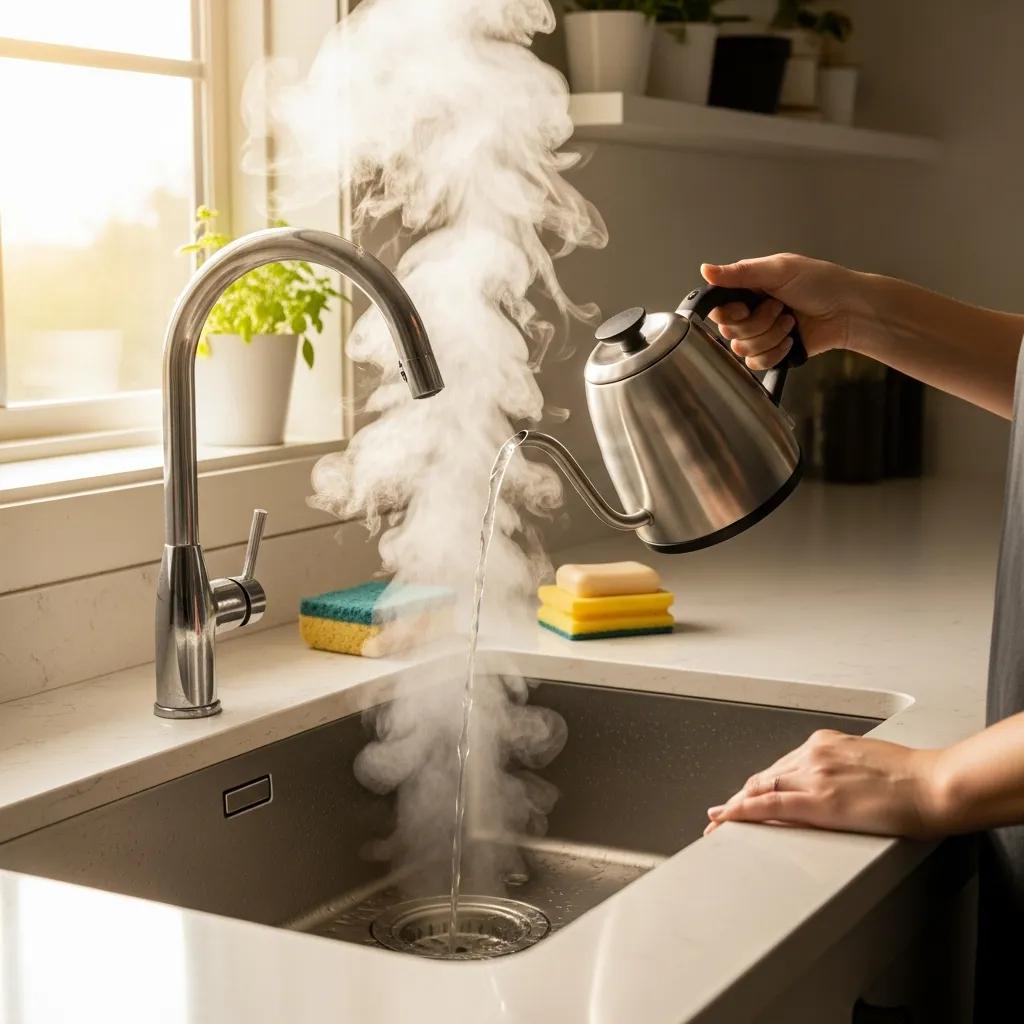
- Boiling Water: Pouring boiling water down the drain can help dissolve grease and soap buildup. This method is particularly effective for kitchen sinks and bathroom drains.
- Baking Soda and Vinegar: This classic combination creates a chemical reaction that can help break down clogs. The fizzing action can dislodge debris and clear minor blockages.
- Plunger: A plunger can be a handy tool for dislodging clogs in toilets and sinks. Ensure you create a good seal for maximum effectiveness.
How To Use Boiling Water To Clear Minor Clogs
Using boiling water is a straightforward method to clear minor clogs. Start by boiling a kettle of water. Once it reaches a rolling boil, carefully pour it down the drain in stages, allowing it to work for a few seconds between pours. This method is particularly effective for grease and soap scum clogs. However, avoid using boiling water on PVC or other plastic pipes, as it may cause damage.
Can Baking Soda And Vinegar Unclog Your Drain Effectively?
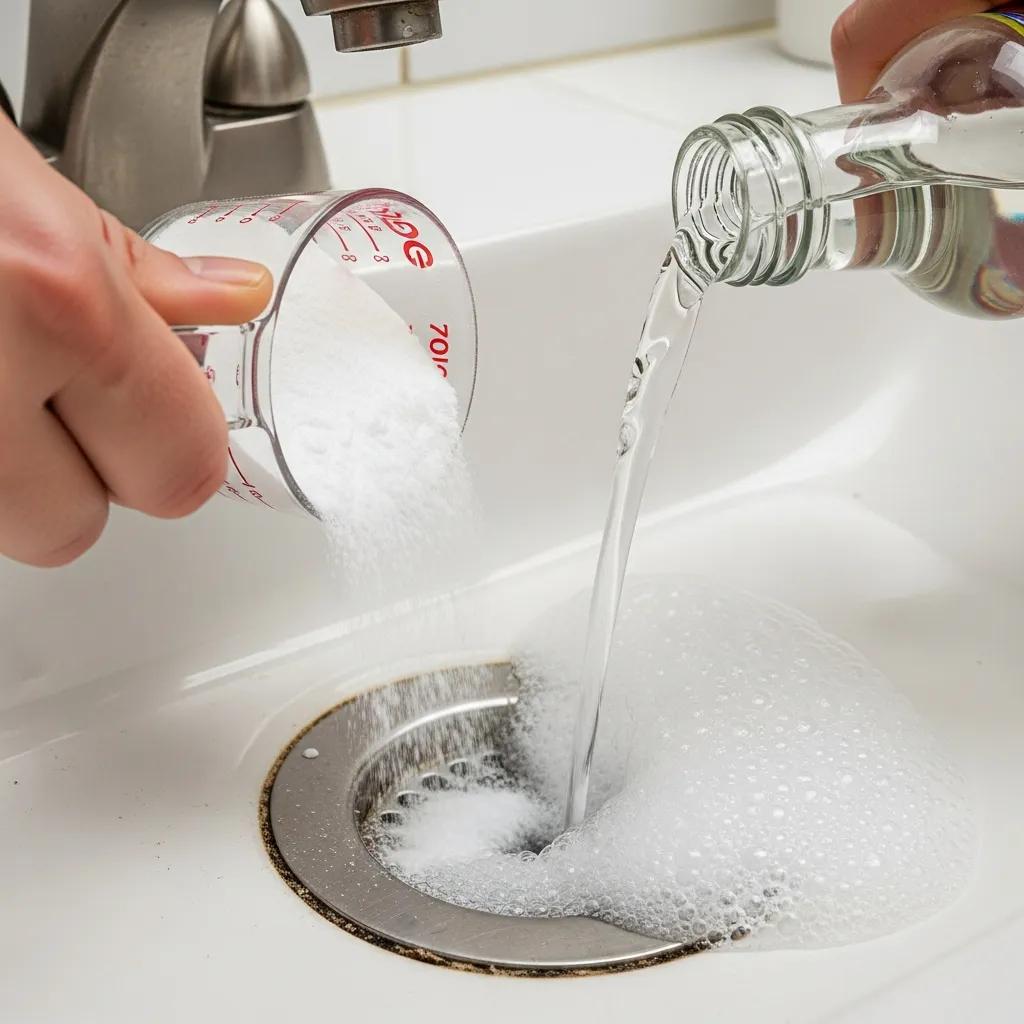
Yes, baking soda and vinegar can effectively help unclog your drain. Begin by pouring about half a cup of baking soda directly into the drain. Follow this with half a cup of vinegar. The mixture will fizz and bubble, which helps to break down the clog. After about 15 to 30 minutes, flush the drain with hot water to clear any remaining debris. This method is safe for most types of plumbing and is an eco-friendly alternative to chemical drain cleaners.
When Should You Call Professional Drain Cleaning Services?
While DIY methods can be effective for minor clogs, there are times when professional help is necessary. Recognizing the signs that indicate you need expert plumbing assistance can save you time and prevent further damage.
- Recurring Clogs: If you find yourself frequently dealing with clogs, it may indicate a more significant issue within your plumbing system.
- Foul Odors: Unpleasant smells coming from your drains can signal a serious blockage or buildup of waste.
- Slow Draining: If water is draining slowly, it may be a sign of a clog that requires professional tools to remove.
- Water Backing Up: If water backs up into sinks, tubs, or toilets, it’s a clear sign that professional intervention is needed.
What Signs Indicate You Need Expert Plumbing Help?
Several signs can indicate the need for professional plumbing services. Recurring clogs, foul odors, slow drainage, and water backing up are common indicators that your plumbing system may have underlying issues. If you notice any of these signs, it’s best to consult a professional to assess the situation and provide appropriate solutions.
How Do Professionals Unclog Drains Using Sewer Rodding And Hydro Jetting?
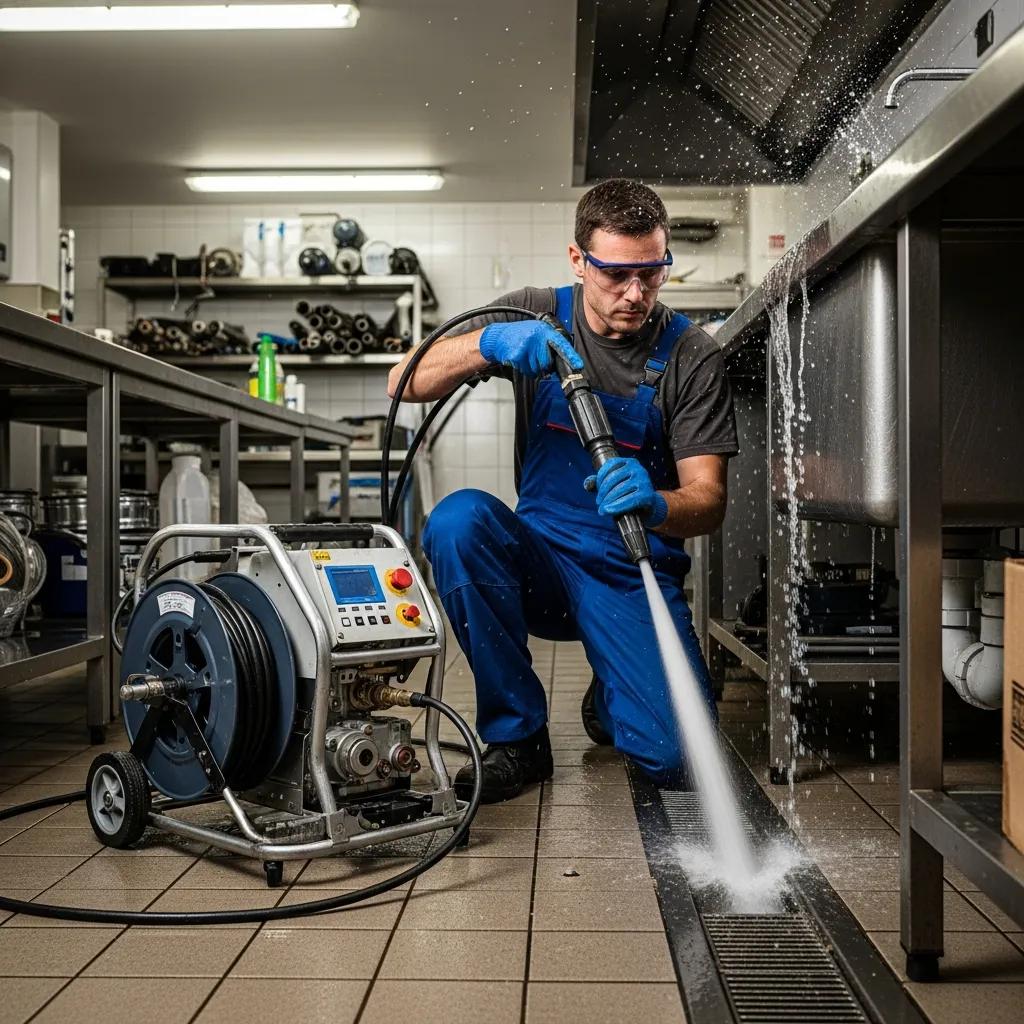
Professional plumbers often use advanced techniques like sewer rodding and hydro jetting to clear stubborn clogs. Sewer rodding involves using a flexible rod or auger to break up blockages, while hydro jetting utilizes high-pressure water jets to clear debris and buildup from pipes. These methods are effective for severe clogs and can help restore proper drainage in your plumbing system. Hydro jetting is also effective at cleaning the inside of pipes, removing grease, scale, and roots.
What Are The Most Effective Methods For Different Types Of Clogged Drains?
Different types of clogs require specific methods for effective removal. Understanding the nature of the clog can help you choose the right approach.
- Hair and Soap Scum Clogs: These are common in bathroom drains and can be effectively removed using a drain snake or a mixture of baking soda and vinegar.
- Grease and Kitchen Drain Blockages: For grease clogs, hot water and dish soap can help dissolve the buildup. In severe cases, professional hydro jetting may be necessary.
- Foreign Objects: If a foreign object is causing the blockage, a plumber may need to use specialized tools to retrieve it.
How To Remove Hair And Soap Scum Clogs Safely
To safely remove hair and soap scum clogs, start by using a drain snake or a bent wire hanger to pull out visible debris. Follow this with a mixture of baking soda and vinegar to help break down any remaining buildup. Flushing the drain with hot water afterward will help clear any lingering residue.
What Techniques Work Best For Grease And Kitchen Drain Blockages?
For grease and kitchen drain blockages, start with hot water and dish soap to help dissolve the grease. If the clog persists, consider using a mixture of baking soda and vinegar, followed by hot water. In cases of severe blockage, professional hydro jetting may be the most effective solution.
How To Prevent Future Drain Clogs With Simple Maintenance Tips
Preventing future drain clogs is essential for maintaining a healthy plumbing system. Here are some simple maintenance tips to keep your drains flowing smoothly:
- Regular Cleaning: Clean your drains regularly using a mixture of baking soda and vinegar to prevent buildup.
- Use Drain Screens: Install screens over drains to catch hair and debris before they enter the plumbing system.
- Mind What Goes Down the Drain: Avoid putting grease, coffee grounds, and large food particles down the kitchen sink.
What Are The Best Kitchen And Bathroom Drain Care Practices?
To care for your kitchen and bathroom drains, implement the following practices:
- Use Drain Screens: These can catch hair and food particles, preventing clogs.
- Flush with Hot Water: Regularly flushing your drains with hot water can help dissolve grease and soap buildup.
- Avoid Chemical Cleaners: These can damage your pipes over time; opt for natural solutions instead.
How Can Regular Maintenance Reduce Emergency Drain Cleaning Needs?
Regular maintenance can significantly reduce the need for emergency drain cleaning. By implementing simple practices like cleaning your drains and being mindful of what goes down them, you can prevent clogs from forming. This proactive approach not only saves you time and money but also extends the life of your plumbing system.
| Method | Effectiveness | Best For |
|---|---|---|
| Boiling Water | Moderate | Minor grease clogs and soap buildup |
| Baking Soda & Vinegar | Moderate to High | Soap scum and hair |
| Hydro Jetting | Very High | Severe blockages and pipe cleaning |
| Sewer Rodding | High | Foreign objects and tough clogs |
This table summarizes the effectiveness of various drain cleaning methods, helping you choose the best approach for your specific clog.
By understanding these techniques and implementing regular maintenance, you can keep your drains clear and functioning properly. If you encounter persistent issues, don’t hesitate to reach out to professionals like RC Szabo Plumbing & Sewer, who offer expert drain cleaning services to ensure your plumbing system remains in top condition.
