 Skip to content


Electric vs Gas Water Heaters: Which Is Best for You? A Comprehensive Orland Park Homeowner's Guide
Choosing the right water heater is crucial for homeowners, as it directly impacts energy efficiency, operating costs, and overall comfort. This guide will help you understand the differences between electric and gas water heaters, enabling you to make an informed decision tailored to your needs. Electric and gas water heaters each have unique mechanisms, efficiency ratings, and installation requirements that can significantly affect your household’s energy consumption and expenses. By exploring these factors, you can identify the best option for your home in Orland Park, IL. We will cover how each type works, their efficiency and cost differences, installation requirements, performance, safety considerations, and recommendations based on specific scenarios.
How Do Electric and Gas Water Heaters Work? Understanding Their Mechanisms and Fuel Sources
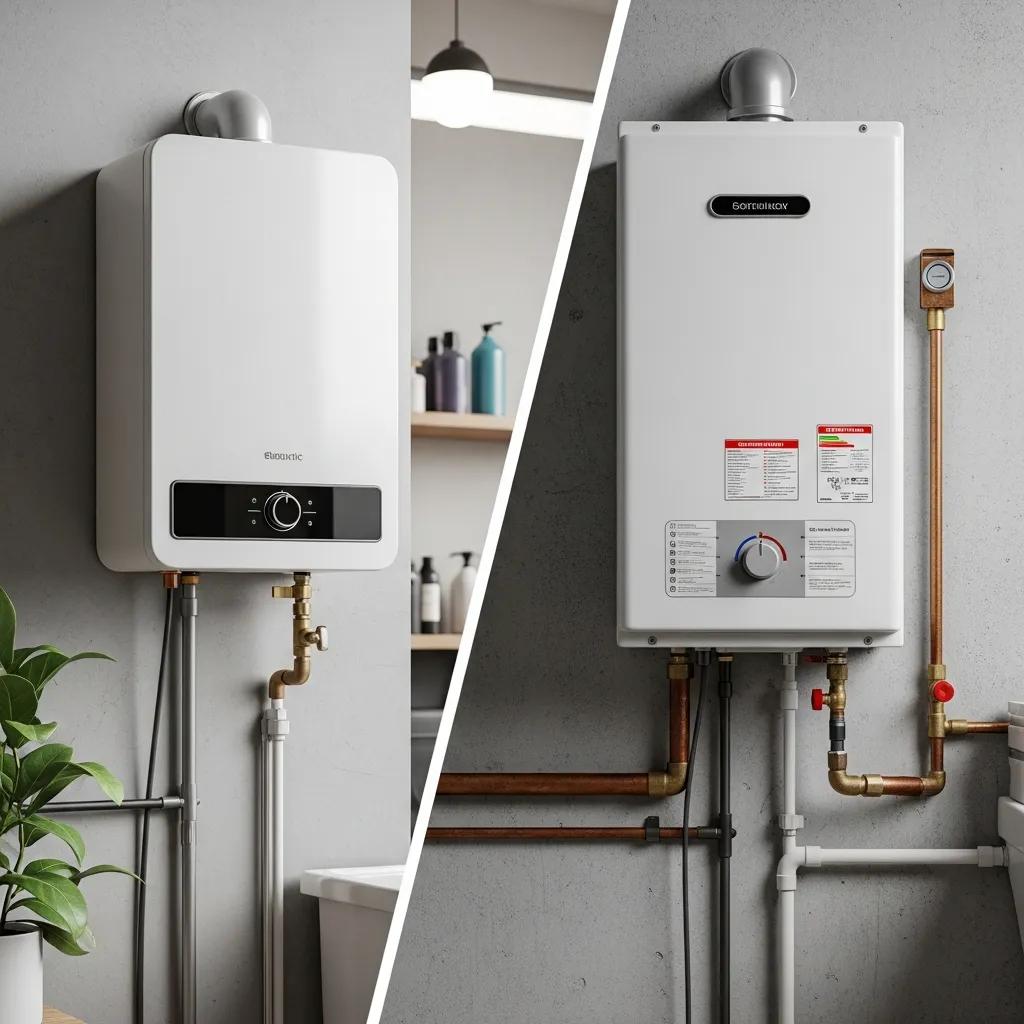
Electric and gas water heaters operate on different principles, each utilizing distinct fuel sources to heat water. Understanding these mechanisms is essential for evaluating their efficiency and suitability for your home.
What Is an Electric Water Heater and How Does It Heat Water?
An electric water heater uses heating elements powered by electricity to heat water. These elements are typically located at the bottom and sometimes the top of the tank. When the thermostat detects that the water temperature has dropped below a set point, it activates the heating elements, which then warm the water until it reaches the desired temperature. Electric water heaters are known for their efficiency, as they convert nearly all the electrical energy they consume into heat, making them a popular choice for many homeowners.
How Does a Gas Water Heater Operate Using Natural Gas or Propane?
Gas water heaters operate by burning natural gas or propane to heat water. The combustion process occurs in a burner located at the bottom of the tank, producing hot gases that rise through a flue, transferring heat to the water. This method allows gas water heaters to heat water quickly and efficiently. However, they require proper ventilation to expel combustion gases safely, which can complicate installation in some homes.
What Are the Key Efficiency and Operating Cost Differences Between Electric and Gas Water Heaters?
When comparing electric and gas water heaters, efficiency and operating costs are critical factors to consider. Understanding these differences can help you make a more informed decision based on your budget and energy consumption preferences.
How Do Energy Factors and Uniform Energy Factors Compare for Electric vs Gas Models?
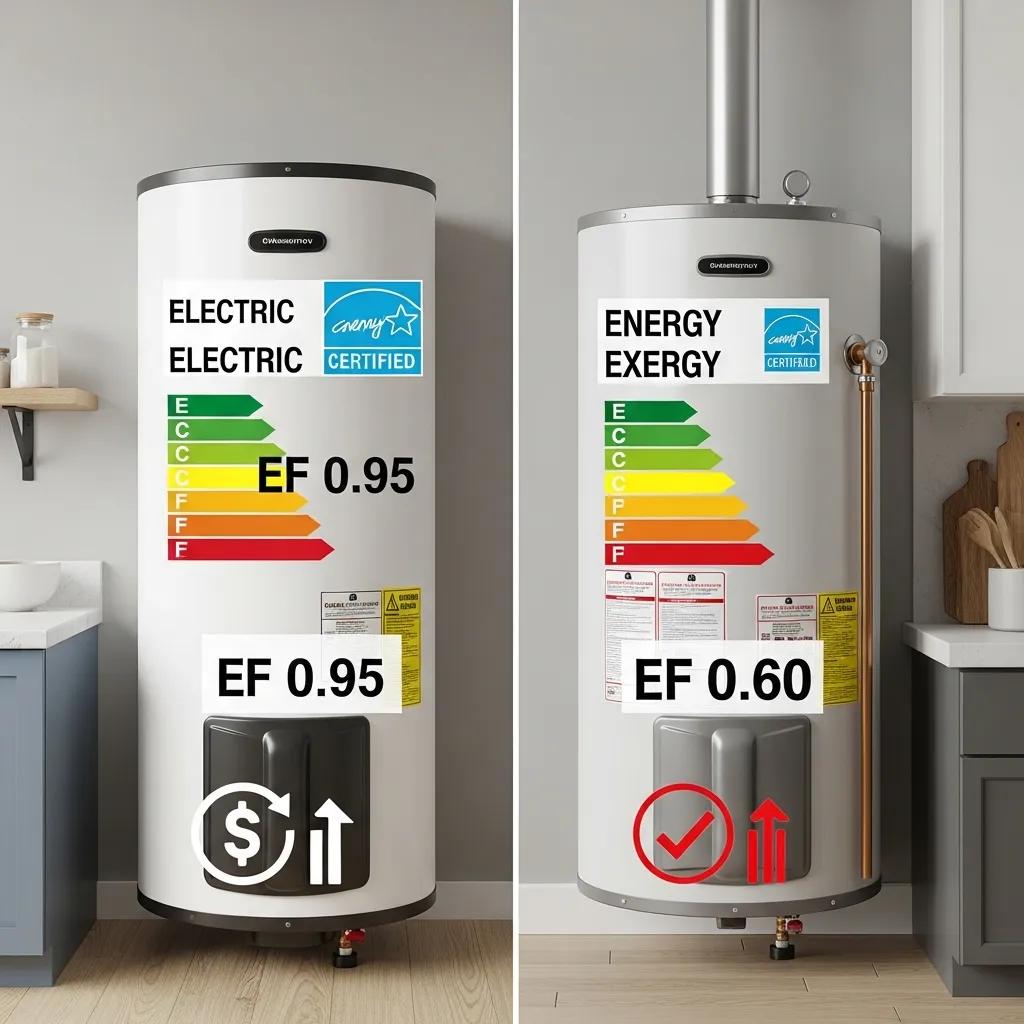
Energy efficiency is often measured using Energy Factor (EF) and Uniform Energy Factor (UEF) ratings. Electric water heaters typically have higher EF ratings, indicating better energy efficiency. For instance, electric models can achieve EF ratings of around 0.90 or higher, while gas models usually range from about 0.50 to 0.70. This means that electric water heaters convert a higher percentage of energy into usable hot water, making them more efficient in many cases.
What Are the Local Utility Rates and Their Impact on Operating Costs in Orland Park, IL?
Local utility rates significantly influence the operating costs of water heaters. In Orland Park, electric rates tend to be higher than natural gas rates. As a result, while electric water heaters may be more efficient, the cost of electricity can lead to higher monthly bills compared to gas water heaters. Homeowners should consider both the efficiency ratings and local utility rates when evaluating the long-term costs of each type.
How Do Installation Costs and Requirements Differ for Electric and Gas Water Heaters in Orland Park?
Installation costs and requirements can vary significantly between electric and gas water heaters. Understanding these differences is essential for budgeting and planning your installation.
What Are the Upfront Purchase and Installation Costs for Each Water Heater Type?
Electric water heaters generally have lower upfront costs compared to gas models. The average price for an electric water heater ranges from $300 to $700, while gas water heaters can cost between $500 and $1,200. Installation costs also differ, with electric water heaters typically requiring less complex installation, leading to lower labor costs. However, if your home lacks existing gas lines, the installation of a gas water heater can become more expensive due to the need for additional plumbing and ventilation work.
What Local Permits, Gas Line, Venting, and Electrical Requirements Affect Installation?
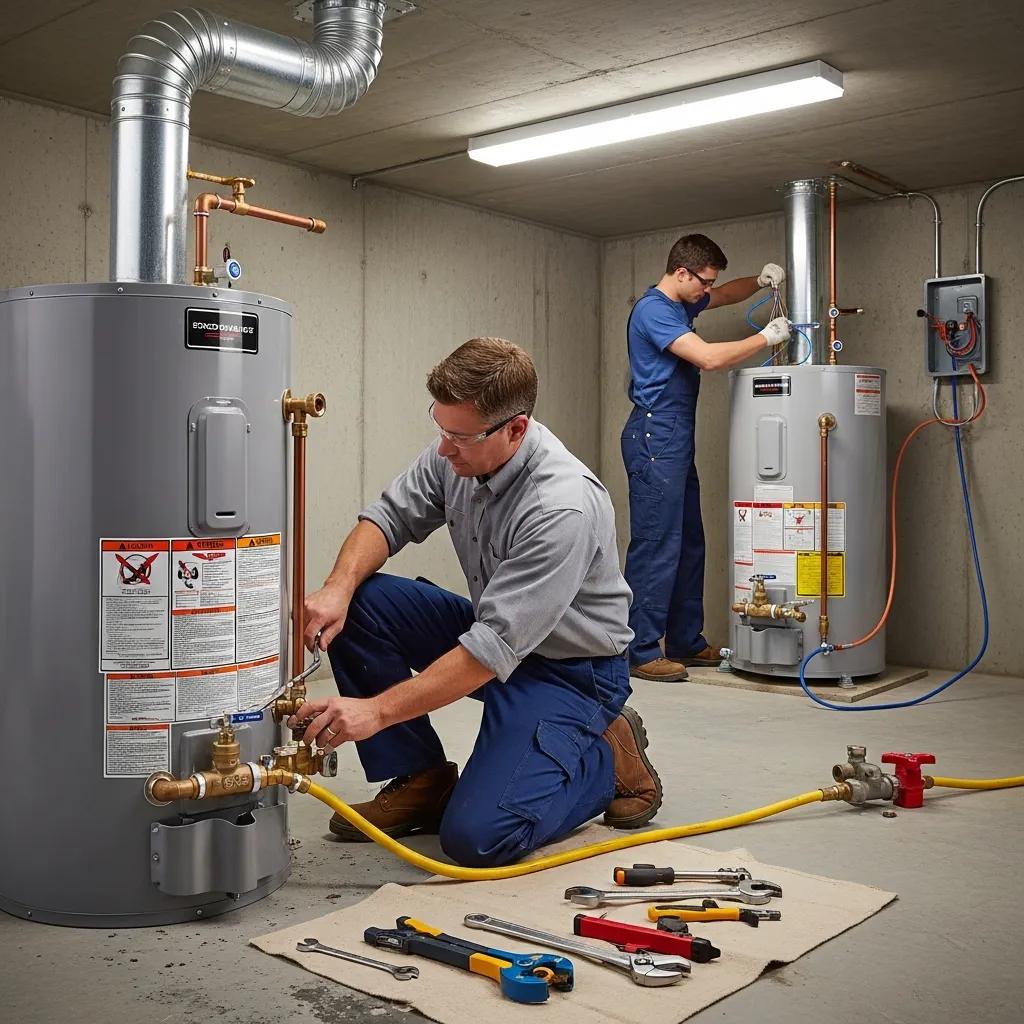
In Orland Park, homeowners must adhere to local building codes and regulations when installing water heaters. Gas water heaters require proper venting to expel combustion gases, which may necessitate additional permits and inspections. Electric water heaters, while generally easier to install, still require compliance with electrical codes. Homeowners should consult with a licensed plumber to ensure all local requirements are met.
What Are the Performance, Lifespan, and Maintenance Considerations for Electric vs Gas Water Heaters?
Performance and maintenance are crucial factors that can influence your choice between electric and gas water heaters. Understanding these aspects can help you select a model that meets your needs and expectations.
How Do Recovery Rates, Capacity, and First Hour Ratings Compare?
Recovery rate refers to how quickly a water heater can heat a new batch of water after the hot water has been used. Gas water heaters typically have higher recovery rates than electric models, allowing them to provide hot water more quickly. Additionally, gas water heaters often have larger tank capacities, making them suitable for households with higher hot water demands. First Hour Rating (FHR) measures the amount of hot water a heater can supply in the first hour of use. Homeowners should consider their household’s hot water needs when evaluating these performance metrics.
What Are the Average Lifespans and Maintenance Needs of Each Water Heater Type?
Electric water heaters generally have a lifespan of about 10-15 years, while gas water heaters typically last around 8-12 years. Maintenance needs also differ; electric models typically require less frequent maintenance, while gas models need regular checks for gas leaks and venting issues. Homeowners should factor in these maintenance considerations when choosing a water heater.
What Safety and Environmental Factors Should Orland Park Homeowners Consider When Choosing Between Electric and Gas Water Heaters?
Safety and environmental impact are essential considerations when selecting a water heater. Understanding these factors can help homeowners make a responsible choice.
What Are the Safety Risks and Professional Installation Benefits for Gas and Electric Water Heaters?
Gas water heaters pose safety risks, including the potential for gas leaks and carbon monoxide poisoning. Proper installation and regular maintenance are crucial to mitigate these risks. Electric water heaters, while generally safer, can still pose electrical hazards if not installed correctly. Hiring a professional plumber for installation ensures compliance with safety standards and reduces the risk of accidents.
How Do Carbon Emissions and Renewable Energy Integration Differ Between Water Heater Types?
Gas water heaters produce carbon emissions due to the combustion of fossil fuels, contributing to environmental concerns. In contrast, electric water heaters can be powered by renewable energy sources, such as solar or wind, making them a more environmentally friendly option. Homeowners interested in reducing their carbon footprint should consider the energy sources available in their area when choosing a water heater.
Which Water Heater Is Best for Your Orland Park Home? Scenario-Based Recommendations and Professional Guidance
Selecting the right water heater for your home depends on various factors, including your household’s hot water needs, budget, and energy preferences. Here are some recommendations based on common scenarios.
How Does Existing Home Infrastructure Influence Water Heater Choice?
If your home already has gas lines and proper venting, a gas water heater may be the most cost-effective option. However, if your home lacks these features, an electric water heater could be a more straightforward and less expensive choice. Additionally, consider the space available for installation, as gas water heaters often require more room for venting.
Why Is Professional Consultation and Installation Important for Optimal Water Heater Performance?
Consulting with a professional plumber, such as RC Szabo Plumbing & Sewer, can provide valuable insights into the best water heater options for your specific needs. With over 30 years of experience, RC Szabo Plumbing emphasizes quality work and customer satisfaction. Their team can help you navigate the complexities of water heater selection and installation, ensuring optimal performance and safety in your home.
Different water heaters offer distinct advantages and disadvantages, making it essential to evaluate your specific needs and circumstances. By understanding the mechanisms, efficiency ratings, installation requirements, and safety considerations, you can make an informed decision that best suits your home and lifestyle.
