 Skip to content


Urgent Water Heater Repair Services in Flossmoor 60422: 24/7 Emergency Solutions by RC Szabo Plumbing

A failing water heater can turn a routine morning into a household emergency, threatening floors, fixtures, and family comfort when hot water stops or a tank begins leaking. This article explains how to recognize urgent water heater problems, what immediate actions to take, and how emergency response works in Flossmoor so you can protect your home and restore service quickly. We cover the common signs of emergency conditions, criteria for immediate repair, the step-by-step repair workflow you should expect, and replacement options when repair isn’t practical. For homeowners weighing repair versus replacement, we provide a concise comparison of tank and tankless systems and a transparent breakdown of cost drivers and timeline expectations. Throughout the guide we reference local, 24/7 emergency service options available to Flossmoor residents and practical steps to limit damage while help is en route.
What Are the Common Signs of a Water Heater Emergency in Flossmoor?
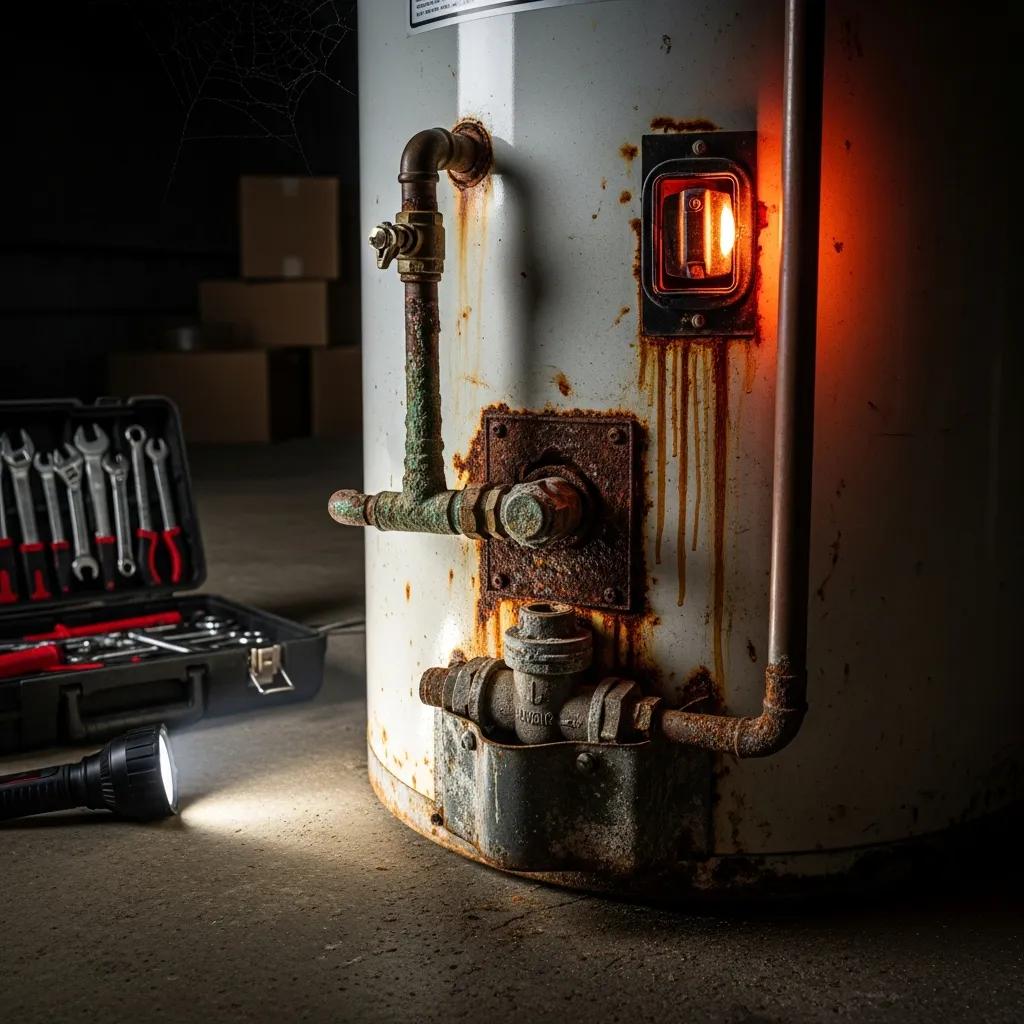
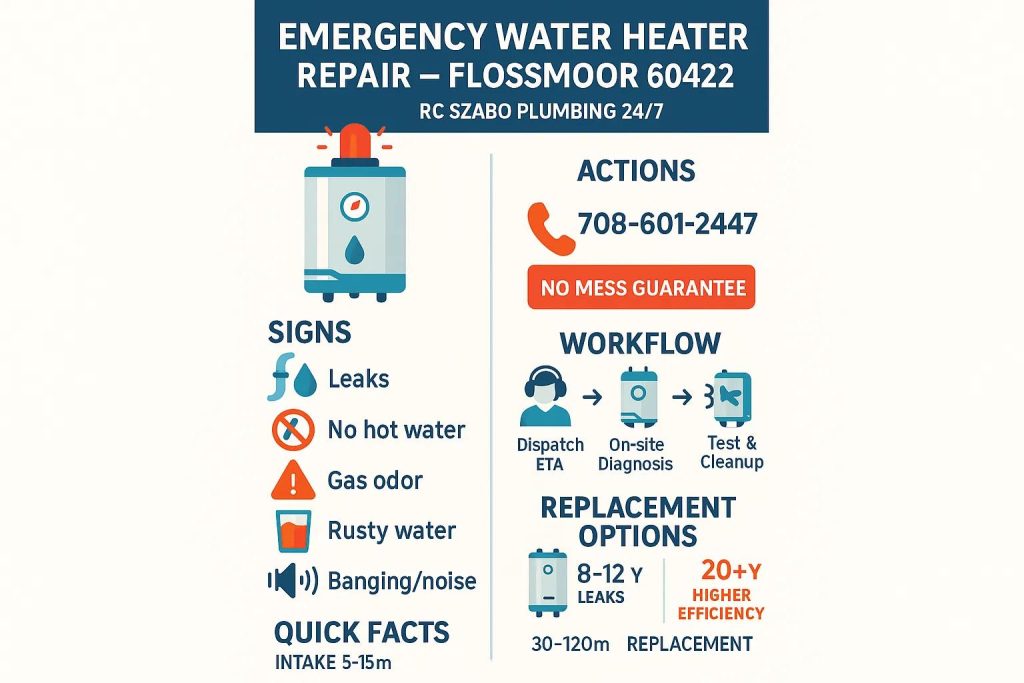
A water heater emergency occurs when a component fails in a way that risks property damage, gas exposure, or loss of essential hot water. Rapid identification matters because early action reduces water damage and safety risks, and prevents costly secondary repairs. Below is a quick list of the top signs that indicate an urgent condition and what a homeowner can do first to reduce harm.
- Active pooling or dripping: Visible water under the tank or fittings indicates an active leak that can worsen quickly.
- No hot water at all: Sudden loss of hot water suggests element, thermostat, or power/gas failure that needs fast diagnosis.
- Strong gas smell: Any scent of gas is an immediate evacuation-level emergency requiring shutting off supply and calling professionals.
- Discolored or rusty water: Brown water can mean tank corrosion and imminent tank breach.
- Loud banging or rumbling: Sediment buildup causes overheating and pressure issues that can lead to failure.
- Visible corrosion on the tank: Corrosion weakens the tank and raises the risk of sudden rupture.
How to Identify Leaks, No Hot Water, and Unusual Noises
Visual and auditory checks help narrow likely causes quickly and safely before calling an expert. Inspect around the base and fittings for pooling water, then trace any wet spots to valves, supply lines, or the tank seam; do not stick hands into hot water or attempt complex repairs. For loss of hot water, check the electrical breaker or pilot light from a safe distance — if breakers are tripped or the pilot is out, do not relight a gas pilot if you smell gas. If you hear banging or rumbling, that usually points to sediment buildup or overheating and requires professional flushing or element replacement.
If you encounter standing water, a strong gas odor, or signs of tank rupture stop all attempts at DIY fixes and prepare to shut off the main water and, if trained, the gas or electrical supply. These immediate diagnostics help technicians prioritize safety and materials when they arrive.
When Is Immediate Water Heater Repair Necessary?
Immediate repair is necessary when conditions pose a safety hazard to people or property, or when an outage interrupts essential household functions. Any active leak from the tank body, a smell of natural gas, or visible structural failure of the tank constitutes an emergency and requires same-day attention. Delaying in these scenarios risks water damage, mold growth, and in gas systems, carbon monoxide exposure or explosion.
For non-urgent issues like gradual temperature fluctuations or minor drips at fittings, scheduling service within a few days may be acceptable, but homeowners should monitor for escalation. Knowing these thresholds helps you choose between urgent dispatch and scheduled maintenance, and it frames the questions to ask when a technician provides an on-site assessment.
Why Choose RC Szabo Plumbing for Emergency Water Heater Repair in Flossmoor?
When minutes matter, local availability, clear guarantees, and experienced technicians reduce stress and uncertainty. RC Szabo Plumbing & Sewer offers 24/7 plumbing emergency service for hot water heater repairs and installations in the Flossmoor area, with a family-owned approach focused on customer satisfaction and careful cleanup. Their public commitments include a No Mess Guarantee, a Satisfaction Guarantee, and service coverage that lists Flossmoor and nearby Orland Park, IL, as part of the local service area.
- 24/7 Emergency Response: Calls after hours are handled through an emergency dispatch system to get technicians underway quickly.
- Transparent Pricing & Free Estimates: Clear upfront quotes are provided to avoid surprise charges during stressful situations.
- Satisfaction & No Mess Guarantees: Technicians commit to leaving the work area clean and ensuring customer approval of completed work.
- Experienced Crew: The team presents decades of combined field experience to assess and repair emergency water heater issues efficiently.
These trust signals help homeowners choose a reliable local provider when they face urgent water heater problems and want a clear path from diagnosis to restoration. To request emergency assistance, customers can contact RC Szabo Plumbing & Sewer at 708-601-2347 for immediate dispatch in the Flossmoor area.
What Makes Our 24/7 Service Reliable and Fast?
Reliability in emergency plumbing depends on rapid call intake, accurate triage, and properly stocked vehicles. RC Szabo Plumbing & Sewer uses an intake process that documents symptoms, prioritizes safety flags like gas odor or active leaks, and dispatches licensed technicians equipped for common emergency repairs and temporary containment. Technicians are trained to perform efficient on-site diagnostics, carry key replacement parts, and communicate clear timelines so homeowners know what to expect.
This combination of triage plus experienced crews minimizes downtime and reduces the risk of follow-up leaks or missed hazards. Clear communication during the call also helps homeowners take safe interim steps, which streamlines the on-site work that follows.
How Do Our Transparent Pricing and Satisfaction Guarantees Benefit You?
Transparent pricing and satisfaction guarantees reduce the stress of emergency repairs by clarifying choices and outcomes before work begins. Homeowners receive a straightforward estimate that separates parts, labor, and known permitting needs so they can make informed decisions about repair versus replacement. The No Mess Guarantee and Satisfaction Guarantee commit technicians to leave the job site clean and to address any follow-up concerns promptly.
These assurances lower transactional risk during after-hours service and make it easier to approve necessary safety repairs quickly, which in turn reduces property damage and restores hot water faster.
What Does the Urgent Water Heater Repair Process in Flossmoor Involve?
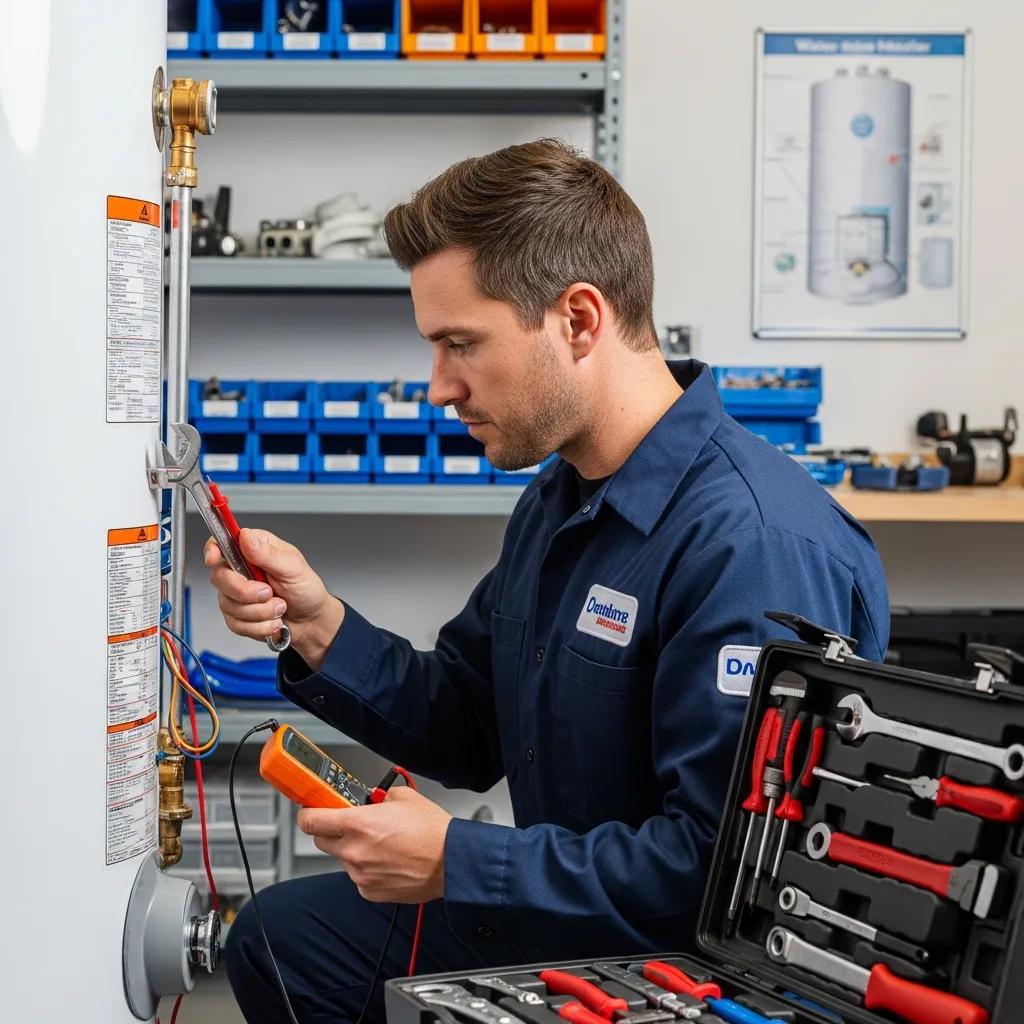
An effective emergency response follows a predictable workflow: report, triage, dispatch, diagnose, present options, repair or replace, and test. This sequence ensures safety is addressed first, then service efficiency and homeowner understanding. Below is a concise numbered summary of the typical steps homeowners can expect when they request urgent help.
- Call Intake and Triage: The operator documents symptoms and safety flags to prioritize response.
- Rapid Dispatch and ETA: A nearby technician is dispatched with tools and common replacement parts.
- On-site Diagnosis and Quote: The technician inspects and explains repair vs replacement options with an upfront estimate.
- Repair or Emergency Replacement: The team performs containment, parts replacement, or temporary measures to restore service.
- Testing and Cleanup: Technicians pressure-test systems, confirm safe operation, and perform a No Mess cleanup.
How Is the Repair Diagnosed and Quoted?
On arrival, technicians perform a focused diagnostic checklist to identify the failure mode and safety risks. Typical checks include visual inspection for leaks and corrosion, pressure relief valve testing, thermostat and heating element evaluation, and gas line or burner inspection for gas units. Technicians then explain whether a repair or a full replacement is the safer, more cost-effective option and present a transparent quote that separates parts and labor.
When replacements are recommended, installers also identify any required permits or additional work, such as venting or electrical upgrades, that affect timeline and cost. This clarity lets homeowners make informed decisions during emergencies without hidden surprises.
| Response Step | Estimated Time | Purpose |
|---|---|---|
| Call Intake & Triage | 5–15 minutes | Assess urgency and dispatch appropriate crew |
| On-Site Diagnosis | 20–45 minutes | Identify failure mode and safety hazards |
| Repair or Temporary Fix | 30–120 minutes | Restore hot water or secure system until replacement |
| Replacement (if needed) | Several hours | Remove old unit, install new system, test operation |
What Steps Ensure Efficient Repair and Cleanup?
Efficient emergency repairs prioritize containment and safety to minimize property damage, then focus on durable fixes and clear testing. Technicians isolate the water and power/gas supply, use absorbent containment materials to protect flooring, and replace failed components with matched parts or temporary bypasses to restore service. After repair, systems are pressure-tested and temperature-controlled to confirm safe operation, and technicians document the work for homeowner records.
A final cleanup phase follows the No Mess Guarantee: technicians remove debris, check adjacent areas for water migration, and explain warranty details and follow-up recommendations. This handoff leaves homeowners with a clear understanding of the work performed and any next steps.
What Are Your Water Heater Replacement Options in Flossmoor?
When a repair is not practical, homeowners typically choose between a storage tank system and a tankless (on-demand) system, each offering distinct trade-offs in cost, downtime, efficiency, and lifespan. Understanding these differences helps homeowners make rapid decisions during emergencies so that service can be restored to meet household needs. The brief comparison table below highlights core attributes to guide emergency replacement choices.
| Type of Heater | Typical Lifespan / Efficiency | Typical Emergency Causes |
|---|---|---|
| Tank (Storage) | 8–12 years / Moderate efficiency | Tank leak, corrosion, element failure |
| Tankless (On-demand) | 20+ years / Higher efficiency | Heat exchanger failure, mineral buildup |
| Gas Storage | 8–12 years / Varies by venting | Burner failure, venting issues, corrosion |
How Do Tank and Tankless Water Heaters Compare for Emergency Replacement?
In emergencies, tank systems often allow faster restoration because replacements are widely available and installation is straightforward in existing hookups. Tankless systems can reduce long-term energy costs and last longer, but installations can require more labor, upgrades to gas or electrical service, and longer downtime. For a homeowner needing immediate hot water with minimal disruption, a same-size tank replacement is typically quickest; for those prioritizing efficiency and lifespan, a tankless swap may be worth the additional installation time.
Homeowners should weigh immediate downtime against long-term savings when deciding under emergency pressure, and installers can often provide same-day estimates and timelines to help choose.
What Are the Typical Replacement Costs and Factors Affecting Them?
Replacement cost drivers include the unit price, labor, permit fees, and any required modifications to venting, gas lines, or electrical supply. Costs vary based on unit type, accessibility of the existing installation, and whether additional plumbing or electrical upgrades are necessary. Homeowners facing emergency replacement should expect a range of outcomes based on these influencing factors rather than a single fixed price.
- Unit type and capacity: Larger or higher-efficiency units increase equipment cost.
- Installation complexity: Confined spaces or extensive venting work raise labor time.
- Required upgrades: New gas lines, electrical circuits, or permits add to total cost.
- Emergency dispatch timing: After-hours or immediate replacements can affect scheduling and availability.
| Cost Component | Range | Value |
|---|---|---|
| Equipment | Varies by unit type and features | Influenced by capacity and efficiency |
| Labor | Varies with complexity and access | Includes removal, installation, and testing |
| Permits & Upgrades | Dependent on local codes and needed work | May include venting, gas line, or electrical changes |
This cost breakdown clarifies why installers present itemized quotes and why free estimates matter in emergencies. RC Szabo Plumbing & Sewer offers installation services and free estimates to Flossmoor homeowners considering emergency replacement, helping homeowners choose the option that balances immediate needs with long-term value.
Frequently Asked Questions
What should I do if I smell gas near my water heater?
If you detect a gas smell near your water heater, it is crucial to act immediately. Evacuate everyone from the premises and avoid using any electrical devices, including light switches, as they could ignite the gas. Once you are at a safe distance, call your local gas company or emergency services to report the leak. Do not attempt to fix the issue yourself. Gas leaks can lead to serious hazards, including explosions, so prioritize safety above all else.
How can I prevent water heater emergencies?
Preventing water heater emergencies involves regular maintenance and monitoring. Schedule annual inspections with a qualified technician to check for signs of wear, corrosion, or sediment buildup. Additionally, homeowners should routinely check the pressure relief valve and flush the tank to remove sediment. Keeping an eye on the age of your water heater is also important; most units last 8-12 years. If your water heater is nearing the end of its lifespan, consider planning for a replacement to avoid unexpected failures.
What are the benefits of tankless water heaters compared to traditional tanks?
Tankless water heaters offer several advantages over traditional tank systems. They provide hot water on demand, which means you won’t run out of hot water during peak usage times. Additionally, tankless systems are generally more energy-efficient, as they only heat water when needed, potentially lowering your energy bills. They also have a longer lifespan, often exceeding 20 years, compared to 8-12 years for tank systems. However, installation can be more complex and may require upgrades to your gas or electrical systems.
How long does it typically take to replace a water heater?
The time required to replace a water heater can vary based on several factors, including the type of unit being installed and the complexity of the installation. Generally, a straightforward replacement can take anywhere from 2 to 6 hours. This includes removing the old unit, installing the new one, and testing the system to ensure it operates correctly. If additional modifications, such as upgrading gas lines or electrical circuits, are needed, the process may take longer. Always consult with your technician for a more accurate estimate.
What should I expect during a water heater repair service?
During a water heater repair service, you can expect a systematic approach from the technician. They will first conduct a thorough diagnostic to identify the issue, which may involve checking for leaks, testing the thermostat, and inspecting the heating elements. After diagnosing the problem, the technician will present you with repair options and an upfront estimate. Once you approve the work, they will proceed with the necessary repairs, test the system for safety, and ensure the area is cleaned up afterward, adhering to their No Mess Guarantee.
Are there any signs that indicate I need to replace my water heater?
Yes, several signs may indicate that it’s time to replace your water heater. If you notice frequent leaks, inconsistent water temperatures, or discolored water, these could be signs of significant issues. Additionally, if your water heater is over 10 years old and requires frequent repairs, it may be more cost-effective to replace it. Unusual noises, such as banging or rumbling, can also indicate sediment buildup or internal damage, suggesting that a replacement might be necessary to ensure reliable hot water service.
Conclusion
Addressing water heater emergencies promptly is essential for maintaining home safety and comfort. By recognizing the signs of urgent issues and understanding the repair process, homeowners can make informed decisions that minimize damage and restore hot water quickly. Trusting experienced professionals like RC Szabo Plumbing ensures reliable service and peace of mind during stressful situations. For immediate assistance with your water heater needs, contact us today for expert support.
