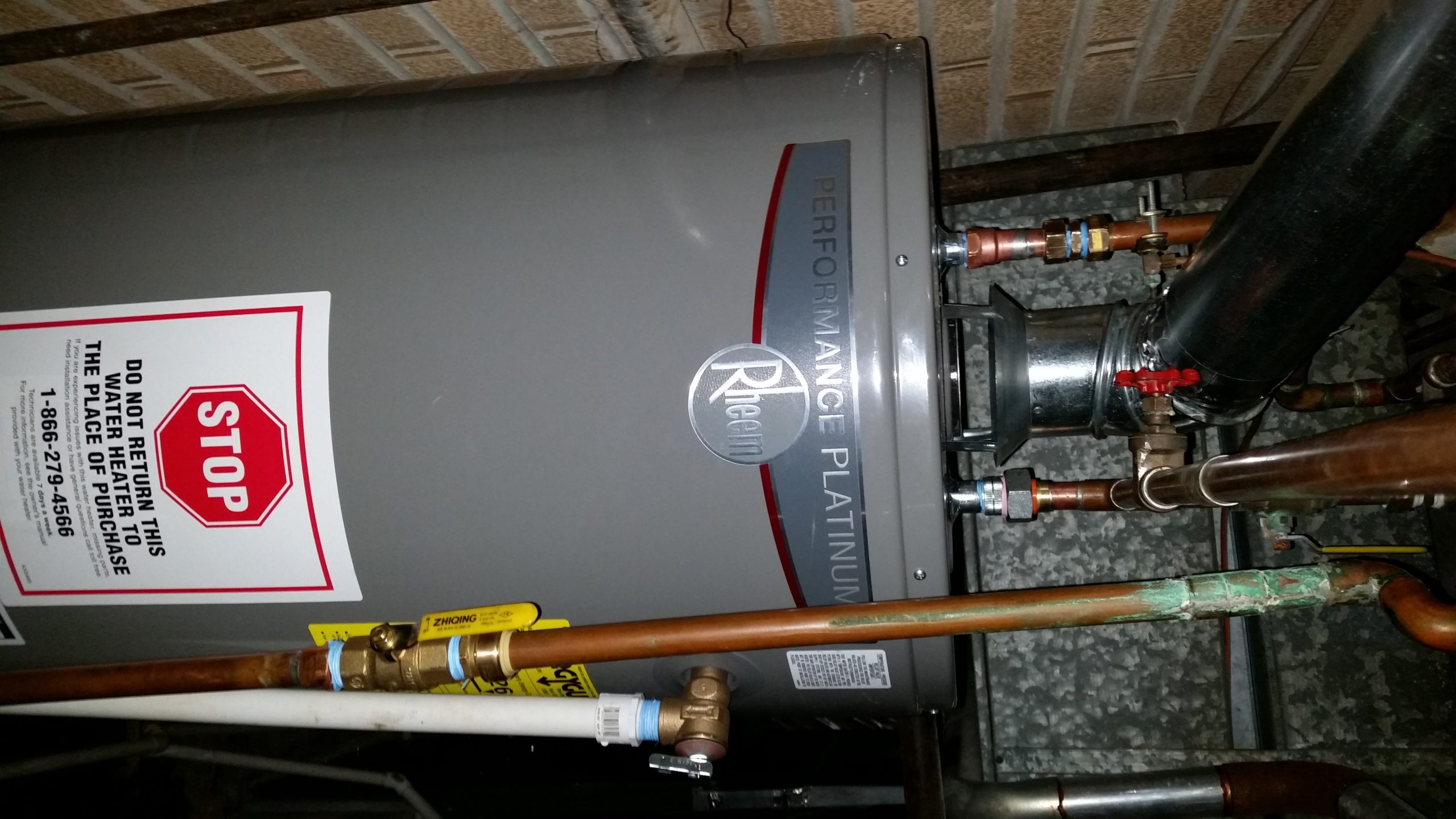
When selecting a water heater, it's essential to consider factors such as fuel type, capacity, and energy efficiency ratings. Electric, gas, and tankless water heaters each offer distinct advantages depending on your household's needs and usage patterns. Understanding these options will help you make an informed decision that best suits your home and lifestyle.
For instance, tankless water heaters provide hot water on demand, making them ideal for homes with limited space or those requiring continuous hot water. In contrast, traditional tank water heaters typically have lower upfront costs but may lead to higher energy bills over time. Evaluating your hot water usage and preferences can guide you in choosing the perfect water heater for your home.
Regular maintenance is crucial for extending the lifespan of your water heater and ensuring it operates efficiently. Simple tasks such as flushing the tank annually to remove sediment buildup and inspecting the anode rod can significantly impact your unit's performance and longevity. By following a maintenance schedule, you can avoid costly repairs and replacements down the line.
Additionally, checking the temperature setting on your water heater can prevent overheating and energy waste. The U.S. Department of Energy recommends keeping the thermostat at 120°F for optimal performance. Implementing these maintenance tips will not only enhance your water heater's efficiency but also contribute to your overall energy savings.
Knowing when to call a professional plumber can save you time, money, and potential damage to your home. Emergencies such as severe leaks, burst pipes, or overflowing toilets require immediate attention to prevent further complications. Understanding the signs of plumbing emergencies will help you act quickly and effectively when faced with a crisis.
For example, if you notice water pooling around your water heater or hear unusual noises coming from the unit, it may indicate a serious issue that needs prompt professional evaluation. RC Szabo Plumbing & Sewer is available 24/7 to handle such emergencies, ensuring that your plumbing problems are resolved efficiently and effectively.
Energy efficiency ratings are vital indicators of how much energy a water heater will consume during its operation. These ratings, often displayed as Energy Factor (EF), help homeowners compare different models and choose one that minimizes energy costs while maximizing performance. Understanding these ratings can lead to significant savings on utility bills.
For instance, water heaters with higher EF ratings typically use less energy to heat water, making them more cost-effective in the long run. Additionally, federal tax credits and local incentives may be available for homeowners who invest in energy-efficient models, further enhancing the financial benefits of choosing the right water heater.