Understanding common water heater problems can help homeowners troubleshoot issues before calling a professional. Some frequent issues include insufficient hot water, strange noises, and leaks. Recognizing these signs early can prevent further damage and costly repairs.
For instance, if your water heater is producing rumbling sounds, it may indicate sediment buildup at the bottom of the tank. Flushing the tank regularly can help maintain its efficiency. Additionally, if you notice water pooling around the base, it could be a sign of a leak that requires immediate attention to avoid water damage.
Improving the energy efficiency of your water heater can lead to significant savings on your utility bills. Simple adjustments, such as lowering the thermostat setting to 120°F, can reduce energy consumption without sacrificing comfort. Insulating your water heater and the first few feet of hot and cold water pipes can also enhance efficiency.
Furthermore, consider upgrading to a tankless water heater, which heats water on demand and can be more energy-efficient than traditional tank models. Regular maintenance, such as flushing the tank and checking for leaks, will also prolong the lifespan of your water heater and maintain its efficiency.
When scheduling a water heater installation, homeowners can expect a thorough assessment of their current system and needs. A professional plumber will evaluate factors such as household size, hot water demand, and available space to recommend the best unit for your home.
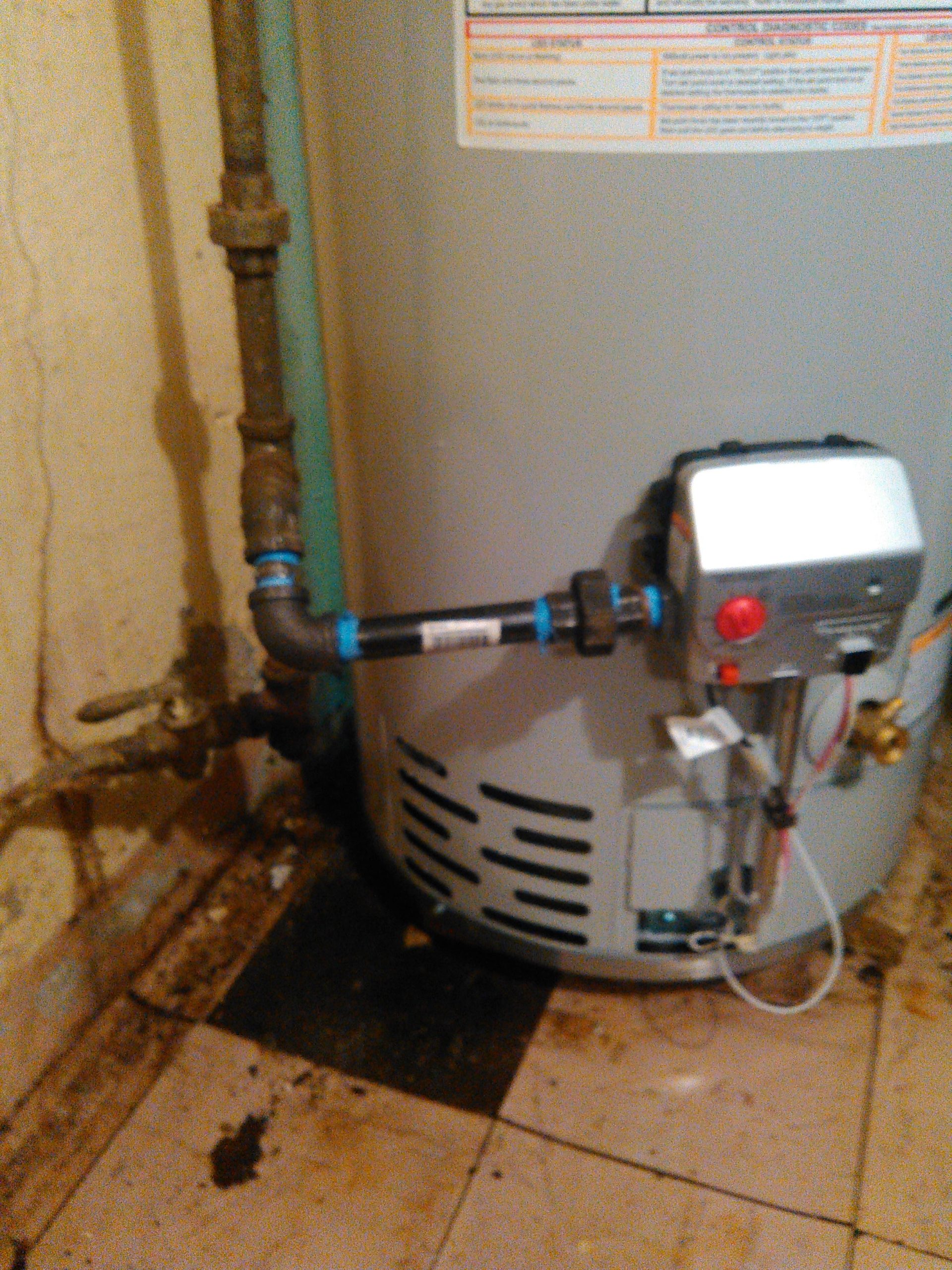
The installation process typically involves removing the old unit, installing the new water heater, and connecting it to existing plumbing and electrical systems. After installation, the plumber will test the system to ensure it operates correctly and provide instructions on how to maintain it for optimal performance.
Homeowners often have questions about water heaters, from installation costs to maintenance tips. One common inquiry is about the lifespan of a water heater, which typically ranges from 8 to 12 years, depending on the model and maintenance. Regular inspections can help identify potential issues before they become major problems.
Another frequently asked question concerns energy efficiency ratings, which can help homeowners choose the right model. Understanding the difference between traditional tank heaters and tankless options can also guide decisions based on hot water needs and energy savings.