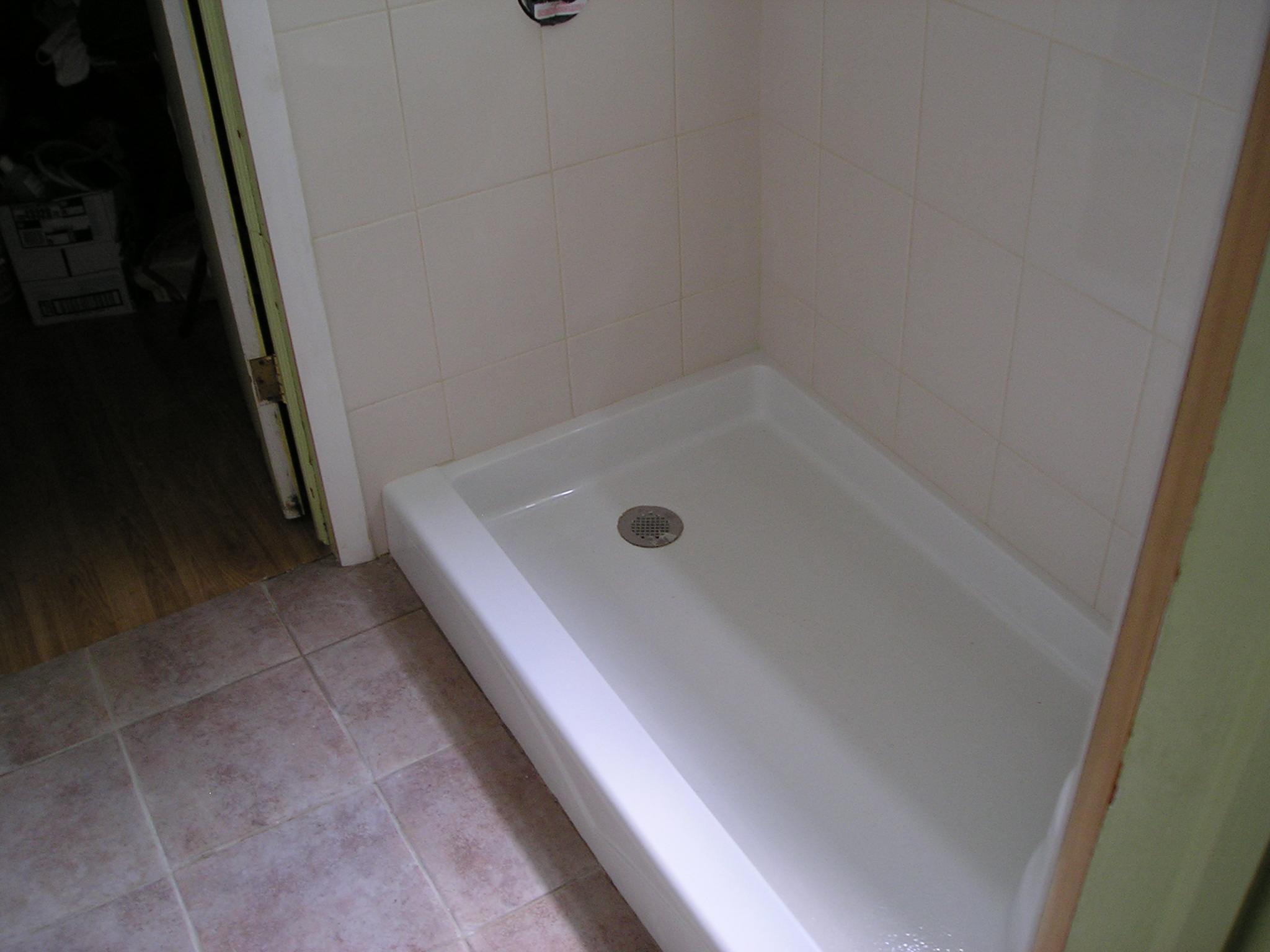
When considering a bathroom remodel, homeowners often have many questions regarding the process, costs, and timelines. Addressing these common inquiries can help alleviate concerns and provide clarity on what to expect during a renovation project.
For instance, many ask about the average cost of a bathroom remodel, which can vary significantly based on materials and design choices. Additionally, questions about the duration of the project, potential disruptions to daily life, and tips for choosing the right contractor are frequently raised, highlighting the importance of thorough research and planning.
Selecting the appropriate materials is crucial for both the aesthetics and functionality of your bathroom. Homeowners should consider factors such as durability, maintenance, and style when making their choices, as these elements will impact the long-term satisfaction with the remodel.
For example, opting for water-resistant materials like porcelain tiles for flooring can enhance longevity, while choosing high-quality fixtures can ensure better performance. It's also beneficial to consult with professionals to understand the latest trends and innovations in bathroom materials that can elevate the overall design.
Incorporating energy-efficient plumbing solutions during a bathroom remodel not only reduces utility bills but also contributes to environmental sustainability. Homeowners can explore various options, such as low-flow toilets and showerheads, which significantly decrease water usage without sacrificing performance.
Furthermore, upgrading to energy-efficient water heaters can lead to substantial savings over time. By choosing these eco-friendly alternatives, homeowners can enhance their home's efficiency while making a positive impact on the environment.
Regular plumbing inspections are essential for maintaining the health of your home's plumbing system. These evaluations can help identify potential issues before they escalate into costly repairs, ensuring your plumbing operates efficiently.
During an inspection, a licensed plumber can check for leaks, corrosion, and other signs of wear that may not be immediately visible. By investing in routine maintenance, homeowners can extend the lifespan of their plumbing systems and avoid unexpected emergency repairs.