Selecting the appropriate plumbing solutions for home additions is crucial to ensure functionality and efficiency. Homeowners should consider factors such as the layout of the new space, the existing plumbing infrastructure, and the specific needs of their family. Engaging with a professional plumber can help in assessing these requirements effectively.
For instance, if a family is adding a bathroom, the plumber may recommend specific pipe sizes and materials that can handle increased water flow. Additionally, they can suggest energy-efficient fixtures that not only comply with local codes but also save on utility costs in the long run.
Proper maintenance of plumbing systems in home additions is essential to prevent costly repairs and ensure longevity. Homeowners should regularly check for leaks, inspect water pressure, and ensure that all fixtures are functioning correctly. A proactive maintenance schedule can help identify potential issues before they escalate.
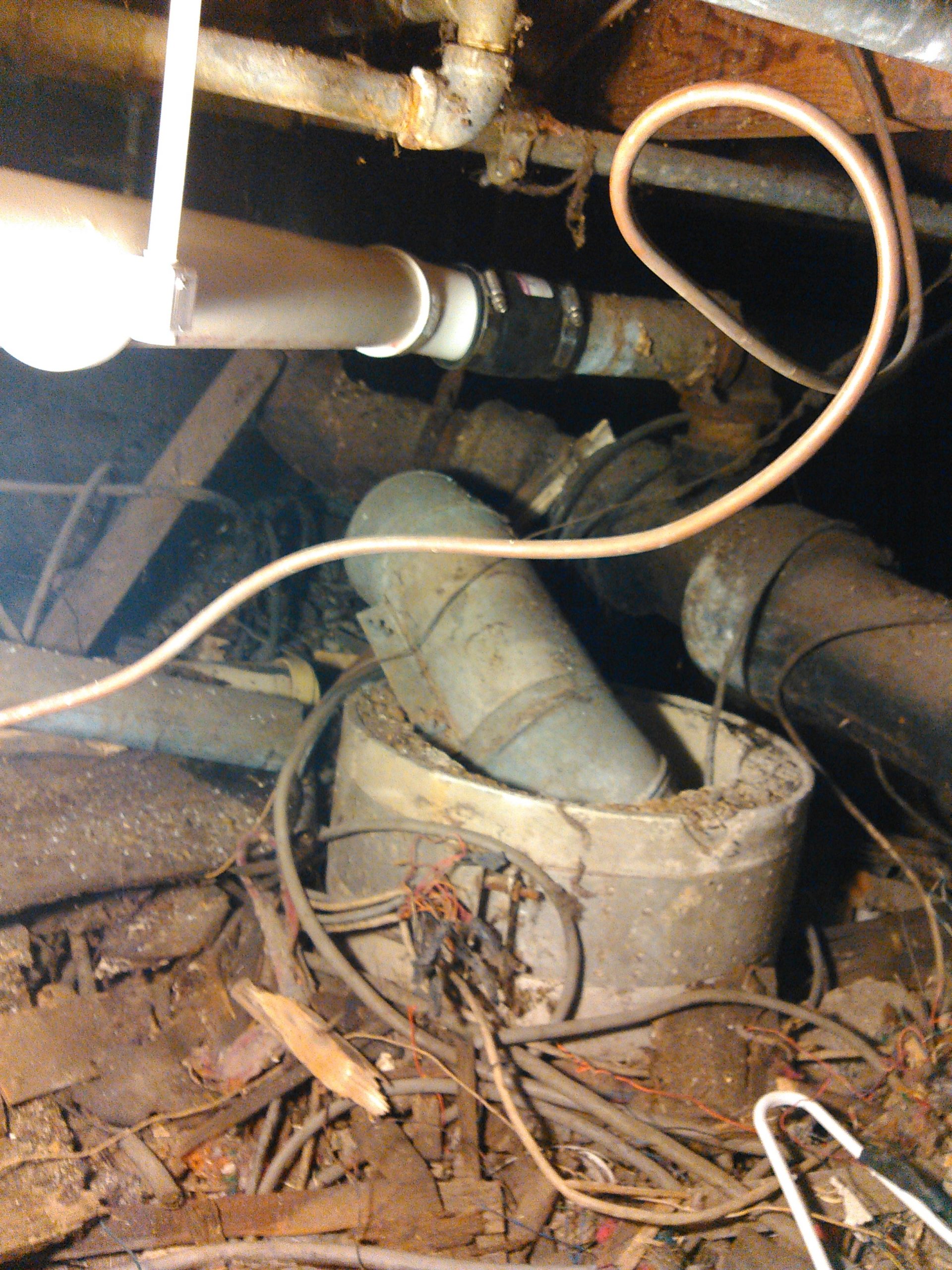
For example, scheduling annual inspections with a professional plumber can aid in identifying hidden leaks and ensuring that water heaters are operating efficiently. Additionally, homeowners should be aware of their plumbing system's age and condition, as older systems may require more frequent attention and upgrades.
When planning a home addition, understanding local plumbing codes and regulations is vital. Each municipality may have specific requirements that dictate how plumbing systems must be installed and maintained. Complying with these codes not only ensures safety but also avoids potential fines and delays in construction.
Homeowners should consult with their plumbing contractor to ensure all work meets local standards. This may involve obtaining permits and passing inspections, which can vary based on the complexity of the plumbing work involved in the addition.
As homeowners become more environmentally conscious, incorporating sustainable plumbing solutions in home additions is increasingly important. This includes using water-efficient fixtures, greywater recycling systems, and materials that reduce environmental impact.
For instance, installing low-flow toilets and faucets can significantly reduce water usage without sacrificing performance. Additionally, considering the installation of a rainwater harvesting system can provide an eco-friendly water source for irrigation and non-potable uses, further enhancing the sustainability of the home addition.