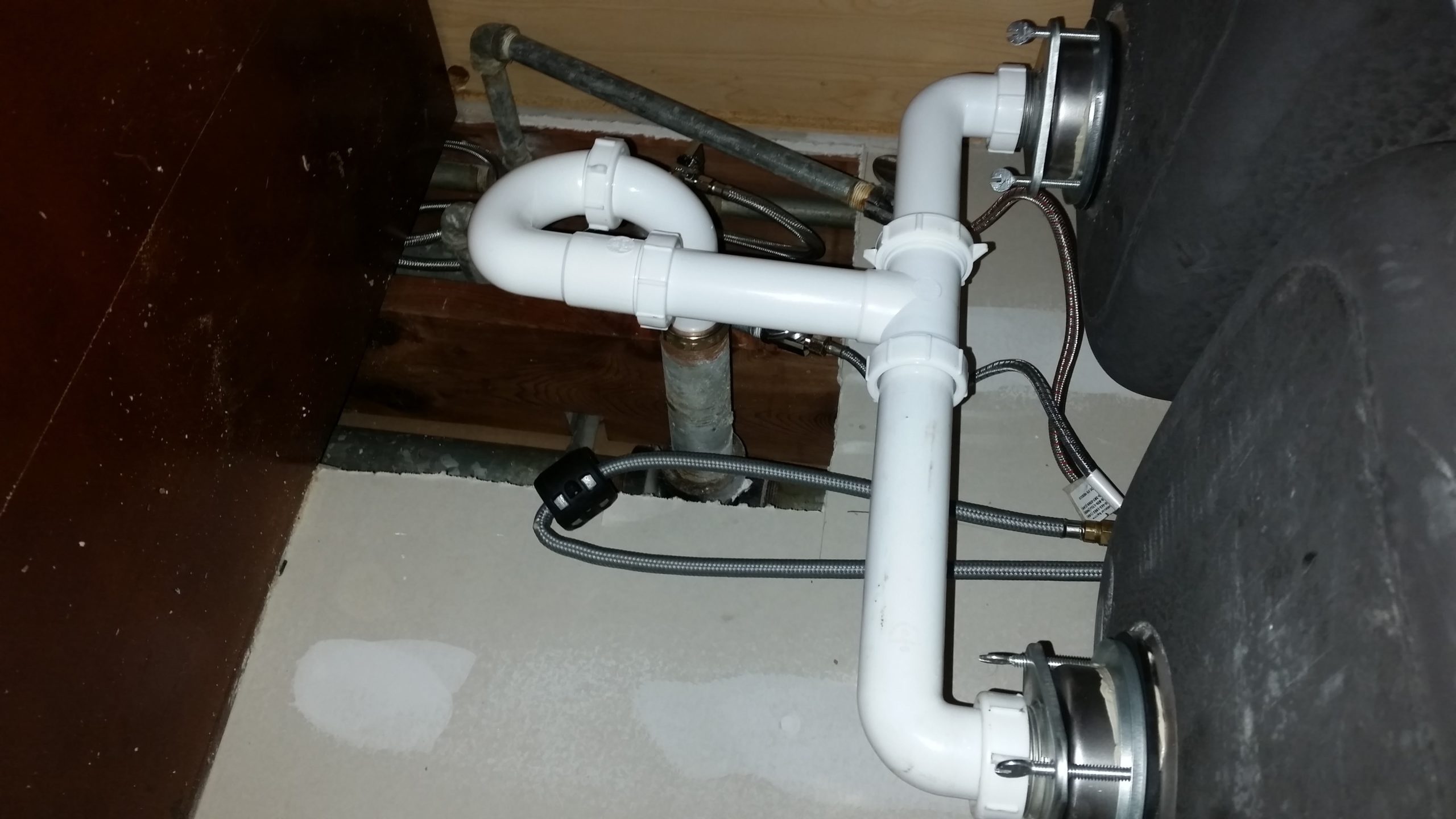
Kitchen plumbing can often encounter various issues, including clogged drains, leaky faucets, and malfunctioning garbage disposals. Understanding these common problems helps homeowners identify when to call for professional assistance. For instance, a clogged sink may indicate a buildup of food debris or grease, while a leaky faucet could suggest worn-out washers or O-rings.
Addressing these issues promptly can prevent more significant problems down the line. For example, regular maintenance, such as cleaning out the sink trap and ensuring that garbage disposals are used correctly, can help minimize the risk of clogs. Additionally, homeowners should be aware of signs like water stains or unusual noises, which may indicate a need for immediate plumbing intervention.
For those who enjoy tackling home improvement projects, there are several DIY plumbing tips that can save time and money. Simple tasks such as unclogging drains with a plunger, replacing faucet aerators, or even changing out showerheads can be easily managed with basic tools. These small projects not only enhance the functionality of kitchen plumbing but also empower homeowners to take control of their plumbing needs.
However, it’s essential to know when to call a professional. While minor repairs can be handled independently, complex issues like pipe replacements or significant leaks should be left to licensed plumbers to ensure safety and compliance with local codes. By balancing DIY efforts with professional help, homeowners can maintain a well-functioning plumbing system.
Selecting the right plumbing fixtures is crucial for both functionality and aesthetics in your kitchen. Options include various styles of faucets, sinks, and even water filtration systems, which can enhance the overall kitchen experience. For instance, pull-down faucets offer convenience and flexibility, while farmhouse sinks can provide a stylish touch to your kitchen decor.
When choosing fixtures, consider factors such as water efficiency, durability, and ease of installation. Look for products that are certified for efficiency, which can help reduce water consumption without sacrificing performance. Additionally, consulting with a plumbing professional can provide valuable insights into the best options for your specific kitchen layout and needs.
Regular plumbing inspections are vital for maintaining the health of your home’s plumbing system. These inspections can identify potential issues before they escalate into costly repairs. A professional plumber can assess the condition of pipes, fixtures, and appliances, ensuring everything is functioning correctly and efficiently.