

Understanding Flossmoor Plumbing Regulations and Permits
Plumbing codes are the rules that govern how water, waste, and gas piping are installed, repaired, and inspected in homes, and this guide explains those rules in plain language for Flossmoor homeowners. Understanding these regulations helps you avoid costly rework, protects your family’s water supply, and keeps projects moving smoothly through the Village of Flossmoor’s permitting and inspection process. This article covers the key regulations you should know, the permit application steps, common code violations and how to prevent them, and why hiring a licensed plumber matters for Flossmoor and nearby Orland Park properties. You will find clear definitions, practical checklists, and quick-reference tables designed to save time when planning a remodel, sump pump upgrade, or sewer repair. Read on for actionable guidance on how the Illinois Plumbing Code applies locally, what triggers a permit, how inspections work, and where licensed contractors fit into the compliance process.
What Are the Key Plumbing Regulations Homeowners Must Know in Flossmoor?
Plumbing regulations in Flossmoor adopt the statewide Illinois Plumbing Code as the baseline and add municipal enforcement steps to protect public health and property. These rules set minimum standards for installing water heaters, backflow prevention, sump pump discharge, and sewer connections so that plumbing systems drain safely, prevent contamination, and meet WaterSense efficiency expectations. The Village building department enforces permits, inspects work at key stages, and issues corrective orders when installations fail to meet code. Homeowners should treat permits and backflow controls as risk-management tools that prevent contamination and fines, and should verify compliance before finalizing any project.
The most important regulations to keep front of mind include permit thresholds, cross-connection control, sump pump discharge requirements, and WaterSense fixture standards. Understanding those rules makes it easier to plan work and talk productively with contractors and inspectors.
- Key homeowner regulations include:Permit required for most alterations to supply/drain systems.Backflow prevention devices mandated for cross-connection risks.Sump pump discharge must avoid surface drainage that impacts neighbors.WaterSense fixtures are encouraged or required for new installs.
These core points lead directly into which state code sections apply to typical residential work in Flossmoor.
Which Illinois Plumbing Code Sections Apply to Flossmoor Residences?
The Illinois Plumbing Code (77 Ill. Adm. Code 890) provides the statewide requirements Flossmoor relies on for material standards, fixture units, and backflow control. It defines acceptable pipe materials, minimum slope for drainage, sizing rules, and mandatory backflow prevention where contamination risk exists. For homeowners, the practical impact is that altering drain lines, replacing water heaters, or connecting to a sewer main must meet those specifications and often requires inspection. Knowing the relevant code sections helps you request code citations from the building department when reviewing inspection reports or contractor proposals.
Understanding these sections also makes it easier to spot noncompliant materials or improper slopes during a pre-inspection walkthrough with your contractor.
How Does Flossmoor Adopt and Enforce These Plumbing Codes?
Flossmoor adopts the Illinois Plumbing Code and implements local enforcement through the Village Building Department, which issues permits, schedules inspections, and enforces corrective orders when work fails inspection. Contractors typically submit permit applications and documentation via the village portal or an approved digital permit system, and inspections occur at rough-in and final stages to verify compliance. Enforcement can include stop-work orders, required rework to meet code, and re-inspection fees until the work complies.
This municipal workflow creates clear checkpoints during a project, and understanding the inspection rhythm helps homeowners avoid delays and unexpected remediation.
How Do You Obtain Plumbing Permits in Flossmoor?

Applying for a plumbing permit in Flossmoor follows a straightforward sequence: determine permit need, prepare plans and contractor information, submit the application, pay fees, and schedule inspections at required milestones. The process ensures projects meet code from start to finish and protects both homeowners and the public water supply. Permits typically require drawings or descriptions of the work, contractor registration or license details, and fees that vary by project scope; inspections validate the work once installed.
Below is a concise step-by-step checklist to use when starting a project.
- Confirm Permit Requirement: Check if the planned work alters supply, drainage, or connections that trigger a permit.
- Prepare Documents: Compile plans, fixture specs, and contractor registration or license information.
- Submit Application: File with the Village Building Department or digital portal with required documentation.
- Pay Fees: Pay the applicable permit fee based on the project type and valuation.
- Schedule Inspections: Book rough-in and final inspections; correct any deficiencies identified.
Intro to permit comparison table: use this table to compare common permit types, typical fee ranges, and the documents you’ll need to submit.
| Permit Type | Fee Range | Required Documents |
|---|---|---|
| Fixture Replacement Permit | Low ($) | Brief scope, fixture specs, contractor name |
| Water Heater / Appliance Permit | Moderate ($$) | Manufacturer specs, installation diagram, licensed installer |
| Sewer/Water Main Connection Permit | Higher ($$$) | Detailed plans, contractor license, IEPA or village approvals |
| New Plumbing Rough-In Permit | Variable | Full plans, load calculations, licensed contractor info |
This table summarizes permit differences so homeowners can anticipate cost and paperwork before applying.
RC Szabo Plumbing can assist with permit paperwork, drawings, and inspection scheduling for Flossmoor and nearby Orland Park projects. The company’s local expertise helps homeowners prepare correct documentation and reduce inspection delays by coordinating with the building department and attending inspections when needed.
What Are Common Plumbing Code Violations in Flossmoor and How Can You Avoid Them?
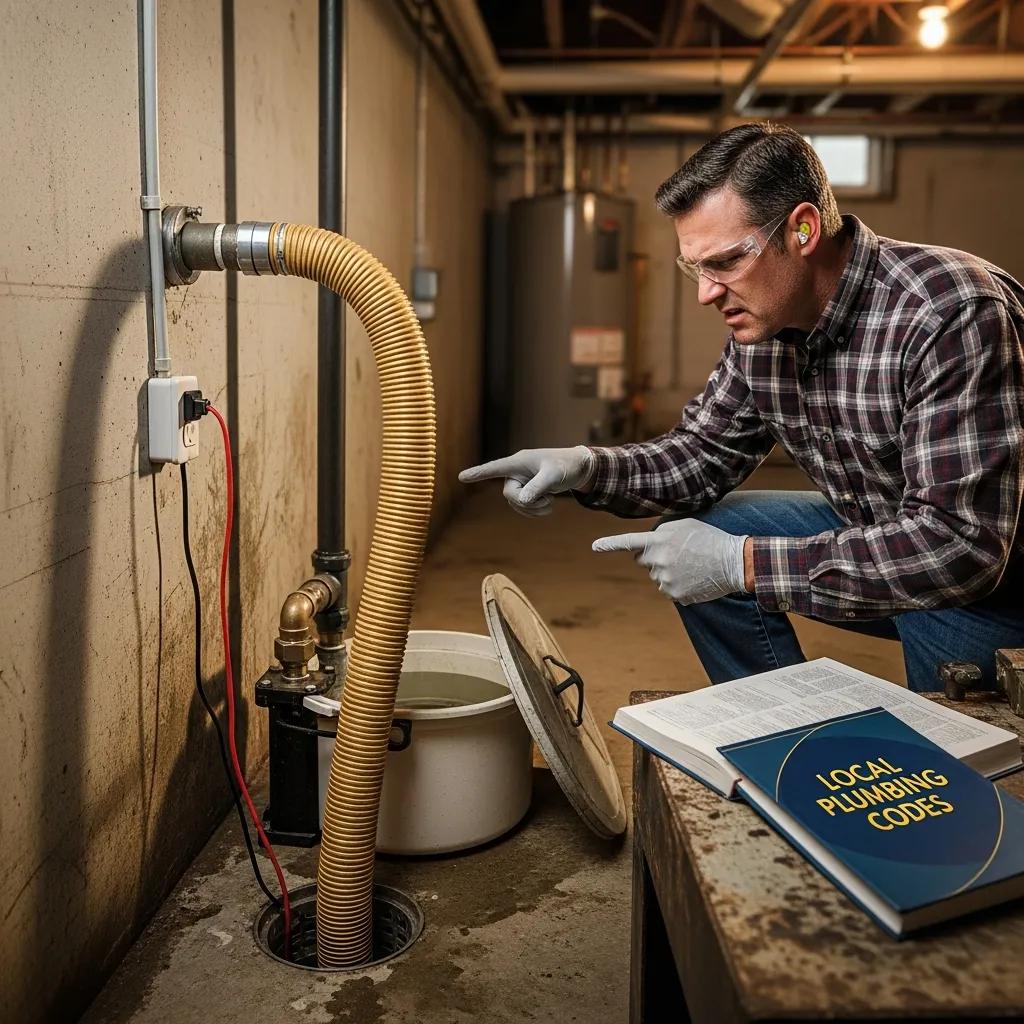
Common violations in Flossmoor include improper sewer or water connections, missing or incorrectly installed backflow devices, and sump pump discharge that violates surface drainage rules. These issues arise from using incorrect materials, failing to maintain required slopes, or not obtaining permits for significant work. Avoiding violations starts with planning: confirm materials and slopes in your plans, request backflow device specifications, and schedule the required inspections so work gets verified as it progresses.
Homeowners should also perform routine checks and preventive maintenance to reduce the chance of code-related failures and water damage.
- Improper sewer tie-ins: ensure correct connection materials and slopes are used.
- Missing backflow preventer: install and test approved devices where cross-connections exist.
- Sump pump discharge violations: route discharge per village rules to prevent nuisance or property impact.
Intro to violations table: use the table below to identify common violations and the corrective actions that resolve them quickly.
| Component | Violation Type | Prevention / Corrective Action |
|---|---|---|
| Sewer Connection | Illegal tie-in or wrong slope | Re-pipe to code slope; use approved materials |
| Backflow Control | Missing or wrong device | Install certified backflow preventer and schedule testing |
| Sump Pump Discharge | Surface drainage or improper outlet | Reroute discharge per village rules; add proper piping |
This quick-reference helps prioritize fixes before an inspector issues a correction request.
Which Issues Frequently Cause Sewer and Water Connection Violations?
Sewer and water connection violations often stem from incorrect pipe materials, improper gradients that impede drainage, and unauthorized ties into mains or storm lines. Inspectors look for correct trap seals, venting, and slope to ensure waste moves away efficiently and sanitary conditions are maintained. A practical homeowner step is to request material specs and slope confirmations from contractors and to attend rough-in inspections so any noncompliance can be corrected before walls are closed.
Spotting issues early shortens remediation time and reduces rework costs by addressing problems at visible stages.
How Does Cross-Connection Control Protect Your Home’s Water Supply?
Cross-connection control prevents contaminants from entering the potable water system when pressure changes cause backflow, and the code requires backflow prevention devices where hazards exist. Devices such as double-check valves or reduced-pressure zone assemblies stop contaminated water from reversing into service lines, and regular testing ensures they function correctly.
Homeowners should identify at-risk connections—like irrigation systems or utility equipment—and ensure certified devices are installed and tested per village schedules. Ensuring backflow prevention protects both household health and municipal supply integrity while meeting the regulatory expectations that prevent costly enforcement actions.
Why Is Hiring a Licensed Plumber Important for Flossmoor and Orland Park Residents?
Hiring a licensed plumber reduces the risk of inspection failures, liability exposure, and warranty gaps because licensed professionals understand code requirements, permit workflows, and inspection expectations. Licensed plumbers carry the credentials and procedural knowledge to size drainage, specify backflow devices, and document installations for building department review. That expertise shortens project timelines and improves the odds of first-pass approval at inspection checkpoints.
For homeowners, the advantages include minimized rework, documented compliance for resale, and professional coordination with municipal inspectors.
What Are the Licensing and Registration Requirements for Plumbers in Flossmoor?
Plumbers working in Flossmoor must meet state licensing standards and register with local authorities as required by the Village, providing proof of qualification and insurance where applicable. Homeowners should ask to see licensing and registration documentation, and verify that a contractor will pull the required permits and attend inspections. Requesting this documentation upfront reduces the chance of unlicensed work that can lead to fines or failed inspections.
Verifying credentials is a straightforward way to ensure accountability and quality workmanship.
How Does RC Szabo Plumbing Ensure Compliance with Local Codes?
RC Szabo Plumbing positions itself to help homeowners navigate local code requirements by offering permit assistance, coordinating inspections, and deploying licensed technicians for residential and commercial work.
As a family-owned, locally focused contractor providing comprehensive plumbing services—such as water heater installation, sump pump services, drain cleaning, sewer line work, and 24/7 emergency plumbing—the company emphasizes transparent pricing and a “No Mess Guarantee” to support smooth code-compliant projects. Homeowners in Flossmoor and Orland Park can request help with permit paperwork and inspection scheduling to reduce delays and ensure installations meet local and state standards; contact RC Szabo Plumbing by phone for project-specific assistance at the number listed in their business information.
This operational approach ensures projects follow code from permit through final inspection, minimizing compliance risk and inspection rework.
Frequently Asked Questions
What should I do if my plumbing project doesn't meet code requirements?
If your plumbing project fails to meet code requirements, the first step is to address the issues identified by the inspector. This may involve reworking certain installations or correcting materials used. It’s crucial to communicate with your licensed plumber to understand the specific violations and the necessary corrective actions. Additionally, you may need to schedule a re-inspection to ensure compliance before the project can be finalized. Keeping thorough documentation of all changes made can also help in future inspections.
How often should I have my plumbing inspected?
Regular plumbing inspections are recommended at least once every few years, especially for older homes or after significant renovations. Inspections can help identify potential issues such as leaks, corrosion, or code violations before they become serious problems. Additionally, if you notice any changes in water pressure, unusual noises, or signs of water damage, it’s wise to schedule an inspection promptly. Routine checks can save homeowners from costly repairs and ensure compliance with local plumbing codes.
What are the consequences of not obtaining a plumbing permit?
Failing to obtain a plumbing permit can lead to several consequences, including fines, mandatory rework, and potential legal issues. If your work is discovered to be unpermitted, you may be required to dismantle and redo the work to meet code standards, which can be costly and time-consuming. Additionally, unpermitted work can complicate future property sales, as buyers may be wary of potential code violations. Always check with the local building department to ensure compliance before starting any plumbing project.
Can I perform plumbing work myself in Flossmoor?
While homeowners in Flossmoor can perform some minor plumbing tasks, significant work typically requires a licensed plumber to ensure compliance with local codes and regulations. DIY plumbing can lead to code violations, safety hazards, and costly repairs if not done correctly. If you choose to undertake any plumbing work, be sure to check the specific permit requirements and regulations that apply to your project. For complex installations or repairs, hiring a licensed professional is highly recommended.
What types of plumbing fixtures require a permit in Flossmoor?
In Flossmoor, most alterations to plumbing systems require a permit, particularly for significant installations such as water heaters, sump pumps, and sewer connections. Additionally, any new plumbing rough-ins or fixture replacements may also necessitate a permit. It’s essential to verify the specific requirements with the Village Building Department before starting any project to avoid potential fines and ensure compliance with local plumbing codes.
How can I ensure my plumbing contractor is qualified?
To ensure your plumbing contractor is qualified, always request to see their licensing and registration documentation. Verify that they are licensed to work in Flossmoor and have the necessary insurance coverage. Additionally, check for reviews or references from previous clients to gauge their reliability and quality of work. A reputable contractor should also be willing to discuss their experience with local codes and regulations, which is crucial for ensuring compliance during your project.
What are the benefits of using WaterSense fixtures?
Using WaterSense fixtures offers several benefits, including water conservation, cost savings on utility bills, and compliance with local plumbing codes. These fixtures are designed to use at least 20% less water than standard models without sacrificing performance. By installing WaterSense-certified products, homeowners can contribute to environmental sustainability while enjoying efficient plumbing solutions. Additionally, some municipalities may offer rebates or incentives for using these water-efficient fixtures, further enhancing their appeal.
Conclusion
Understanding plumbing codes in Flossmoor is essential for homeowners to ensure compliance, avoid costly mistakes, and protect their property. By familiarizing yourself with local regulations, permit requirements, and the importance of hiring licensed professionals, you can navigate your plumbing projects with confidence. Take the next step towards a successful plumbing experience by consulting with experts who can guide you through the process. Explore our services today to ensure your plumbing work meets all necessary codes and standards.