Understanding the Importance of Regular Plumbing Inspections
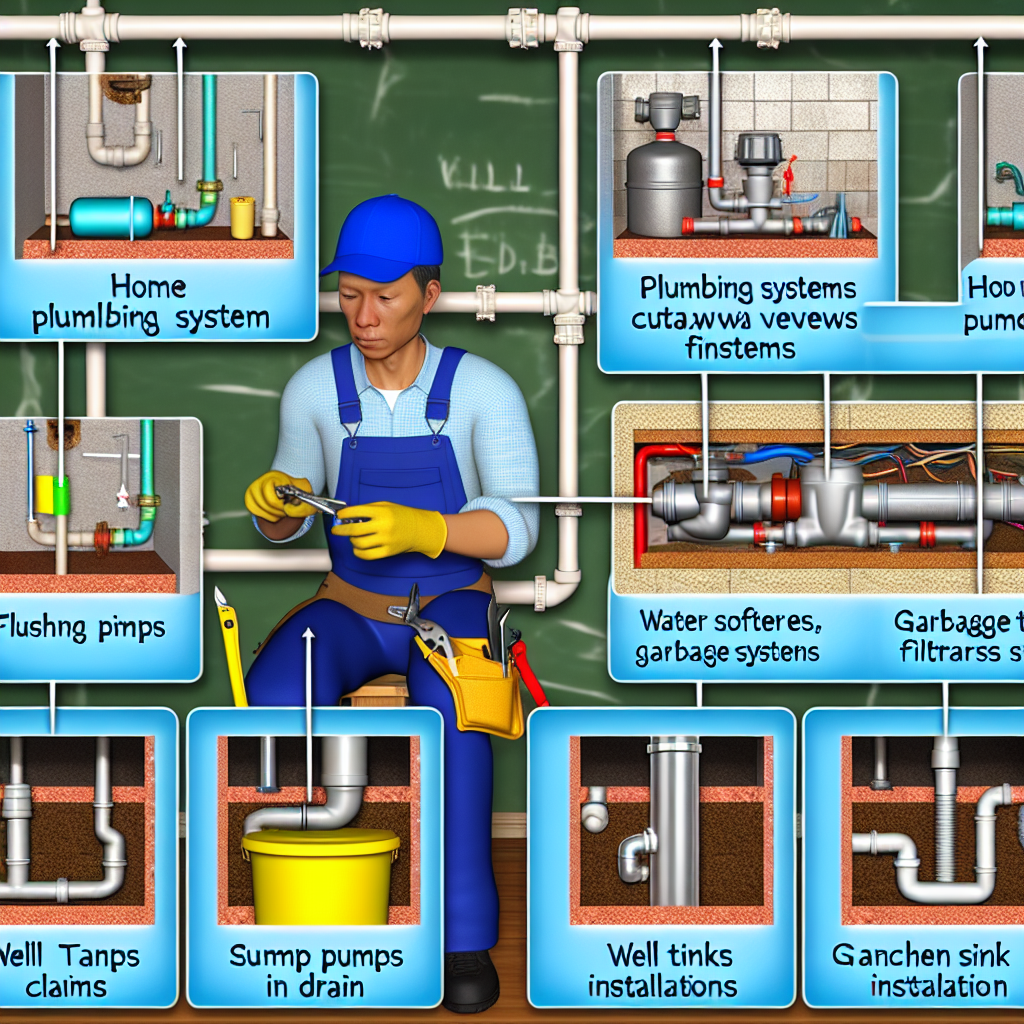
Regular plumbing inspections are crucial for maintaining the health of your home's plumbing system. These inspections help identify potential issues before they escalate into costly repairs, ensuring that your plumbing operates efficiently and effectively.
During an inspection, a licensed plumber will check for leaks, corrosion, and blockages in pipes, as well as evaluate the condition of fixtures and appliances. For instance, a small leak detected early can prevent water damage and mold growth, saving homeowners significant expenses in the long run.
Top Plumbing Tips for Homeowners
Homeowners can benefit greatly from understanding basic plumbing tips that can prevent issues and extend the life of their plumbing systems. Simple practices, such as knowing what can and cannot be flushed down toilets, can help avoid clogs and backups.
Additionally, homeowners should regularly check for leaks under sinks and around toilets, and ensure that their water pressure is at a safe level. For example, maintaining water pressure between 40-60 psi can help prevent pipe bursts and prolong the lifespan of plumbing fixtures.
Emergency Plumbing Situations: What to Do
Knowing how to handle emergency plumbing situations can save homeowners from further damage and costly repairs. In the event of a burst pipe or severe leak, the first step is to turn off the main water supply to prevent flooding.
After shutting off the water, it's important to contact a professional plumber immediately. Documenting the damage and taking photos can also be beneficial for insurance claims. For example, if a pipe bursts during winter, quick action can minimize water damage and restore normalcy faster.
Energy-Efficient Plumbing Solutions for Your Home
Investing in energy-efficient plumbing solutions can significantly reduce utility bills while also benefiting the environment. Options such as low-flow fixtures and tankless water heaters help conserve water and energy without sacrificing performance.
For instance, installing low-flow showerheads can reduce water usage by up to 50%, while tankless water heaters provide hot water on demand, eliminating the energy waste associated with traditional storage water heaters. These upgrades not only save money but also enhance the overall efficiency of your plumbing system.