Understanding Water Pressure and Its Importance
Water pressure is a critical factor in the functionality of plumbing systems within homes. It affects everything from the flow of water in taps and showers to the efficiency of appliances that rely on water supply. Maintaining optimal water pressure ensures that homeowners can enjoy consistent water delivery for daily activities.
Low water pressure can lead to frustrating experiences, such as weak showers or slow-filling bathtubs. It can also indicate underlying plumbing issues that require immediate attention. Regular monitoring and maintenance of water pressure can help prevent these inconveniences and extend the lifespan of plumbing fixtures and appliances.
Common Causes of Low Water Pressure in Homes
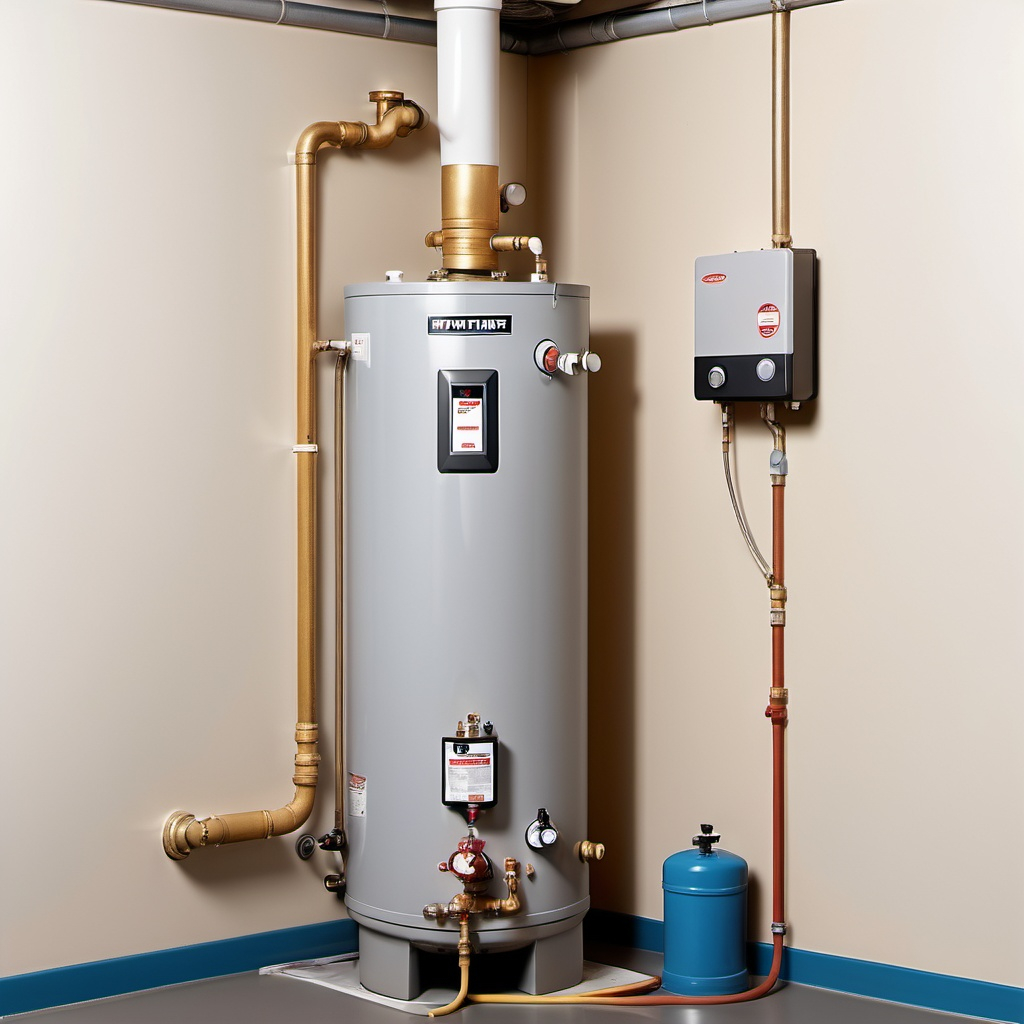
Several factors can contribute to low water pressure, including pipe obstructions, leaks, and faulty fixtures. Sediment buildup in water heaters and clogged pipes are among the most common culprits, often leading to decreased water flow throughout the home. Identifying these issues early can save homeowners from costly repairs and ensure a steady water supply.
Additionally, changes in municipal water supply or the installation of new appliances can also affect water pressure. Homeowners should be aware of these potential changes and regularly inspect their plumbing systems to mitigate low water pressure problems.
DIY Solutions for Water Heater Issues
Homeowners can often address minor water heater issues themselves, helping to restore water pressure without the need for professional intervention. Simple tasks, such as flushing the water heater to remove sediment buildup or checking for leaks around fittings, can significantly improve performance. Understanding these DIY solutions can empower homeowners to maintain their systems effectively.
However, it is essential to know when to call in a professional. If DIY solutions do not resolve the issue, or if the problem appears to be more complex, such as a malfunctioning thermostat or heating element, seeking expert assistance is crucial for ensuring safety and proper resolution.
When to Seek Professional Plumbing Assistance
While some plumbing issues can be managed by homeowners, others require the expertise of a professional plumber. Signs that indicate the need for professional help include persistent low water pressure, unusual noises from the water heater, or water discoloration. Ignoring these signs can lead to more significant problems down the line.
Engaging a qualified plumber can provide homeowners with peace of mind, as they can diagnose problems accurately and recommend effective solutions. Regular maintenance checks by professionals can also help prevent future issues, ensuring that plumbing systems function optimally.