 Skip to content


Orland Park Sump Pump Plumbing Codes: What Every Homeowner Needs to Know
Plumbing codes can feel overwhelming, especially when you’re trying to protect your home from water damage. Knowing the local rules for sump pumps helps you avoid fines, prevent flooding, and keep your property safe. This guide breaks down the key sump pump regulations in Orland Park, Illinois—what they require, why they matter, and how to make sure your system is installed and maintained correctly. Read on for clear, practical guidance so you can stay compliant and choose the right service when you need help.
Which Orland Park Sump Pump Codes Should Homeowners Pay Attention To?
Orland Park’s sump pump codes cover installation, discharge, and ongoing maintenance. Following these rules reduces the risk of basement flooding, property damage, and neighborhood drainage problems. Staying compliant not only protects your house but also keeps your yard and surrounding properties safe.
Which Village Code Sections Govern Sump Pump Installation and Maintenance?
The village has specific code sections that address how sump pumps must be installed and maintained. Those rules often require work to be done by a licensed plumber and set expectations for placement, routine upkeep, and inspections. Make sure your sump pump system meets these local standards to avoid penalties and ensure reliable operation.
How Do Orland Park Codes Define Sump Pump Discharge and Pit Requirements?
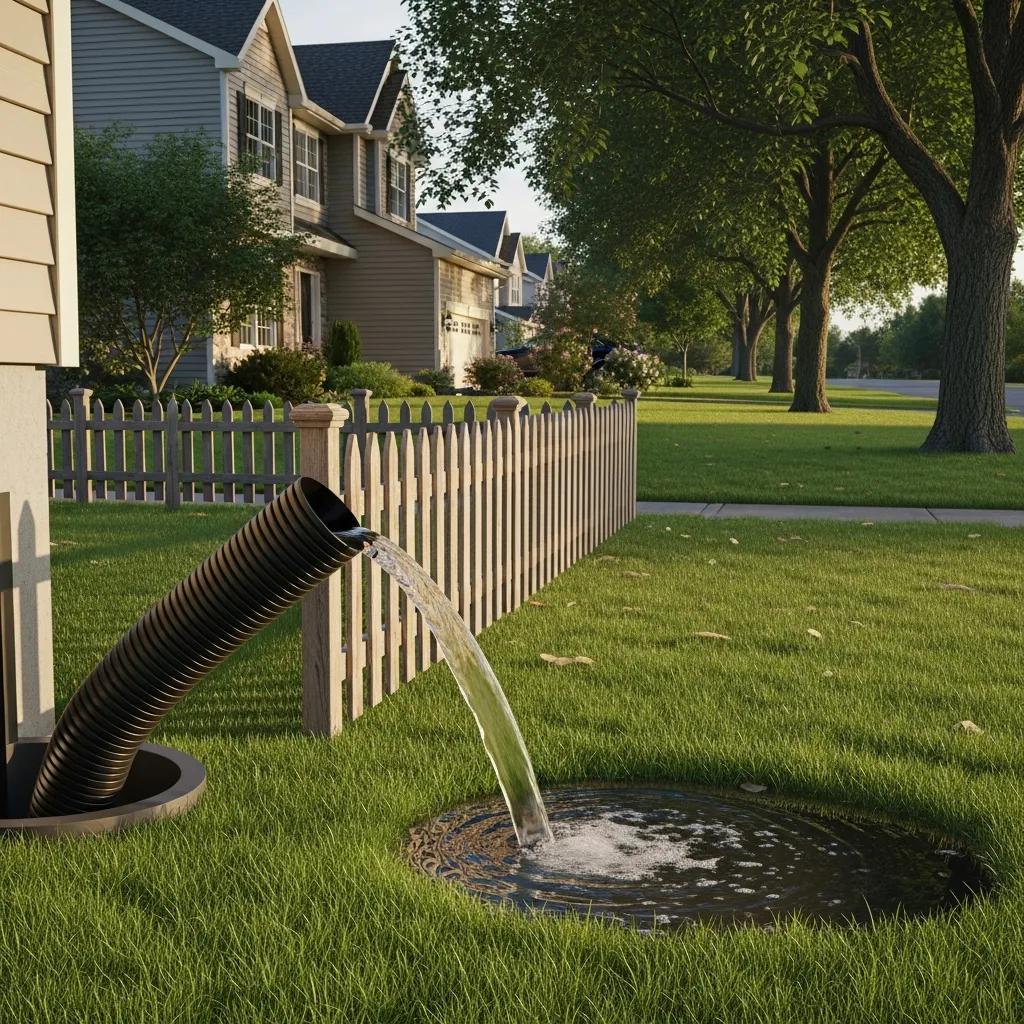
Orland Park spells out where sump pumps can discharge and how sump pits should be built. Discharge lines must be routed so water won’t run toward foundations or onto neighboring properties. The codes also set minimum dimensions for pits so they can handle expected water volumes. Following these specifications helps prevent nuisance flooding and protects nearby yards and storm systems.
How Do Orland Park Sump Pump Discharge Rules Protect Your Property and the Environment?
Discharge rules are designed to limit damage to homes and the local environment. They prevent water from creating erosion, pooling, or overloading sewer systems—so your sump pump does its job without creating new problems.
What Is the 10-Foot Property Line Discharge Rule and Why It Matters
One key rule is the 10-foot property line requirement: sump pump discharge should end at least 10 feet from neighboring property lines. That buffer prevents runoff from flowing onto a neighbor’s yard and reduces the chance of disputes or damage claims. It’s a simple rule that keeps relationships and properties protected.
Why Can You Discharge to Storm Sewers but Not Sanitary Sewers?
Orland Park allows sump pumps to drain to storm sewers but prohibits discharge to sanitary sewers. Storm systems are built for surface and groundwater; sanitary sewers carry wastewater to treatment plants. Putting sump water into sanitary lines can overload the system during heavy rain, causing backups and environmental issues. Following this rule keeps the sewer system functioning properly.
When and How Should Homeowners Get Plumbing Permits for Sump Pumps in Orland Park?
Pulling the correct permits ensures your sump pump install meets local standards and that inspections can verify compliance. It’s an important step before starting work, whether you do the project yourself or hire a pro.
Who Can Apply for a Sump Pump Permit: Homeowner or Licensed Plumber?
Both homeowners and licensed plumbers may apply for sump pump permits in Orland Park. That said, many homeowners prefer to have a licensed plumber handle the application and installation to make sure paperwork and work meet code requirements.
What Is the Step-by-Step Permit Process and What Fees Apply?
- Complete the Application: Fill out the village’s permit form for sump pump work.
- Submit Required Documents: Provide plans or diagrams of the installation and any documentation the village requests to show code compliance.
- Pay the Fees: Permit costs vary depending on the scope of the job—confirm fees with the village or your plumber.
- Schedule Inspections: After installation, an inspection may be required to confirm the work meets local codes.
Knowing these steps ahead of time speeds the process and helps avoid delays.
What Are the Required Sump Pit Design and Installation Standards in Orland Park?
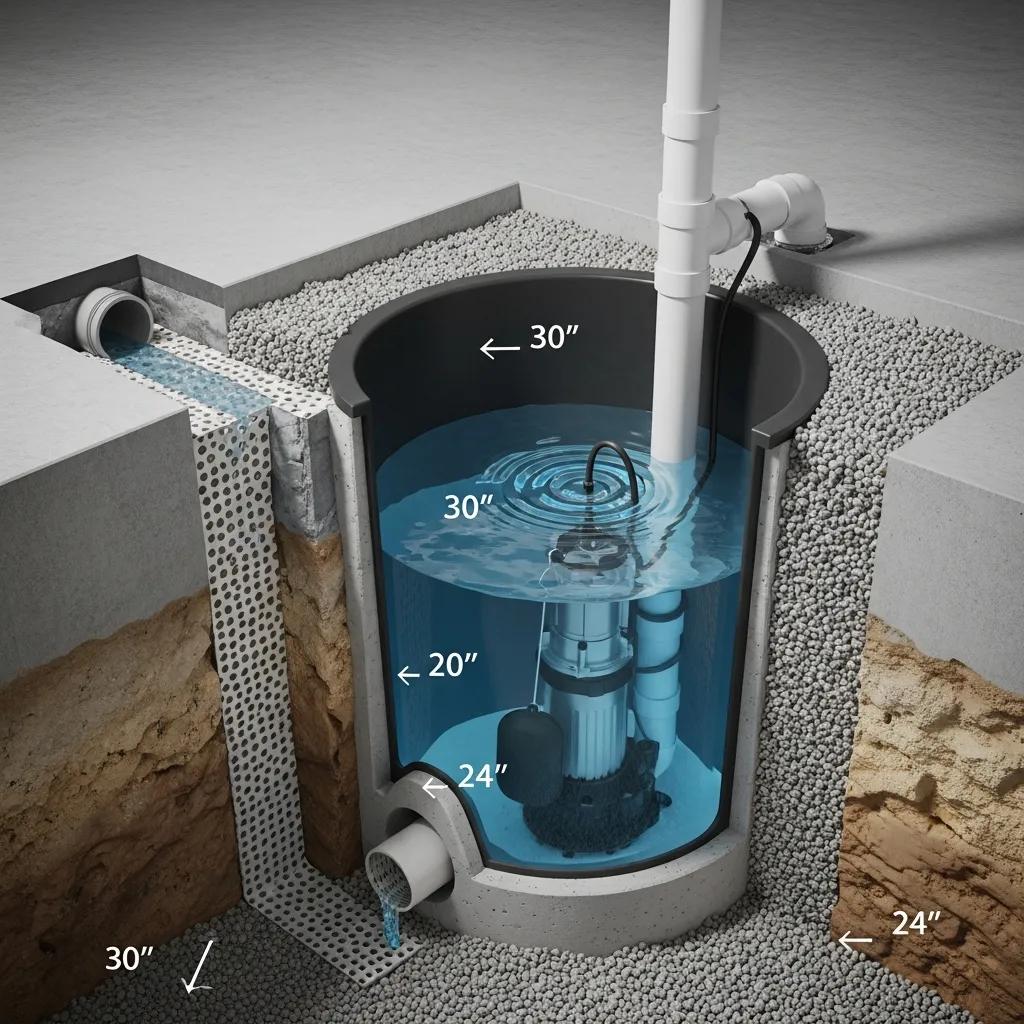
Proper pit design and installation are essential for a sump pump to work reliably. The local standards set minimum sizes and call for materials and installations that prevent failures and backflow.
What Are the Minimum Depth and Diameter Specifications for Sump Pits?
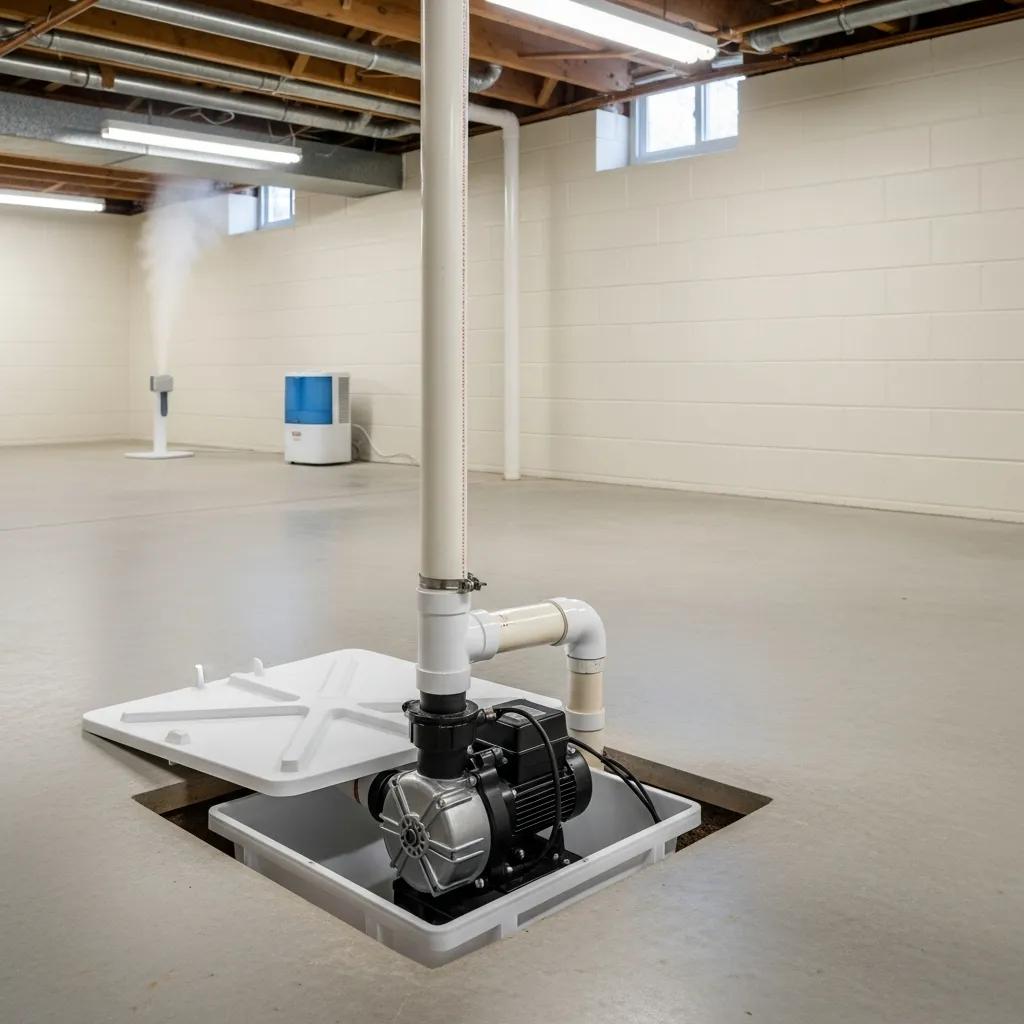
Orland Park’s guidelines typically call for a minimum pit depth of 24 inches and a diameter of at least 18 inches. These dimensions help ensure the pit can collect and hold water long enough for the pump to remove it during heavy inflow.
Which Materials and Valve Installations Are Code-Compliant?
Codes require approved materials for pits and discharge piping to ensure long-term durability. Installations should include proper valves—such as check valves—to stop backflow and route water safely away from the foundation. Using the right parts and methods reduces the chance of costly repairs down the road.
How Does Orland Park Code Enforcement Handle Drainage and Sump Pump Violations?
The village enforces drainage rules to prevent problems that affect neighbors and public property. Understanding enforcement procedures helps homeowners correct issues quickly and avoid penalties.
What Counts as an Adverse Drainage Impact Under Local Rules?
An adverse drainage impact is any situation where water from a property causes flooding, erosion, or standing water on neighboring properties or public infrastructure. If your sump pump setup sends water where it shouldn’t, it can be classified as an adverse impact.
How Are Violations Found and What Penalties Can Apply?
Violations are usually discovered through inspections or complaints from neighbors. Penalties for non-compliance can include fines, required corrective work, and in severe cases, legal action. Addressing issues promptly is the best way to limit costs and complications.
Why Choose RC Szabo Plumbing for Code-Compliant Sump Pump Work in Orland Park?
When you need sump pump installation, repairs, or maintenance, working with a local, licensed plumbing company makes compliance easier and reduces risk. RC Szabo Plumbing understands Orland Park’s rules and how to meet them efficiently.
How Does RC Szabo Ensure Full Compliance with Orland Park Plumbing Codes?
RC Szabo’s plumbers follow local code requirements on every job—proper permits, approved materials, correct discharge routing, and required inspections. That attention to detail gives homeowners confidence their system is installed right and will perform when needed.
What Emergency and Maintenance Services Does RC Szabo Offer for Sump Pumps?
In addition to installations, RC Szabo provides emergency response and routine maintenance for sump pumps. Their team is available to troubleshoot failures, perform seasonal checks, and recommend backup solutions so your basement stays dry year-round.
Frequently Asked Questions
What are the common signs that indicate a sump pump needs maintenance?
Watch for loud or unusual noises, the pump cycling on and off frequently, visible rust or corrosion, or water remaining in the pit after heavy rain. If the pump doesn’t start when you expect, that’s a clear sign to have it inspected. Regular checks catch problems early and extend the pump’s life.
How often should sump pumps be tested and maintained?
Test your sump pump every three months by running it and confirming it discharges properly. Perform a full maintenance check at least once a year—clean the pit, inspect the discharge line, and test the float switch. Routine care reduces surprises during storms.
What should homeowners do if their sump pump fails during a storm?
First, prioritize safety and avoid contact with electrical equipment in standing water. If safe, remove excess water with a bucket or wet/dry vacuum and call a licensed plumber right away. Consider installing a battery backup or secondary pump to protect against future failures.
Are there any energy-efficient sump pump options available?
Yes. Look for pumps with high-efficiency motors or variable-speed options that use less electricity while delivering reliable performance. Some models include smart monitoring so you can check pump status remotely—helpful for both convenience and energy savings.
What are the potential consequences of not complying with sump pump regulations?
Non-compliance can lead to fines, required corrective work, and disputes with neighbors if runoff causes damage. Improper installation or maintenance also raises the risk of basement flooding and costly repairs. Following code requirements protects your home and your wallet.
Can homeowners install sump pumps themselves, or is it better to hire a professional?
While handy homeowners may install a sump pump, hiring a licensed plumber is usually the safer choice. Professionals know local codes, can pull permits, and ensure the system is sized and routed correctly—reducing the chance of problems and ensuring compliance.
Conclusion
Following Orland Park’s sump pump codes keeps your home dry, protects neighbors, and avoids fines. If you’re unsure about permits, discharge routing, or pit specifications, reach out to a licensed plumber. RC Szabo Plumbing can help inspect your system, handle installations to code, and provide reliable emergency service when you need it.
